
Los Angeles Garage Door Guide
When a Spring Goes in a Cold Spell Here in Los Angeles
Why a torsion spring can snap during a rare cold spell in Los Angeles, what the 1960s-era housing stock here means for your hardware, and what to check first.
- Licensed & Insured
- Same-Area Service Calls
- Upfront Pricing
What to Check
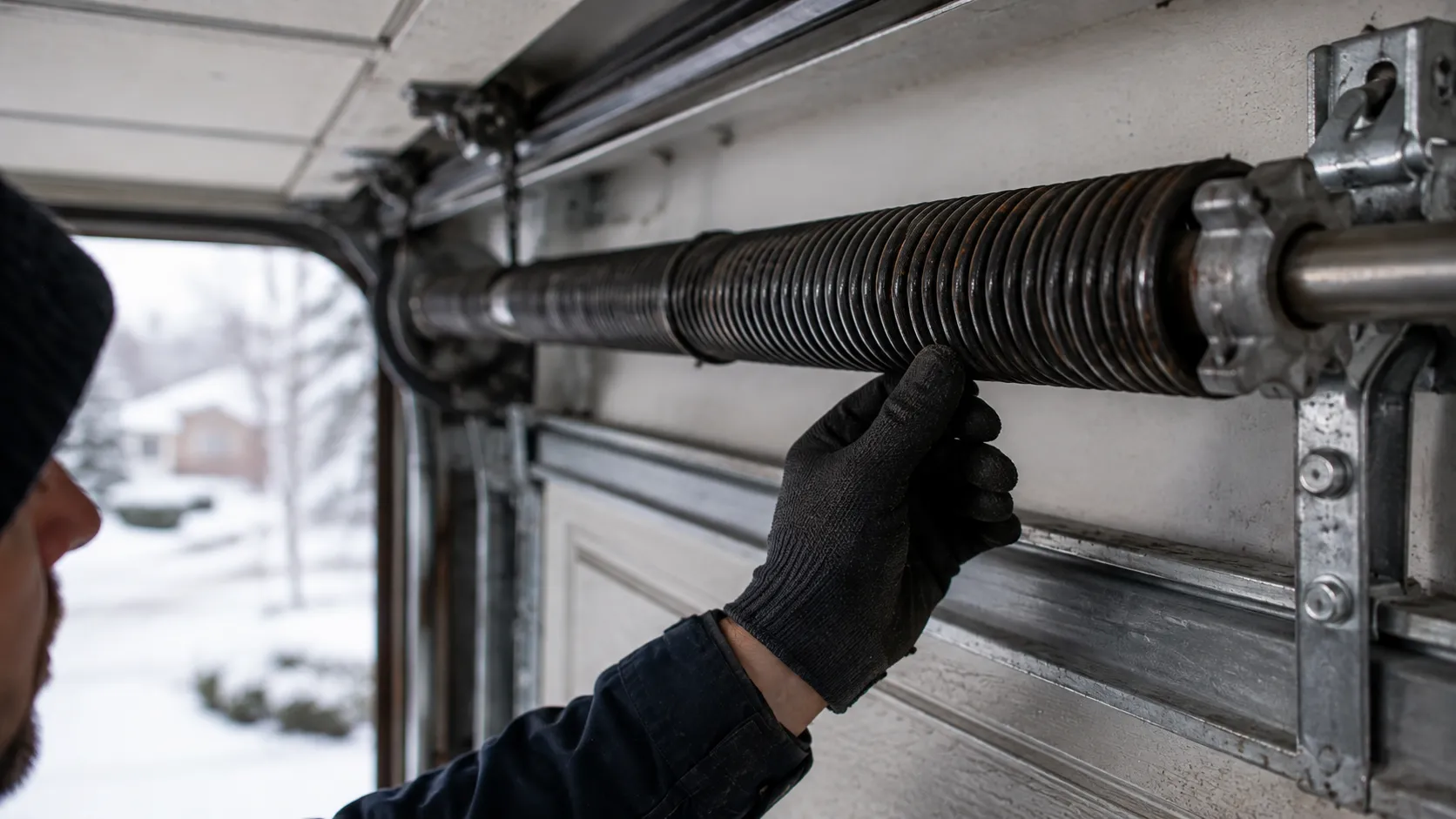
If your door won't budge or the opener strains and reverses, look at the spring first before you touch anything else. On a torsion setup, that's the coiled spring mounted on a bar above the door, not the cables running down the sides. A snapped one usually leaves a visible gap in the coil, sometimes with the two ends splayed apart, and you may find bits of metal or rust flake on the floor under it. Don't try to force the door open by hand or with the opener once you suspect a broken spring - the door is unbalanced and heavy, and the opener isn't built to lift that weight on its own.
Check the cables too. A spring failure sometimes takes a cable with it, and a cable under tension that lets go is its own hazard. If the garage sits below living space, check the ceiling track hardware for anything that's pulled loose from the sudden change in load. None of this is a DIY spring swap - torsion springs are under real tension and the wind bars matter. Call it in and leave the door shut in the meantime if you can.
What Local Conditions Do
This area sits in a mild temperate band, which means most owners here have never once had to think about how their door hardware handles a real cold snap. That's the trap. In places with a hard winter, springs get sized, lubricated, and eventually swapped with cold cycling in mind because everyone expects it. Here, a cold spell is the exception, so a spring that's been quietly rusting or losing tension for years doesn't get exercised by the kind of cold that would have forced an early failure - and an earlier fix - somewhere with a real winter.
Steel contracts as it cools, and a spring already fatigued from age or corrosion loses just enough flexibility that a cold snap is the extra push it needed to go. It's not the cold itself doing the damage so much as the cold finding the weakest link in hardware that was never really tested against it before. That's why these failures tend to show up as a surprise, on an otherwise ordinary morning, rather than as something anyone saw coming.
What Is Going On
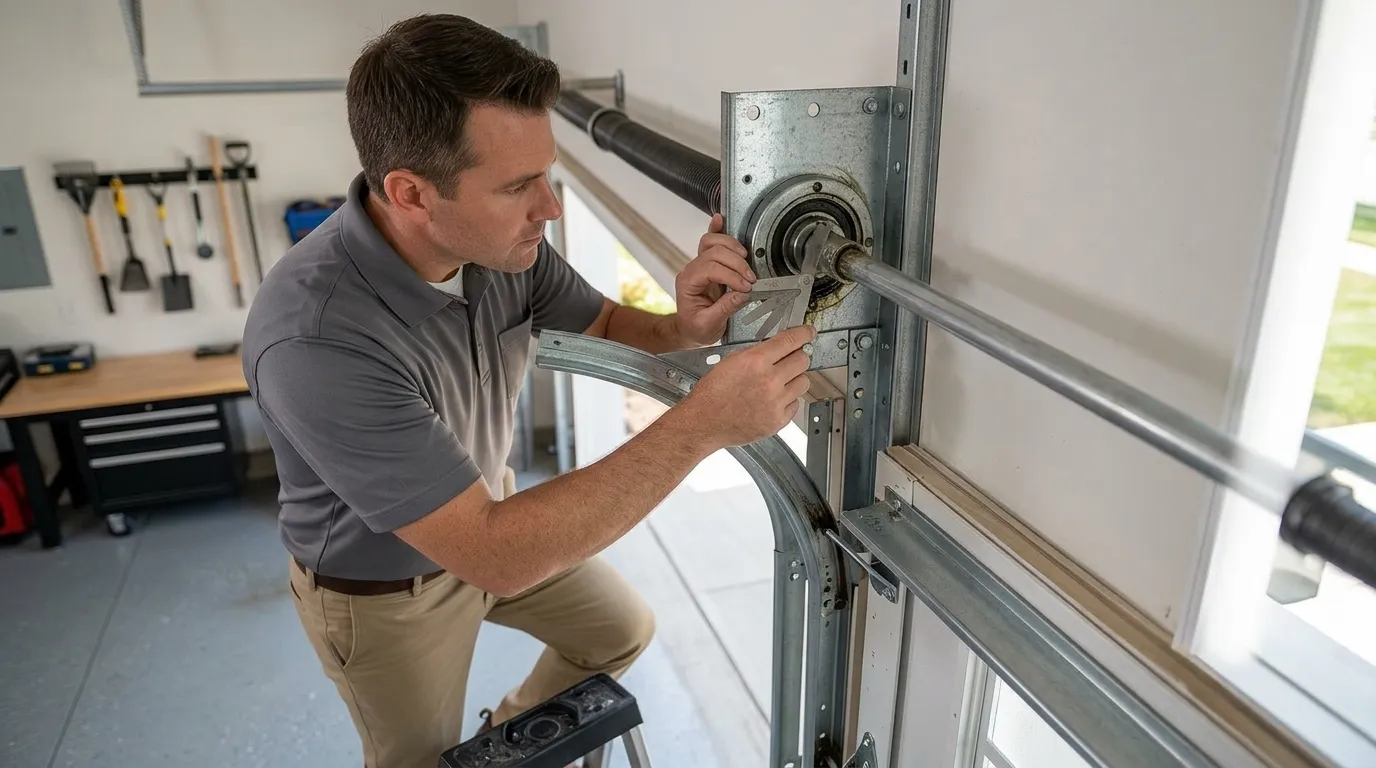
Most of the houses across this service area went up between the 1960s and 70s, with the broader housing stock here running from 1943 into the 2010s and a median build year of 1961. That puts a lot of these garages at or past the point where the original torsion spring - if it's never been replaced - is simply old. Steel fatigues with cycle count and age regardless of climate, and a spring installed when a house was built in 1961 has had six decades to work its way toward failure.
In a service area built out mostly in that era, garage doors were installed to spec for a mild climate, not with hardware rated for repeated freeze-thaw cycling, because that cycling was never the expected condition here. So when a rare cold stretch does hit, it's landing on springs that were already due for replacement on age alone. The cold isn't causing a defect - it's exposing one that's been building for years.
Doing Nothing For Now
If your spring hasn't broken yet but the door has started sounding rougher, sagging slightly at rest, or taking longer to lift, that's the warning most owners miss until the morning it actually snaps. Given how much of the housing stock in this area is from the 1960s and 70s, a spring showing its age now is not unusual, and it's worth having it looked at before a cold spell turns a slow decline into a stuck door and a call you weren't planning for.
Here's the honest limit: we don't recommend patching a spring that's failing or trying to stretch its life with lubricant alone once it's showing real wear. A spring is not a part where a partial fix makes sense - it's under too much tension for that. Once it's compromised, replacement is the only sound answer, and putting it off just moves the failure to a less convenient day.
How We Can Help
Garage Door Repair
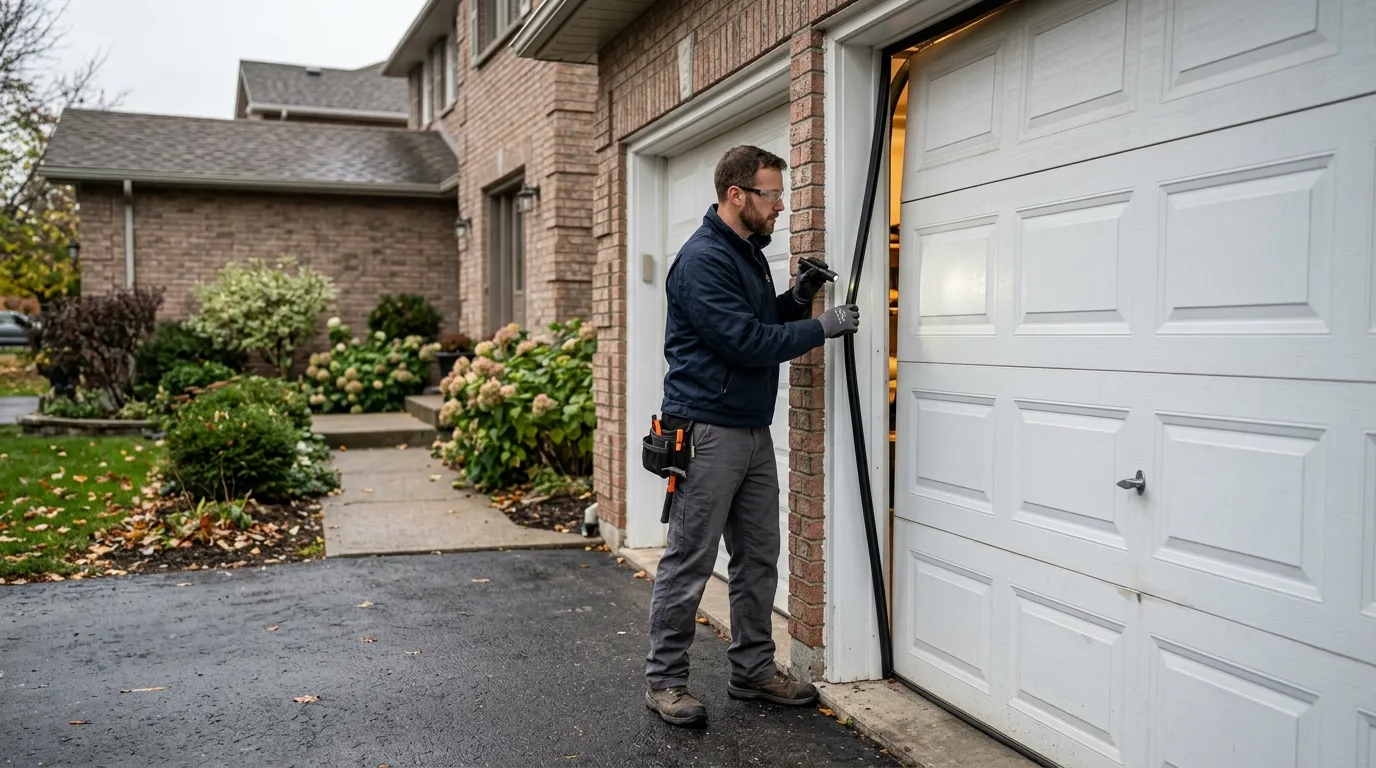
Springs, cables, tracks, rollers, and openers fixed by a tech who explains the problem before touching anything.
Learn more →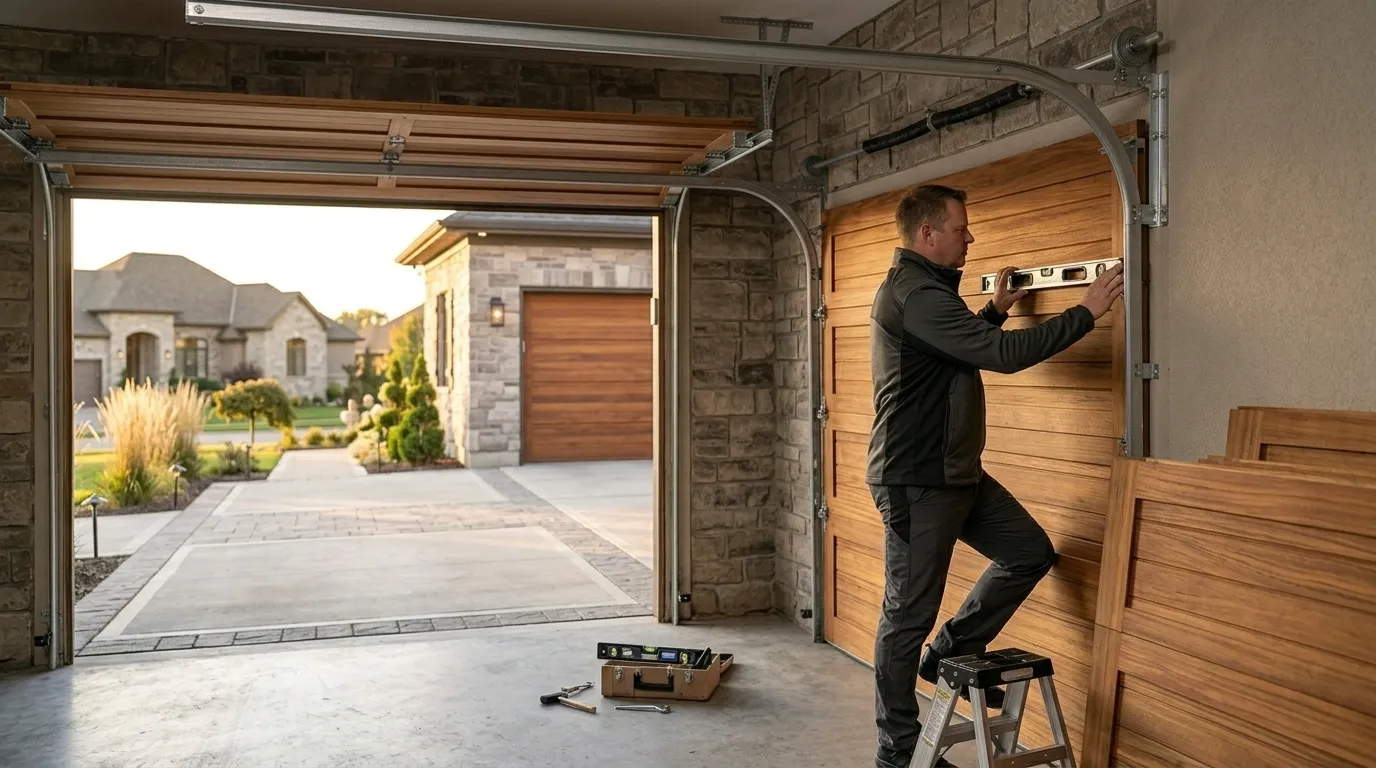
Garage Door Installation
New sectional doors sized and installed for the housing stock actually built in this area.
Learn more →
Garage Door Service
Tune-ups, lubrication, and safety checks that catch a small problem before it becomes a service call.
Learn more →Frequently Asked Questions
Why would a spring break now when it's never been an issue before?
A spring that's been aging quietly for years - common in houses from the 1960s and 70s across this area - doesn't need much to finally go. A stretch of colder-than-usual weather is often just the extra strain that pushes an already fatigued spring past its limit, even though this area rarely sees hard cold.
Is a broken spring a sign of a bigger problem with my door?
Not usually on its own. It's most often just age and wear catching up with the hardware, especially in a garage with the original spring from a build in the 1960s or 70s. But it's worth having the cables and track checked at the same time, since a sudden loss of tension can strain nearby hardware.
Can I just wait until it's warmer to deal with it?
Once a spring has broken, waiting doesn't help - the door stays unbalanced and unsafe to force open regardless of temperature. If it hasn't broken yet but sounds rough, waiting through a cold spell is the riskier choice, since that's exactly when an aging spring is most likely to go.
Have a Door That Needs a Second Opinion?
Call and describe what it is doing - we will tell you what it likely is.