
Los Angeles Garage Door Pros
Garage Door Repair for the Westside of Los Angeles
Garage door repair for Los Angeles homes from Palms to Culver City, built mostly in the 1960s and 70s, with parts and service for the doors and openers that actually break here.
- Licensed & Insured
- Same-Area Service Calls
- Upfront Pricing
The Area and Its Housing
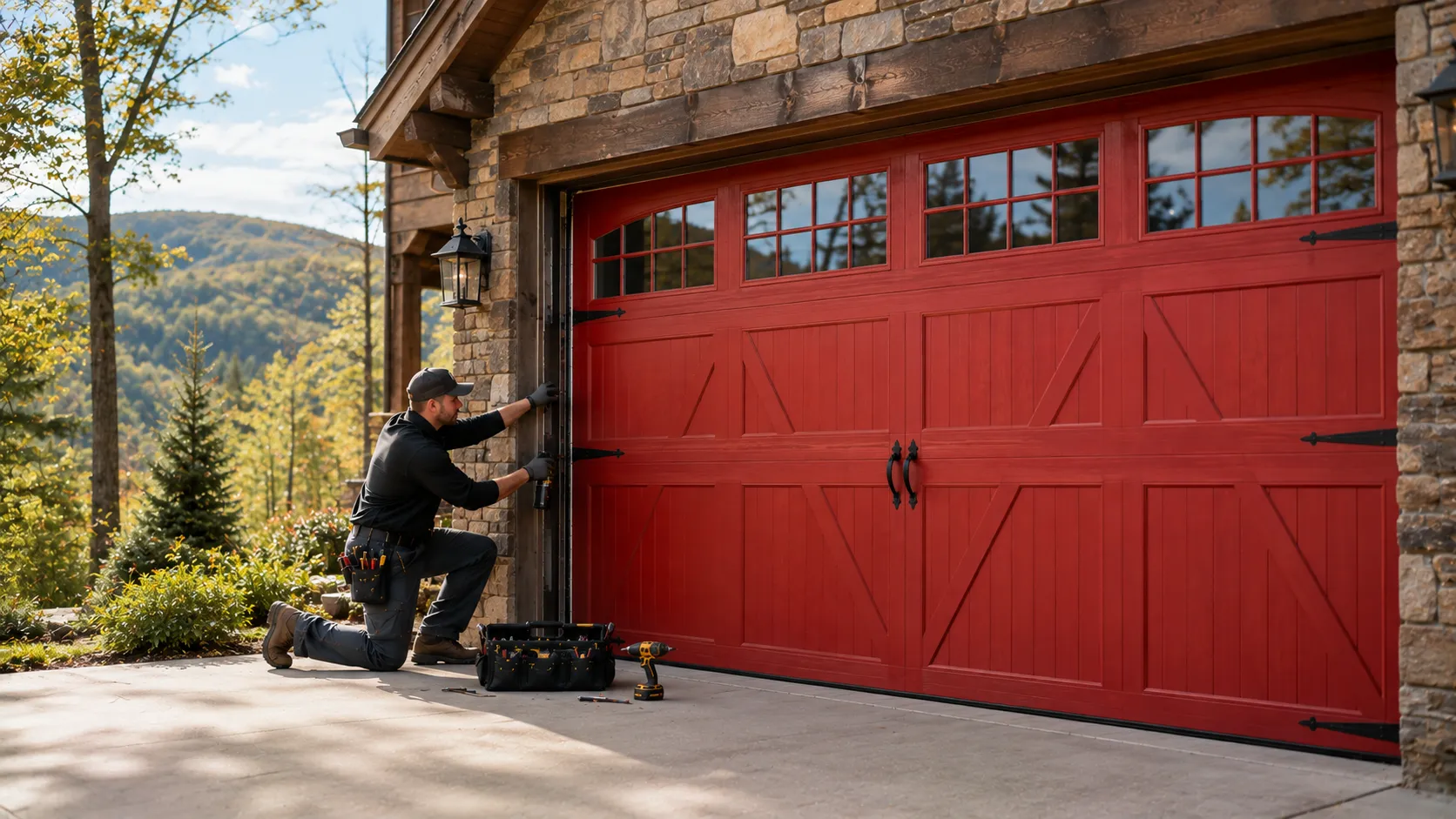
We work the stretch of Los Angeles that runs from Palms, right at our door, out through Cheviot Hills, Rancho Park, Mar Vista, West Los Angeles, Beverlywood, Sawtelle, Century City, Baldwin Hills, Mid-City, Fox Hills, Playa Vista, and Pico-Robertson, plus Culver City a mile off and Ladera Heights three miles out. Most of the houses on these blocks went up between 1943 and 2012, with the typical build year landing around 1961, and the bulk of what's actually on the ground across the 52 named areas we service dates from the 1960s and 70s. That matters for garage doors because a house built in 1963 usually still has the bones of a 1963 garage: a single-car opening on an older track, or a two-car door hung on hardware nobody has made in decades.
If your house is one of the ranch or dingbat builds from that era, you already know the door doesn't quite close the way it used to, and it's not because you're imagining it. We work on that stock every week, not on some idealized new-construction door.
When to Stop Fixing It
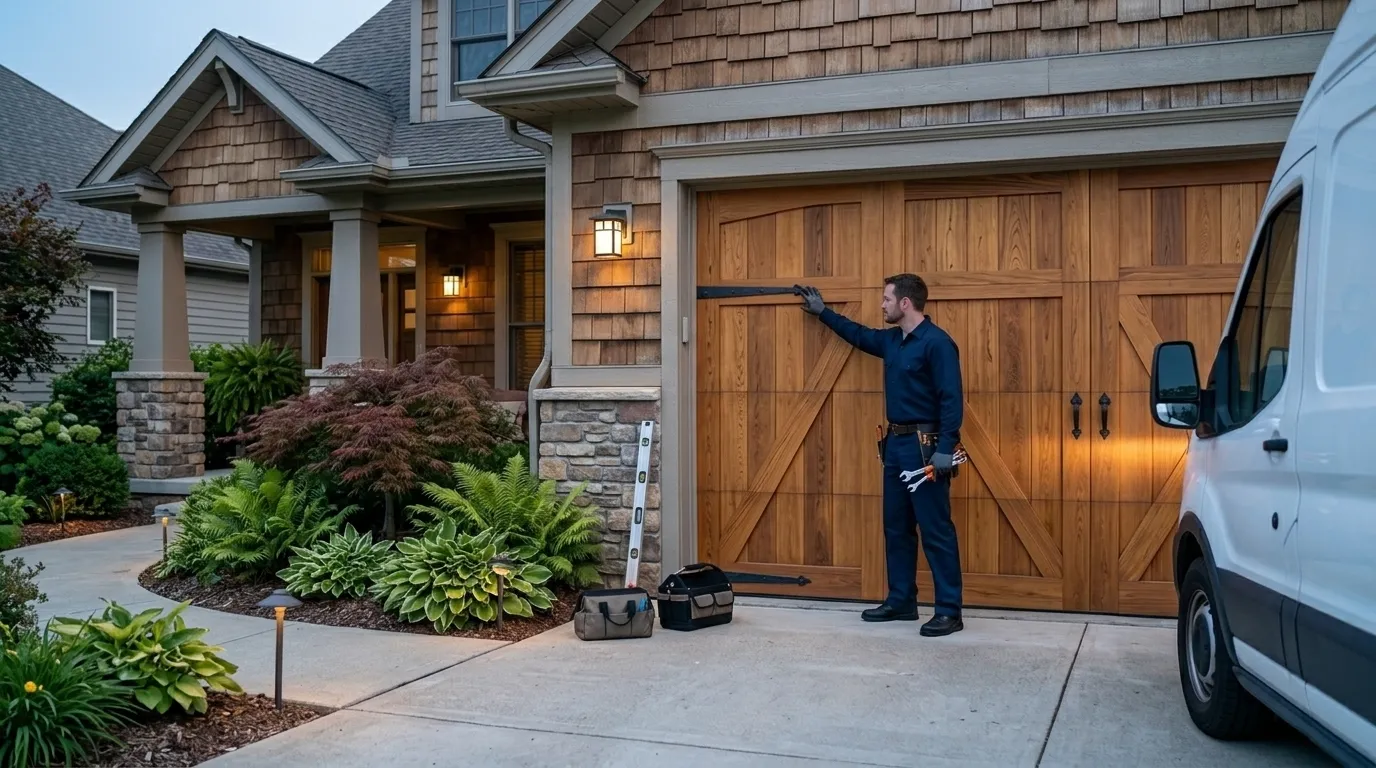
Not every call ends in a repair, and we'll tell you that on the phone if it's obvious. A torsion spring snap on a door that's otherwise sound is a straightforward fix. But if you've got a door from the 1960s stock that's on its third spring, the track is bent from a decade of being backed into, and the panels are rusting from the inside out, spending money on another spring is just delaying the same call next year.
We'll say so. The mild temperate climate here doesn't rot wood or rust steel the way a harsher climate would, so a lot of these original doors have lasted far longer than the springs and rollers inside them, but the hardware still wears out on its own schedule. When the opener, the track, and the panels are all past their working life at once, replacing the door costs less over five years than patching it three separate times.
What Happens When You Call
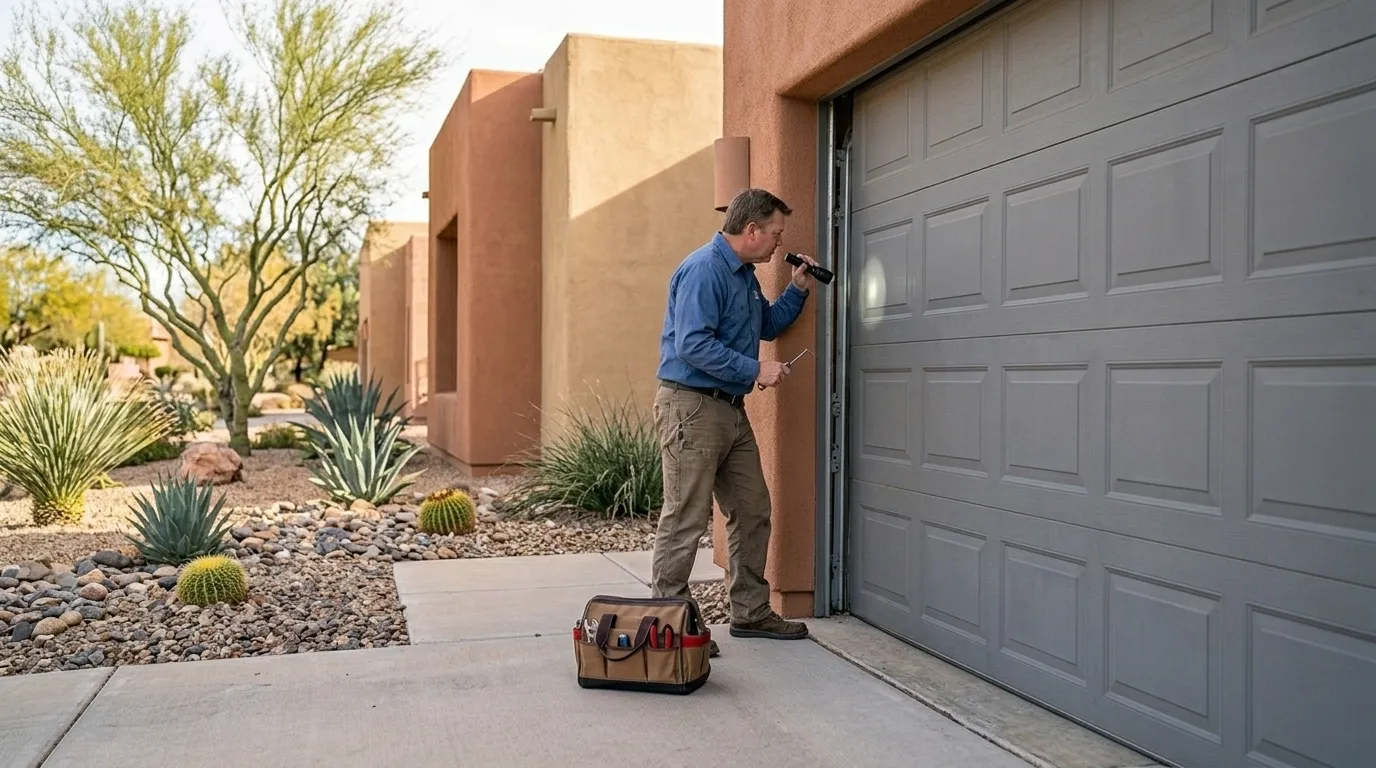
You tell us the neighborhood and what the door is doing, and we give you a window the same day for most of the area covered above, from Palms out to Century City and down toward Fox Hills and Playa Vista. On site, the tech opens the panel or the opener housing, tells you what's actually broken versus what's just old and noisy, and gives you a number before touching anything else. If a part isn't something we carry on the truck, we'll say that too rather than stall you with a return visit that isn't necessary.
Older torsion springs sized for doors built in the 1960s aren't always a same-day stock item, and we're not going to pretend otherwise. What we won't do is quote one thing and bill another, and we won't sell a full door replacement on a service call that only needed a $40 roller.
What Breaks Around Here
The single biggest source of calls across this stretch of Los Angeles is torsion springs on doors installed when the house was built, meaning a lot of springs original to construction from the 1960s and 70s finally giving out after decades of cycles. Second most common: openers on the same age curve, chain-drive units from the era before belt drives were standard, grinding down until the motor can't lift the door anymore.
Third is rollers and cables on doors that get used multiple times a day, which tracks with a service area of 660,701 households and 200,536 owner-occupied houses, meaning a lot of daily two-car traffic in and out of attached garages. We don't see much weather damage here, since the mild temperate climate doesn't put doors through the freeze-thaw cycles or wind-driven rain that wreck hardware elsewhere, so when a door fails here it's almost always age and use, not storm damage.
What You Pay For
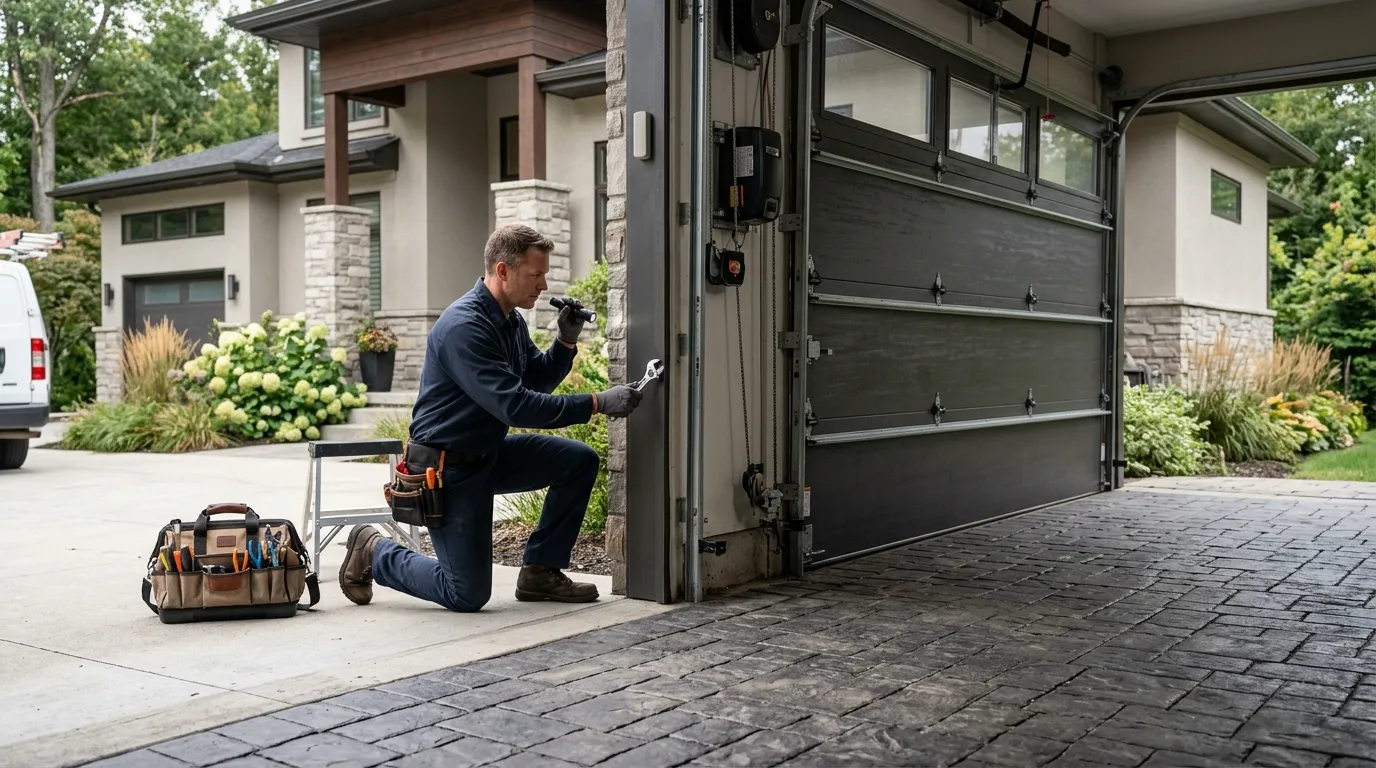
With a median household income of $86,072 across the service area, most of our calls are homeowners who want the job done right the first time rather than patched cheap twice, and that's how we price the work. You're paying for the tech's time, the part itself, and the truck being at your address inside the window we gave you, not for a diagnostic fee stacked on top of the repair fee.
We don't upsell a full door replacement on a spring call, and we don't quote a repair price over the phone before someone's actually looked at the door, because on a house with original 1960s hardware, what looks like a spring problem is sometimes a track problem underneath it. If parts for an older door need to be ordered, we tell you that before we tell you a price.
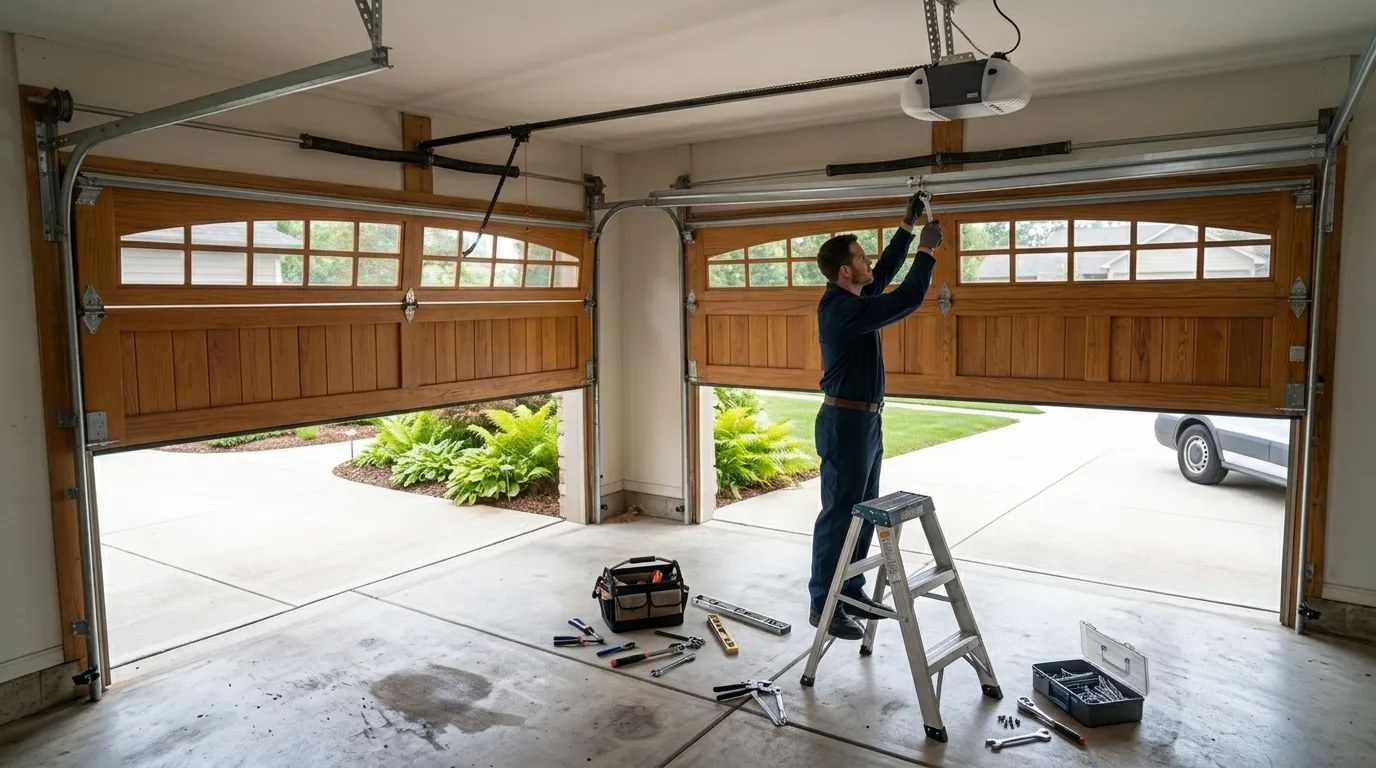
How We Can Help
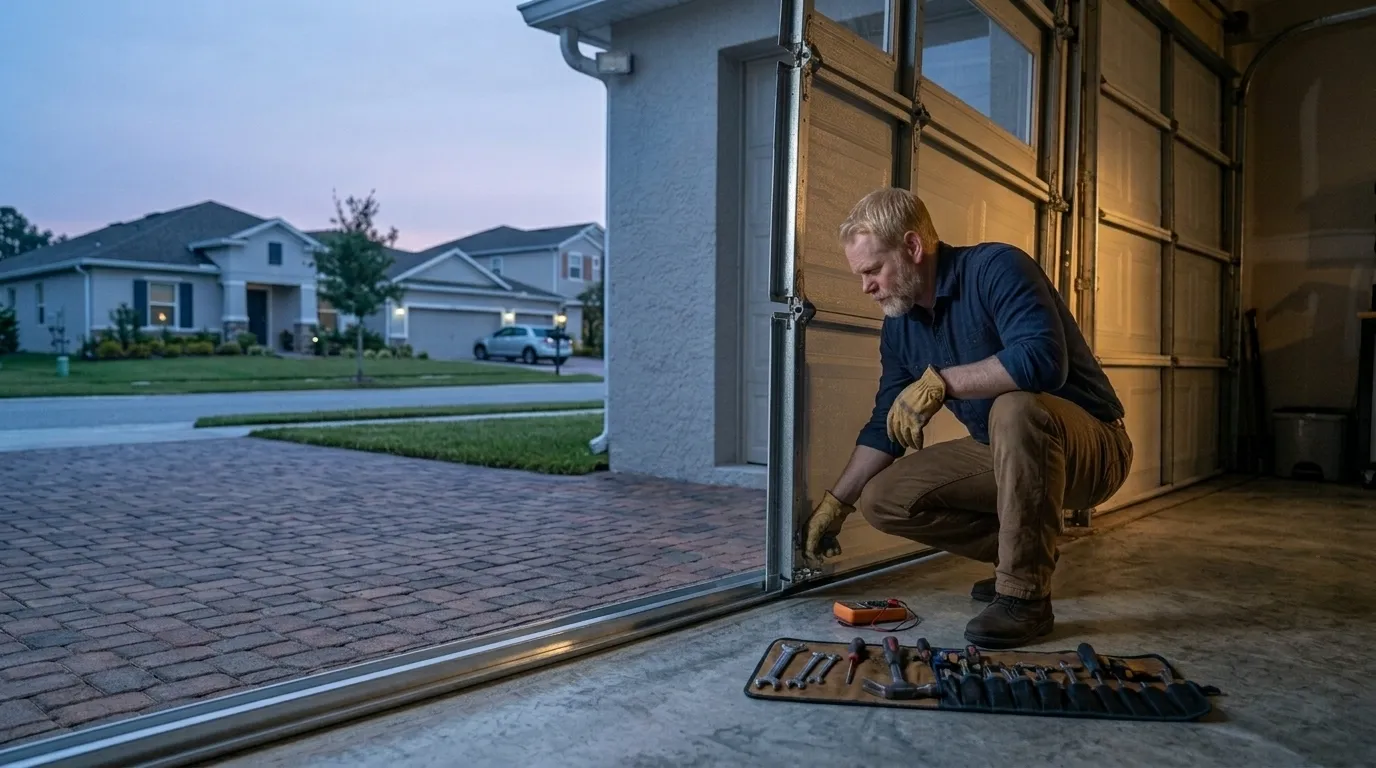
Garage Door Installation
New sectional doors sized and installed for the housing stock actually built in this area.
Learn more →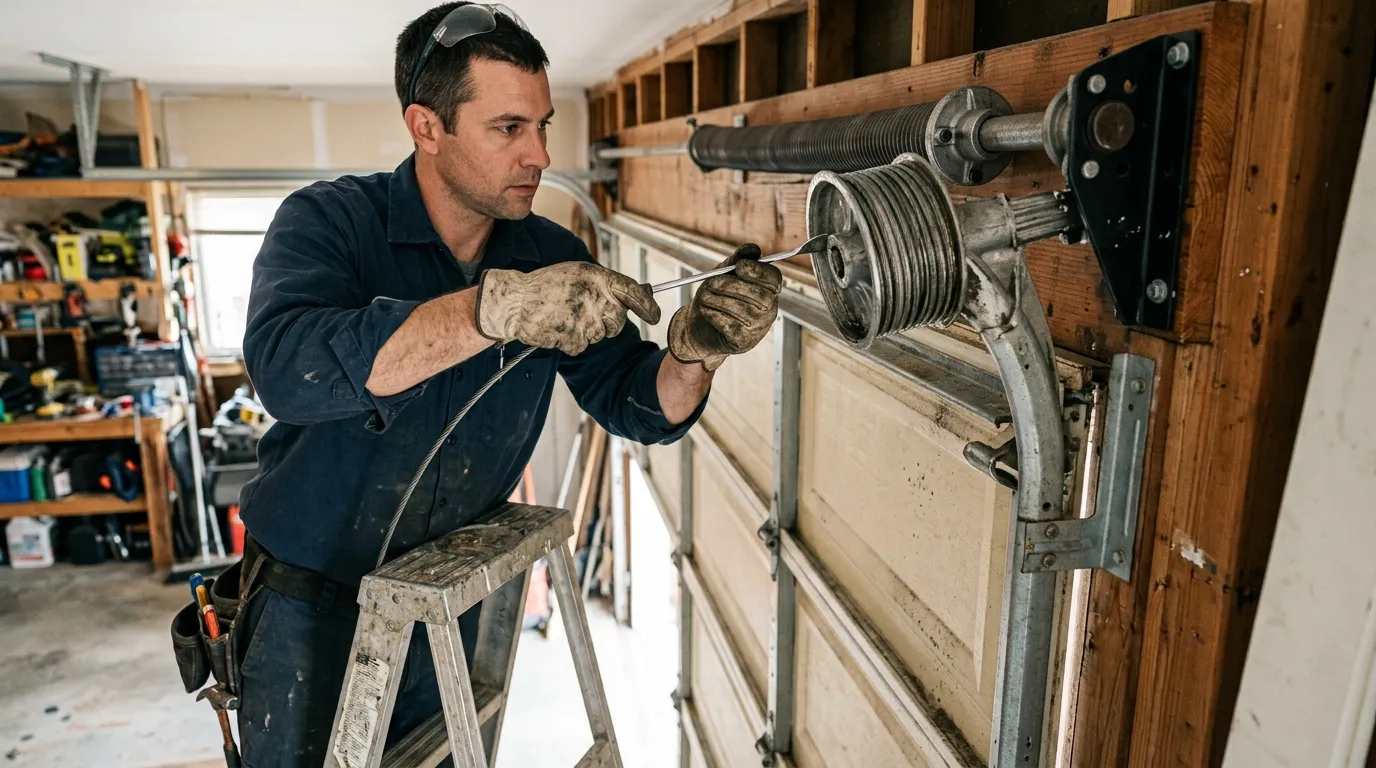
Garage Door Off Track
Doors that jumped the track reset safely, with rollers and alignment checked so it holds.
Learn more →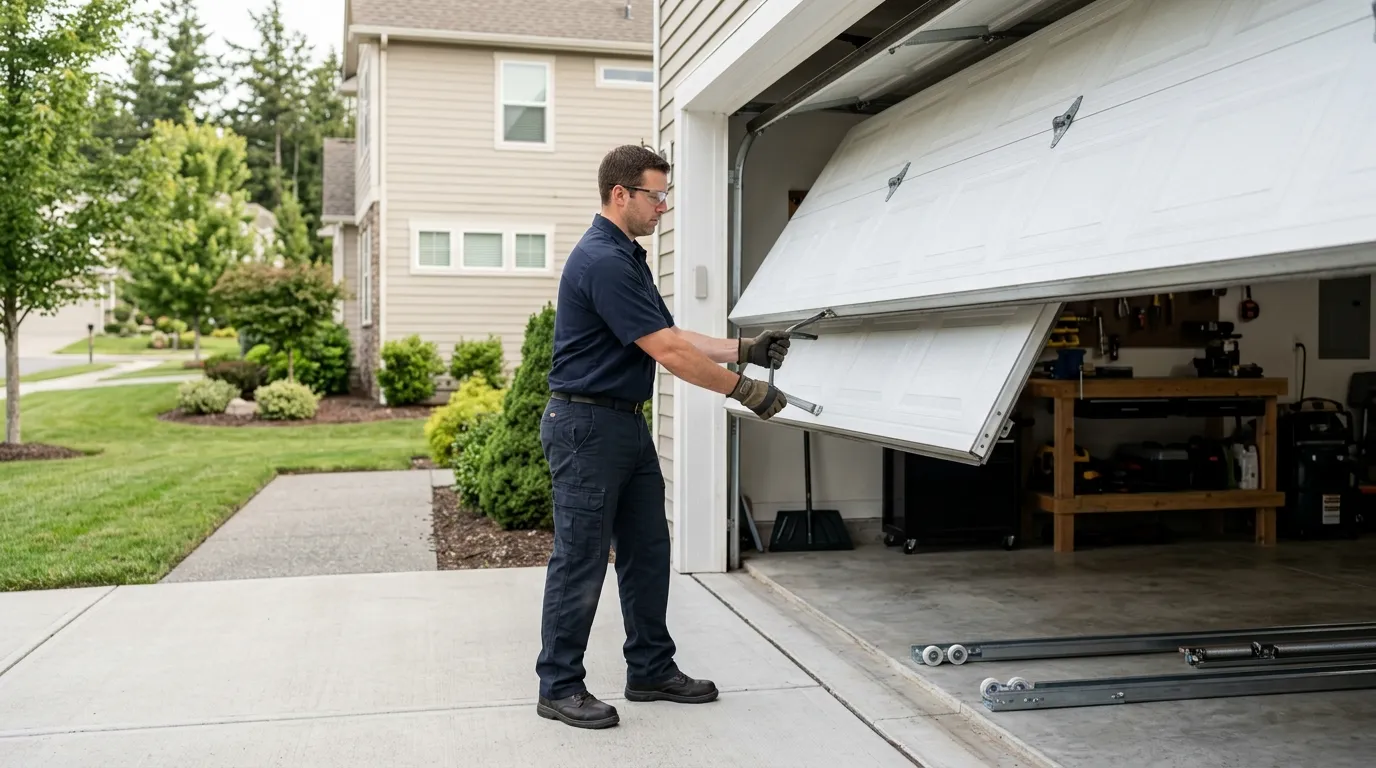
Garage Door Spring Repair
Broken torsion and extension springs replaced and the door rebalanced in the same visit.
Learn more →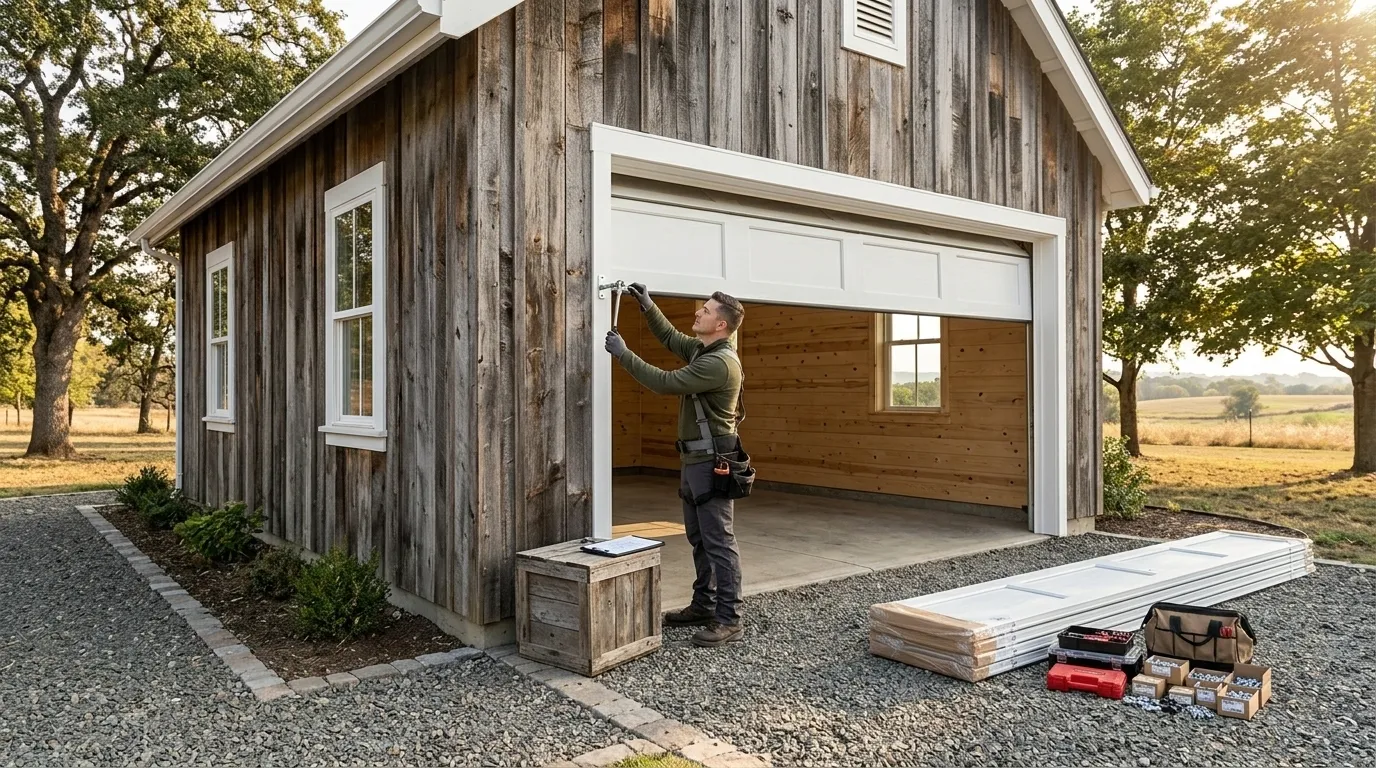
Garage Door Cable Repair
Frayed or snapped lift cables replaced and tensioned so the door lifts level and safe.
Learn more →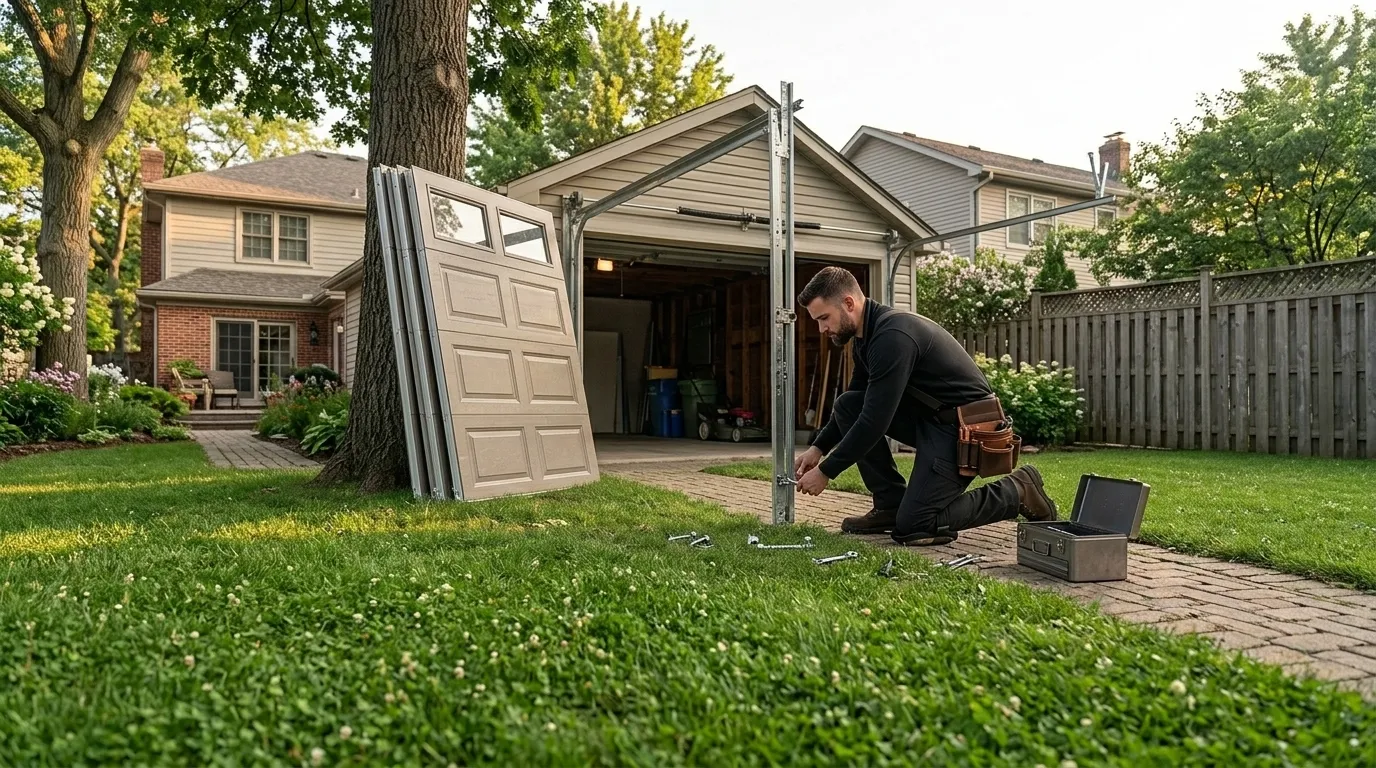
Garage Door Panel Replacement
Dented or cracked panels swapped without replacing the whole door where the frame is sound.
Learn more →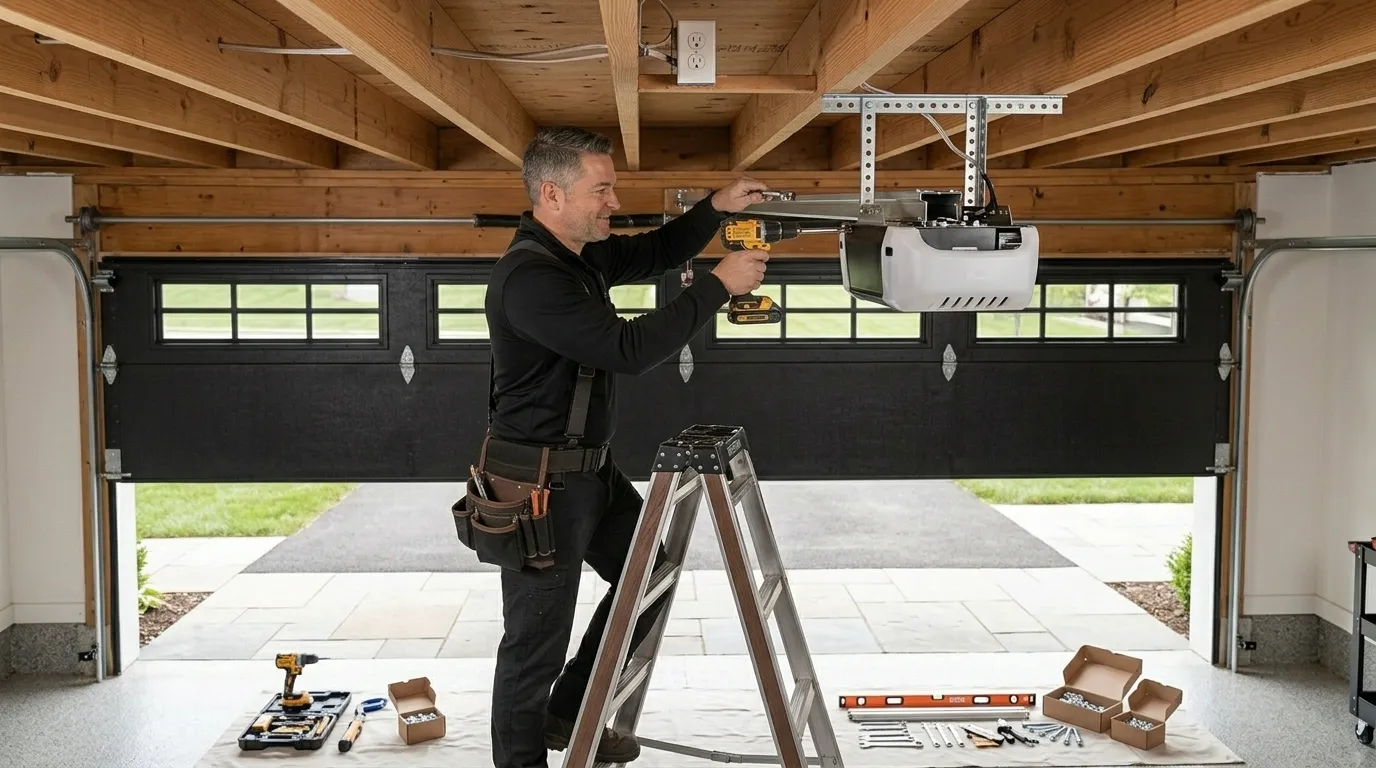
Garage Door Service
Tune-ups, lubrication, and safety checks that catch a small problem before it becomes a service call.
Learn more →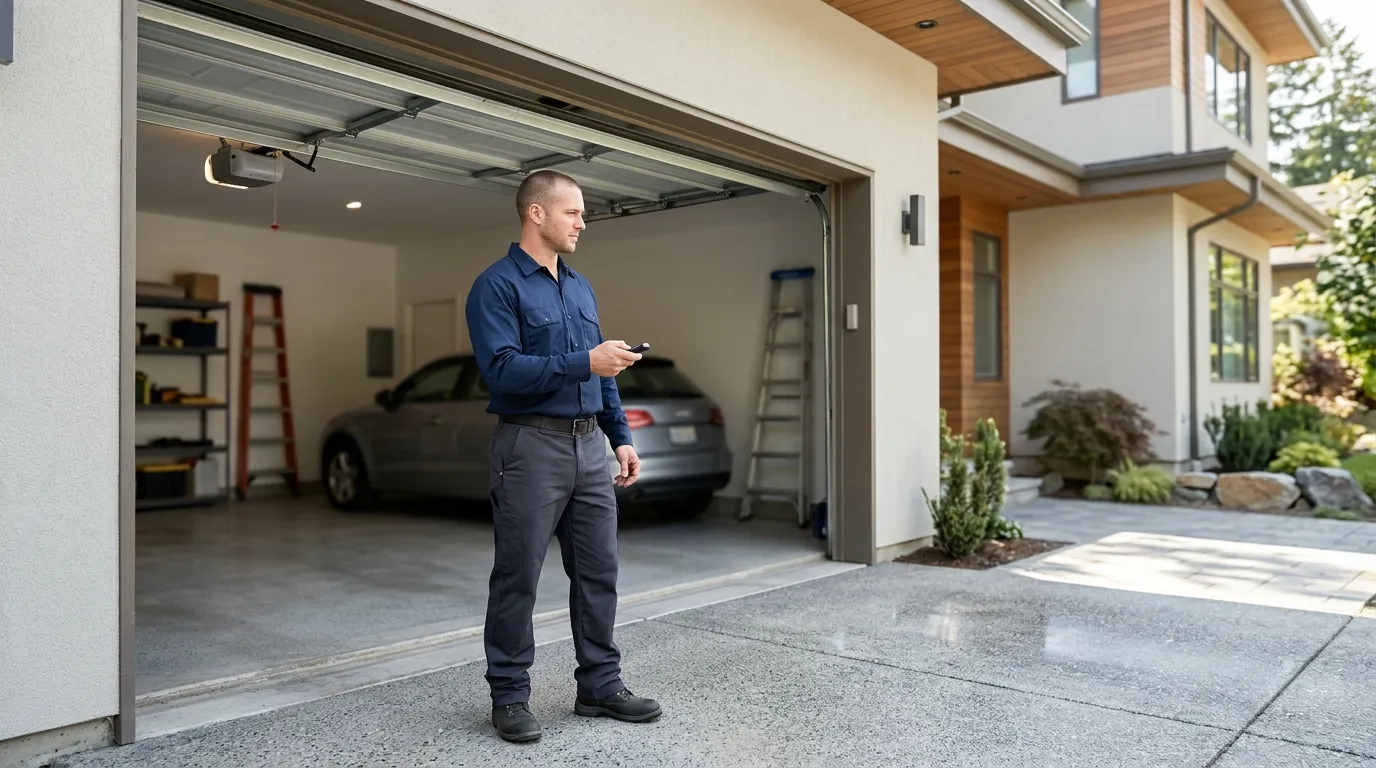
Garage Door Repair
Springs, cables, tracks, rollers, and openers fixed by a tech who explains the problem before touching anything.
Learn more →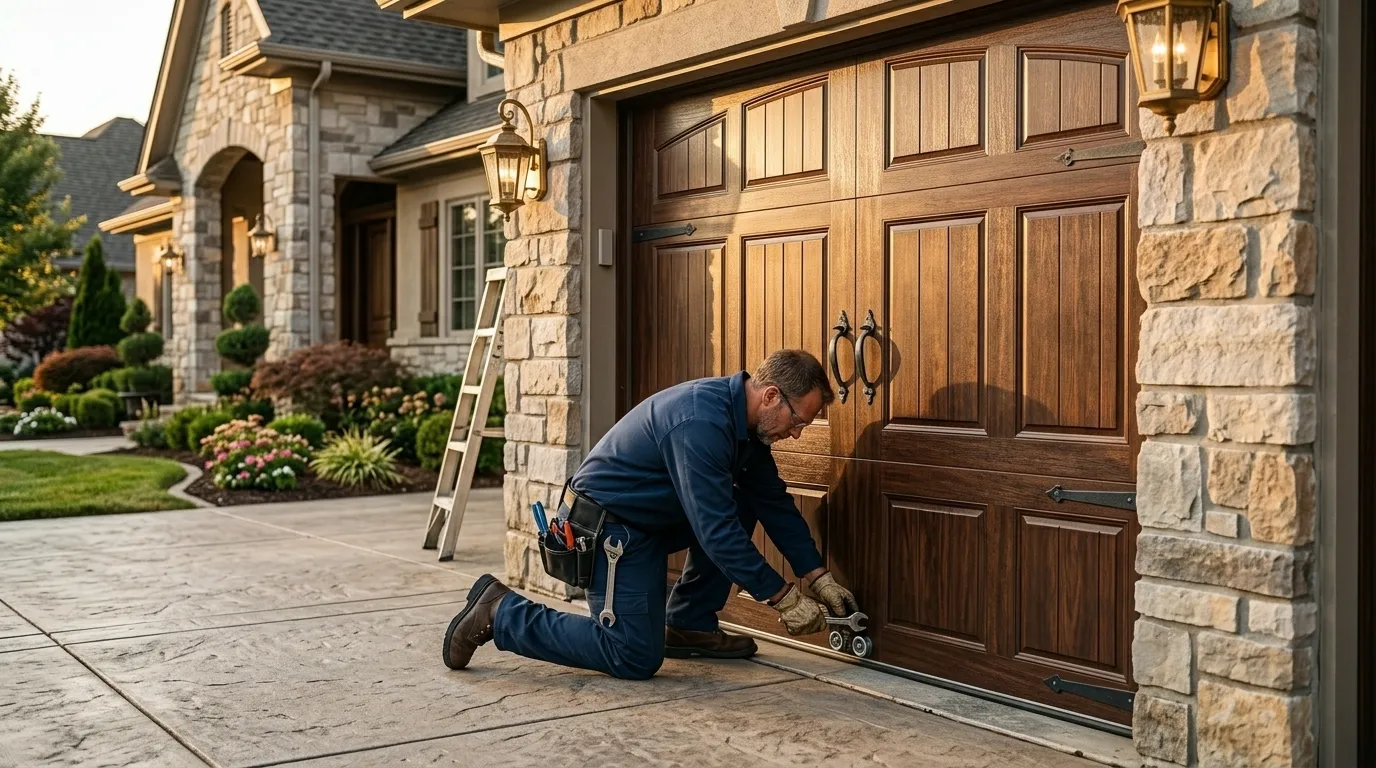
Garage Door Opener Installation
New openers sized to your door and set up with the safety sensors dialed in.
Learn more →Recent Work Around Los Angeles
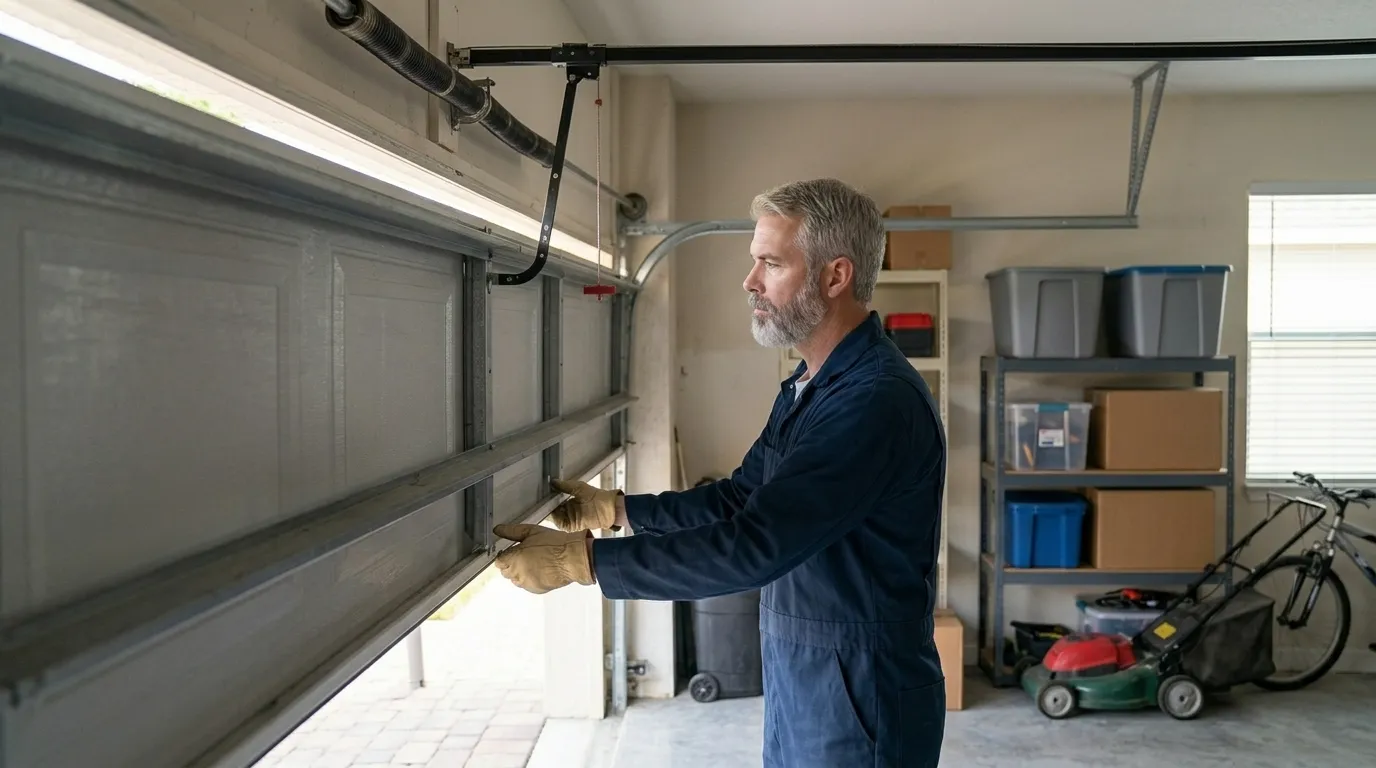
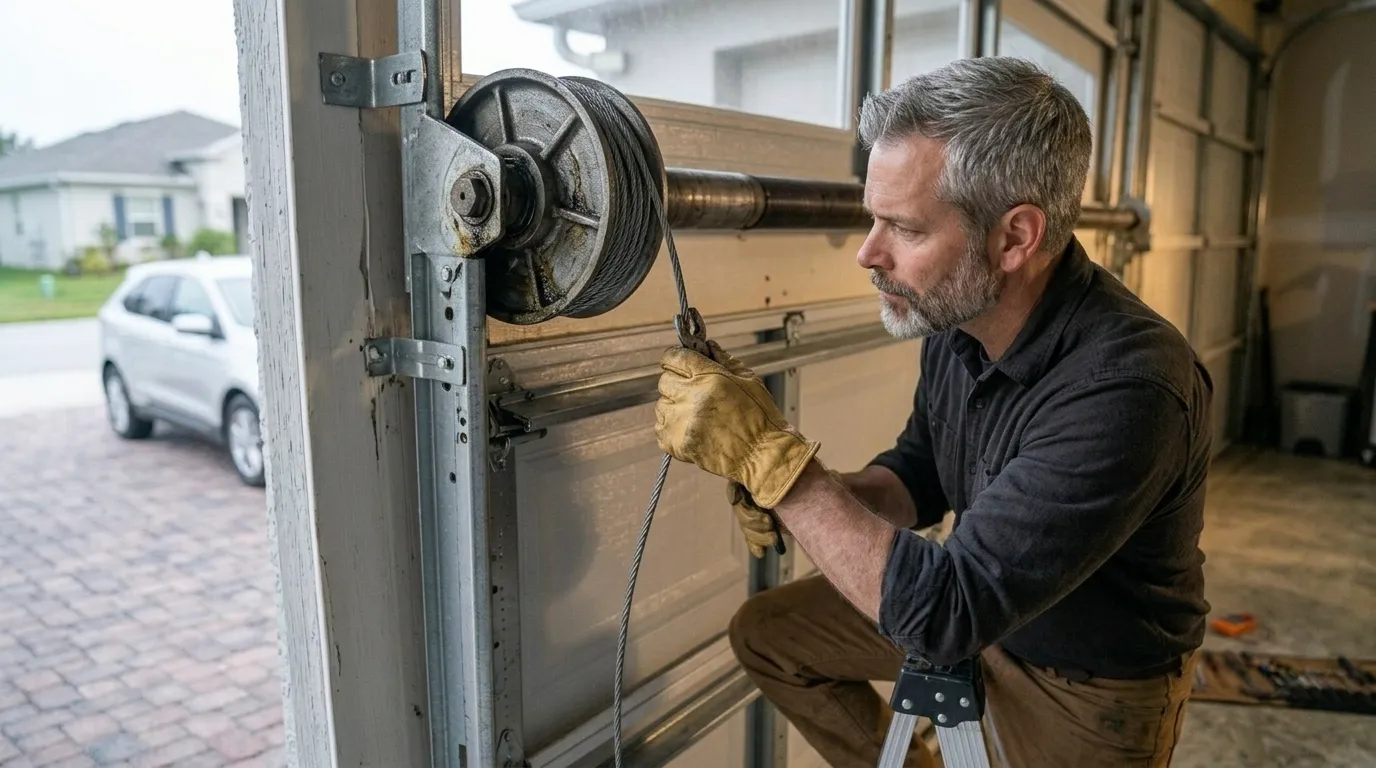
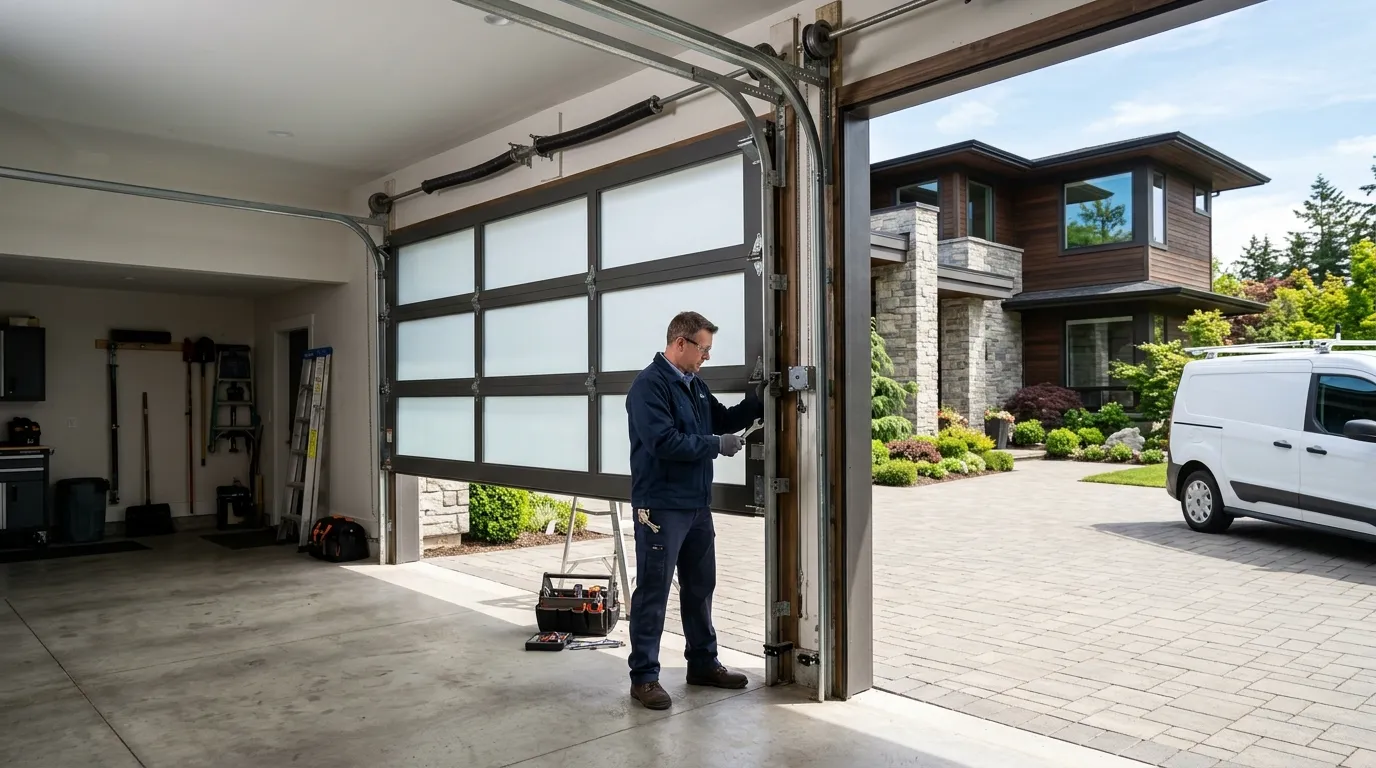
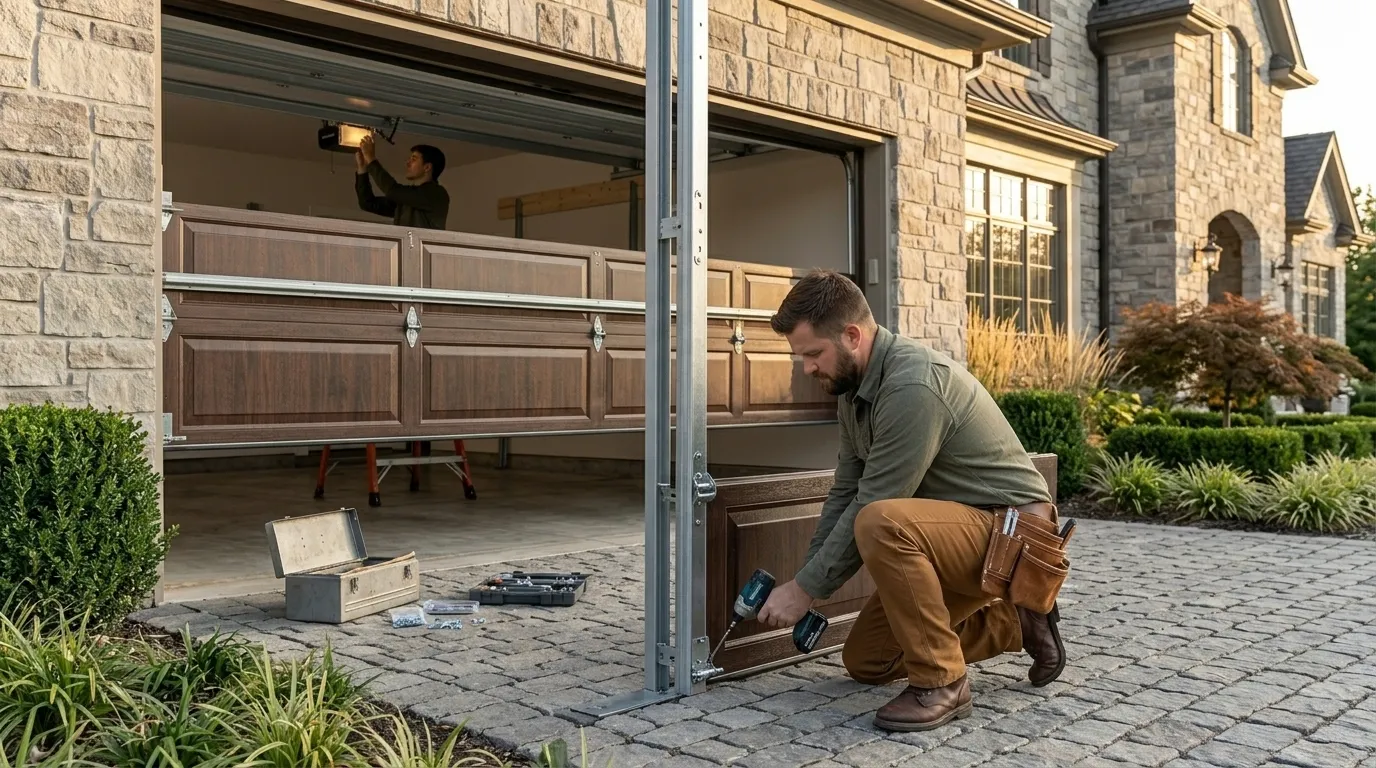
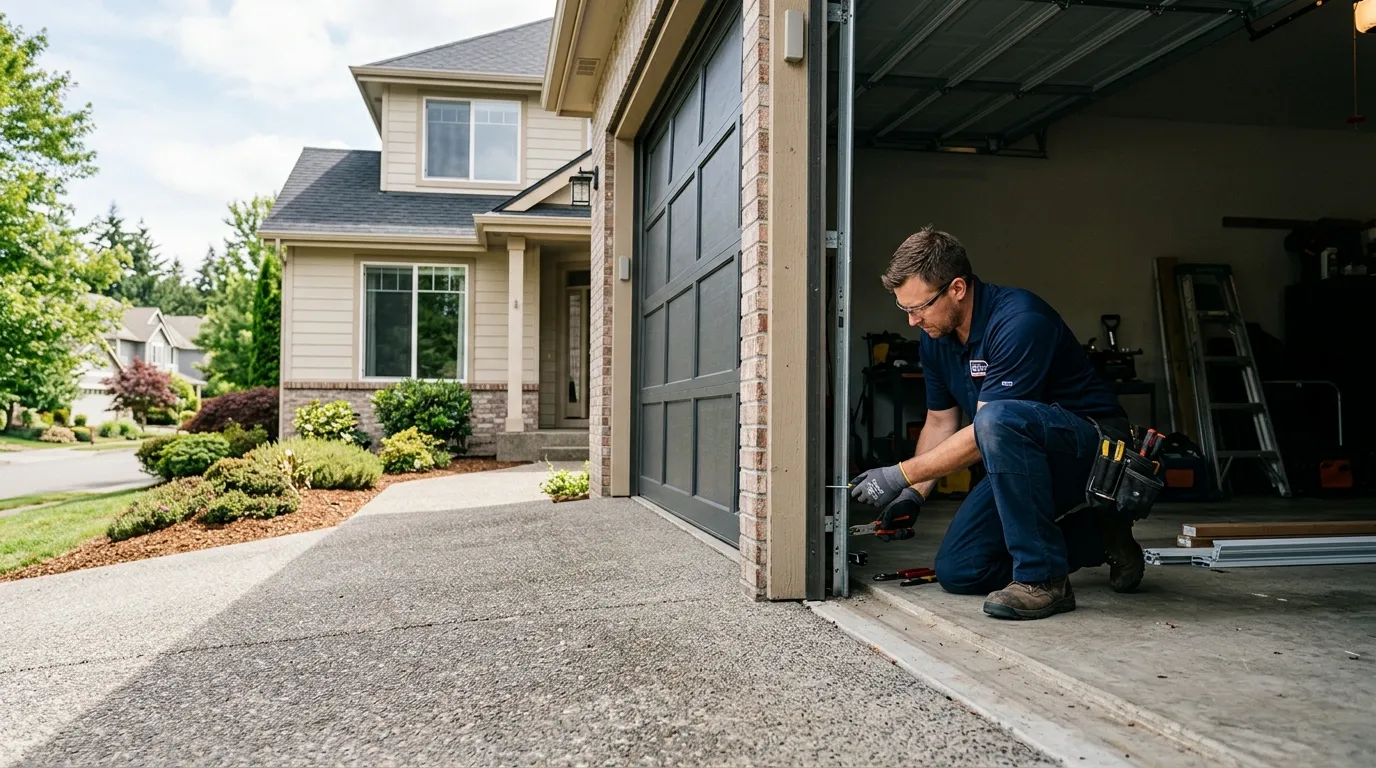
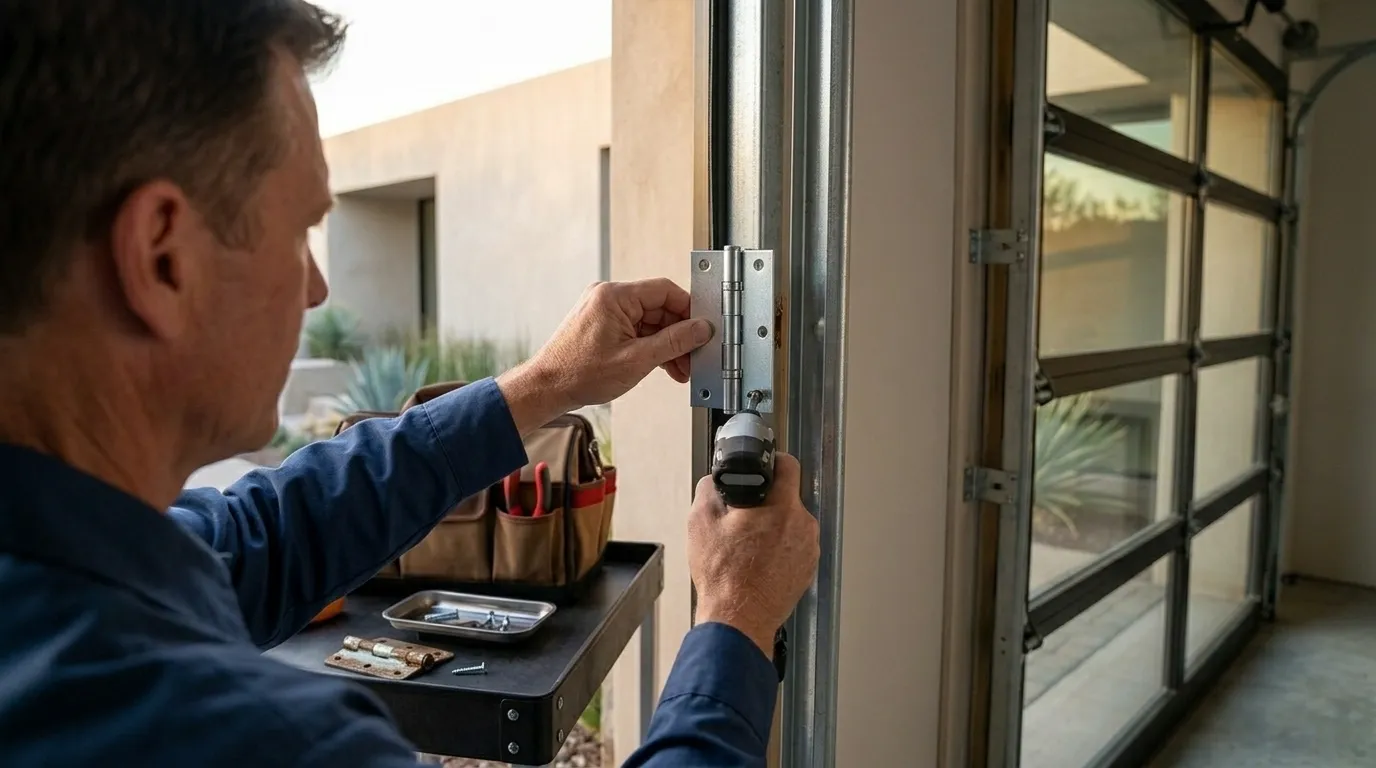
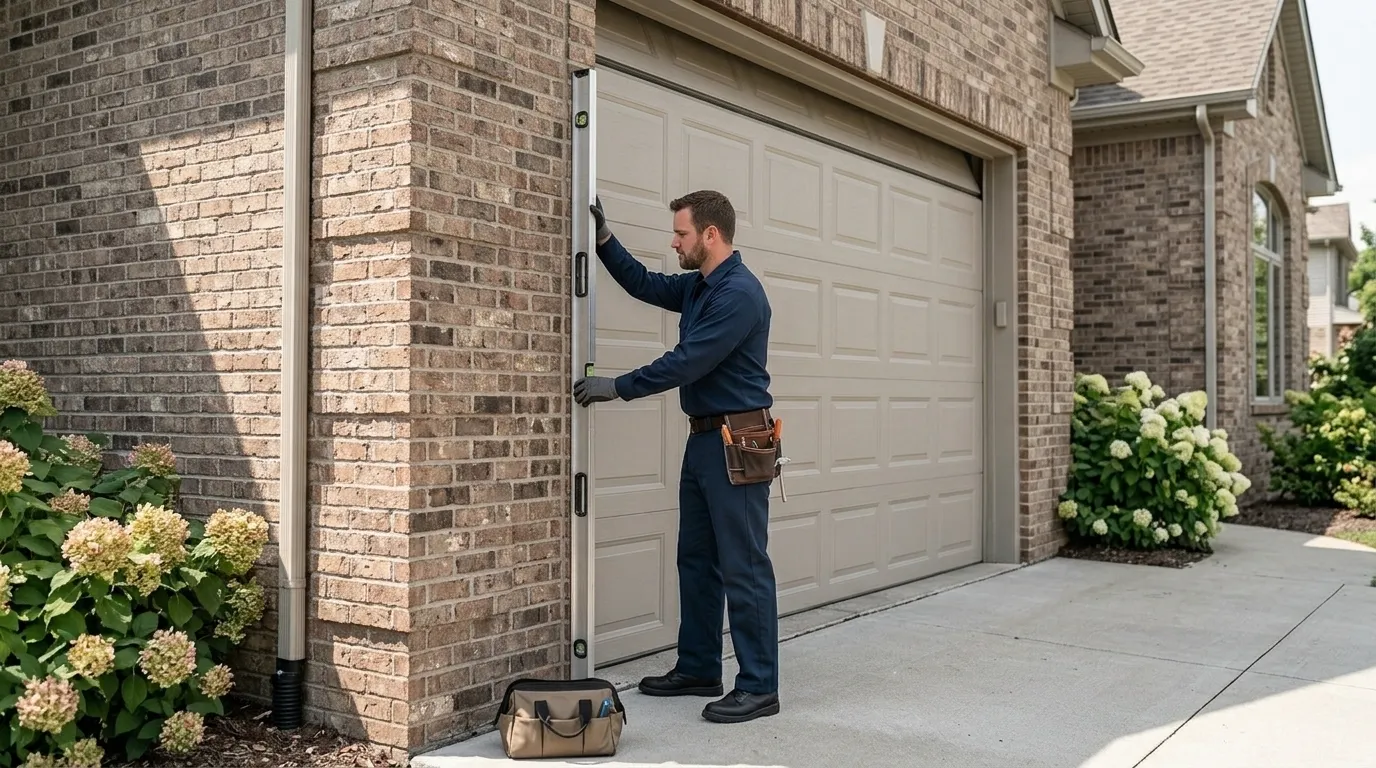
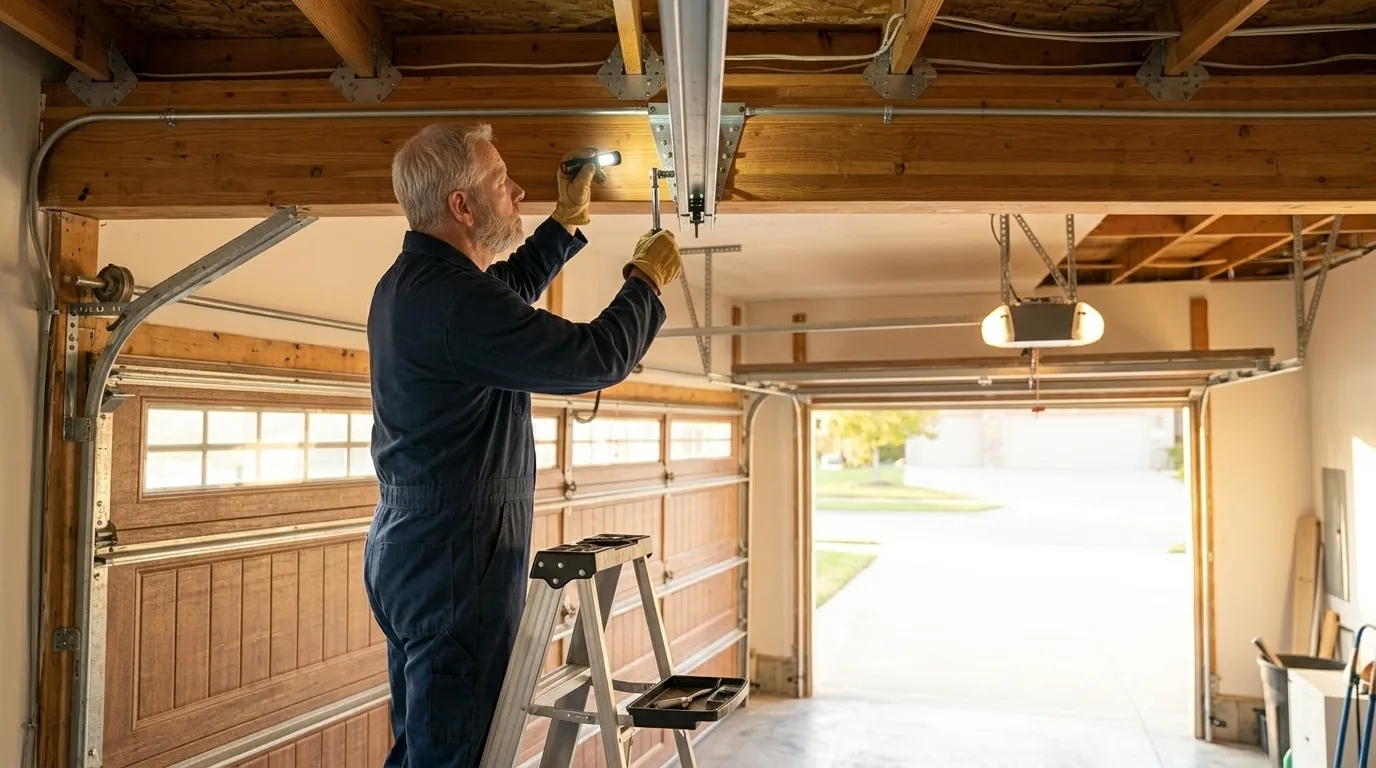
A look at the doors, springs, and openers our crew has been on lately.
Why Los Angeles Calls Us
Local facts, not a franchise script.
What Happens When You Call
-
1
Call or Request a Quote
Tell us what the door is doing and roughly how old the house is - that alone points us toward the likely part before a truck leaves.
-
2
On-Site Diagnosis
A tech checks the spring, cables, tracks, and opener in person and tells you plainly what is actually wrong.
-
3
Straight Price, No Surprises
You get a number before any work starts. It covers parts and labor, nothing added after the fact.
-
4
Fixed the Same Visit
Most repairs are done in one trip. If a part needs sourcing, we tell you that upfront instead of guessing.
Areas We Serve
Frequently Asked Questions
Do you work in Culver City or just Los Angeles proper?
Yes, Culver City is about a mile from where we're based and it's part of the regular service area, along with Ladera Heights, Mar Vista, Century City, and the other areas listed for us. If you're within a few miles of Palms, call and we'll tell you straight whether you're in range.
Why does my garage door from the 1960s keep breaking?
Houses across this part of Los Angeles were mostly built in the 1960s and 70s, and a lot of those garages still have original or near-original hardware. Springs and rollers wear out on a cycle count, not a calendar, so a door that's been opened twice a day for fifty years is due, regardless of how well it was built.
Should I repair or replace an old door?
Depends on what's failing. A single broken spring on an otherwise solid door is worth fixing. If the track, panels, and opener are all near the end at once, replacement usually costs less over a few years than a string of separate repairs. We'll give you our honest read on site.
Does the weather here damage garage doors?
Not much. The mild temperate climate in this part of Los Angeles doesn't put doors through the freeze-thaw or storm stress that causes rust and warping elsewhere. Most failures we see are from age and daily use, not weather.
Ready to Get Your Door Fixed Right?
Call now or request a quote online, and we will tell you straight what your door needs.