
Los Angeles Garage Door Guide
Why So Many Los Angeles Garage Doors Predate Insulation Codes
Most garage doors across Los Angeles sit on houses built before insulation codes existed. Here's what that means for the panel on your own house.
- Licensed & Insured
- Same-Area Service Calls
- Upfront Pricing
What to Check
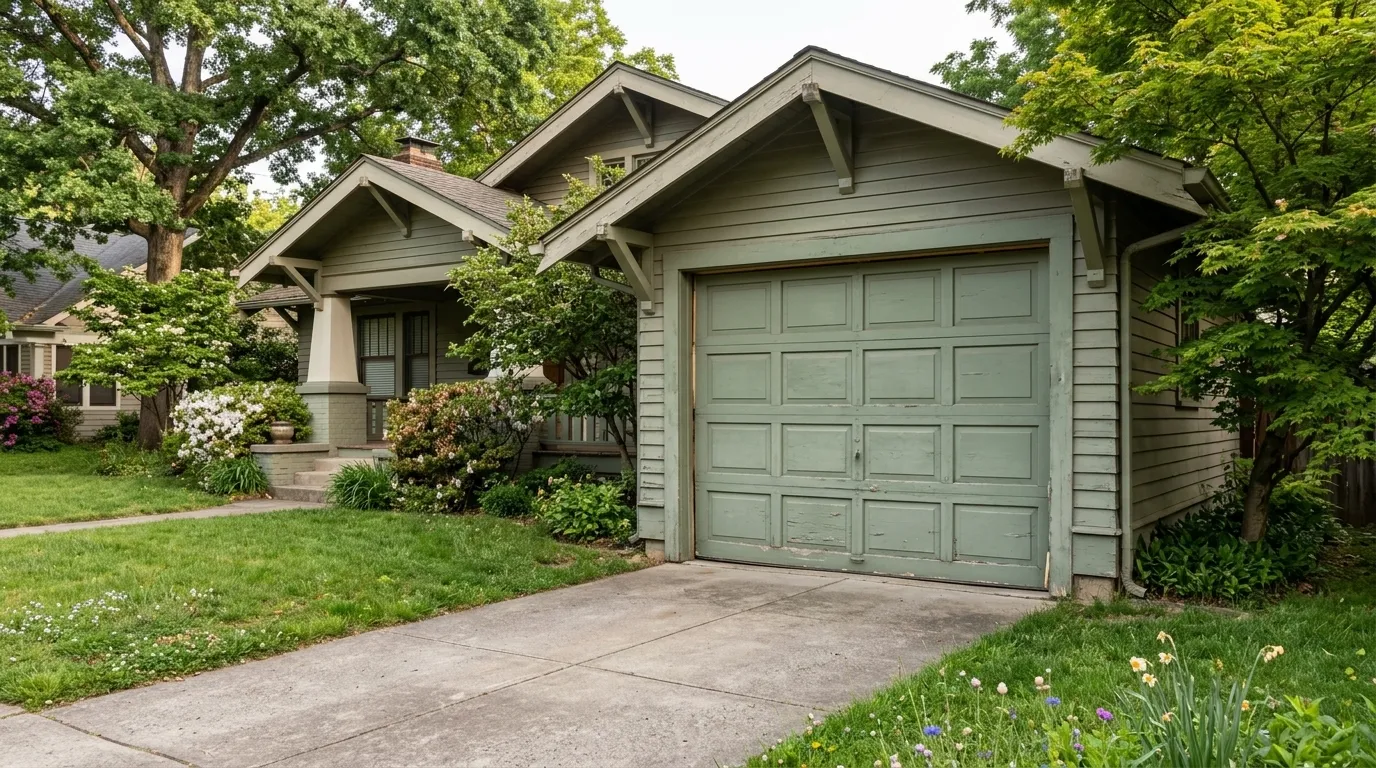
Start with the build era of your house, not the door itself. Across this service area the median year built is 1961, and stock runs from 1943 up through 2012, which means a lot of original garages were framed and finished before any state insulation requirement applied to residential doors. If your door is a single flat steel or wood panel with no visible foam backing when you look at the inside face, that's the tell. Run a hand along the inside skin - if it's cold sheet metal with nothing behind it, you've got a pre-code door. Check the bottom corners for rust or rot next, since these older panels were rarely galvanized to today's standard. Also look at the track and hinges: original hardware from the 1960s and 70s often still works, which is part of why nobody's replaced the door. We're not telling you to swap it out on sight. We're telling you what you're looking at, so a repair call doesn't turn into a surprise about the door's age.
One honest note: if the panel is delaminating or the steel skin has separated from any backing that was added later, patching it isn't worth the labor. That's a replacement, not a repair.
What Local Conditions Do
The mild temperate climate here is the reason so many of these old doors are still hanging. In a place with real freeze-thaw cycles or heavy humidity, an uninsulated steel panel from 1965 would have failed decades ago - warped, rusted through, or cracked at the seams. Here, the door just sits there doing its job, season after season, with nothing pushing it to fail outright. That's good news for your wallet in one sense: no emergency. It's also the reason nobody's forced to think about insulation until they're standing in the garage on a hot afternoon and wondering why it feels like an oven. The mild weather doesn't demand a fix, so people wait. Across the 52 named areas we work in, from Cheviot Hills to Mar Vista to Fox Hills, the pattern repeats: the door is old, the door still opens and closes, and the door was never built to hold back heat because nothing in the climate ever forced the issue.
What Is Going On
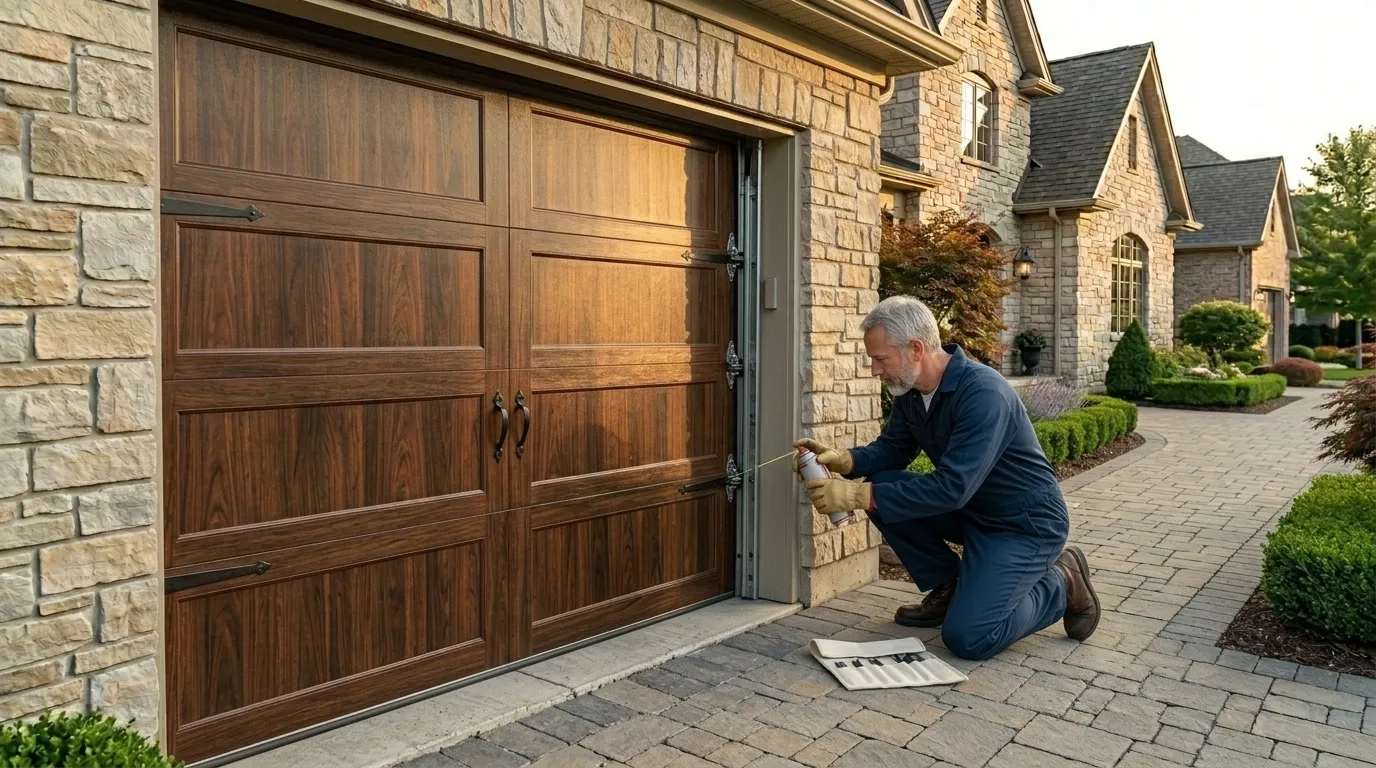
What's going on is a mismatch between when these garages were built and when insulation became something anyone specified for a garage door. With a median build year of 1961 and most of the stock across this area dating from the 1960s and 70s, the door on your house predates that entirely. Builders spec'd a single steel skin because that's what a garage door was - a moving wall, not a thermal barrier. Nobody was heating or cooling garages in 1961, so nobody paid for foam core. Decades later, plenty of these same garages have been converted to home offices, gyms, or laundry rooms, and the door never got the memo. It's still the same uninsulated panel from the original build, now sitting behind a room someone actually uses year-round. That's the real gap: not that the door is broken, but that the door was built for a use the room no longer has.
Doing Nothing For Now
Doing nothing is a legitimate choice, and for a lot of houses here it's the right one. If the garage is still just a garage - car, bikes, storage - an uninsulated 1960s-era door with sound hardware doesn't need to become a project. The mild climate means you're not fighting condensation or ice, and the median household income across this area, $86,072, tells us replacement is affordable when someone decides to do it, not that it's urgent for everyone. Where we'd push back on waiting: if the panel is separating, if the bottom seal is gone and letting water or pests in, or if you've converted the space and you're paying to heat or cool air that leaks straight through a steel skin. At that point the door isn't a maintenance item anymore, it's a monthly cost. Otherwise, an old door that still balances, seals at the bottom, and opens smoothly doesn't need touching just because it's original.
How We Can Help
Garage Door Repair
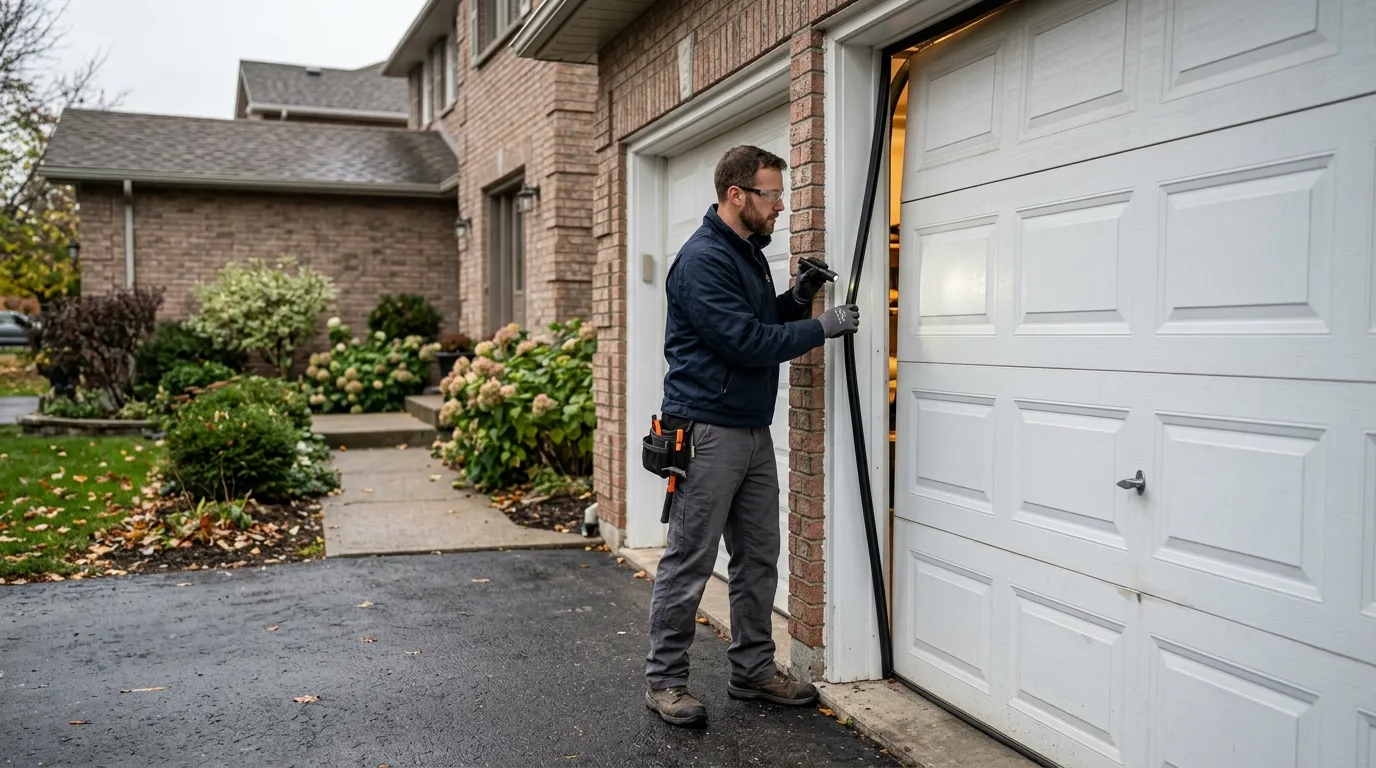
Springs, cables, tracks, rollers, and openers fixed by a tech who explains the problem before touching anything.
Learn more →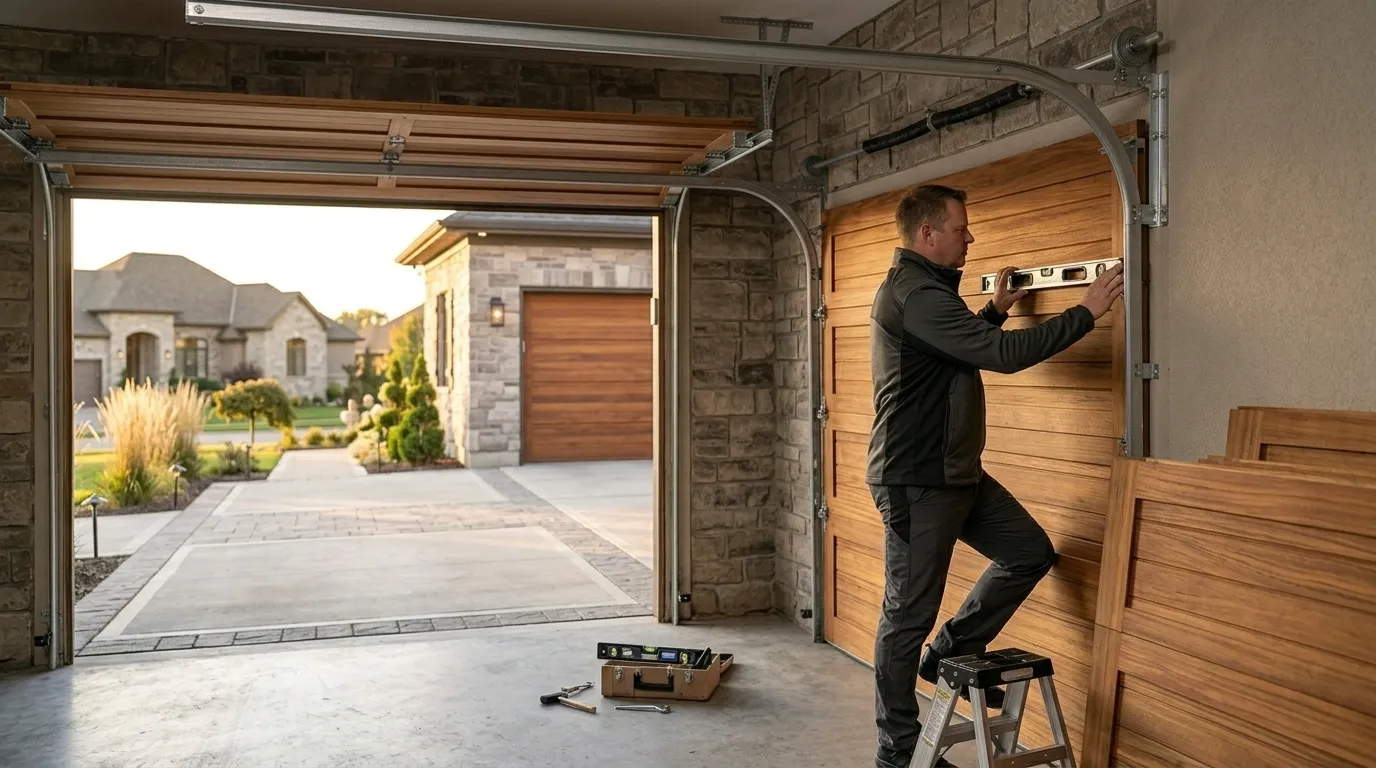
Garage Door Installation
New sectional doors sized and installed for the housing stock actually built in this area.
Learn more →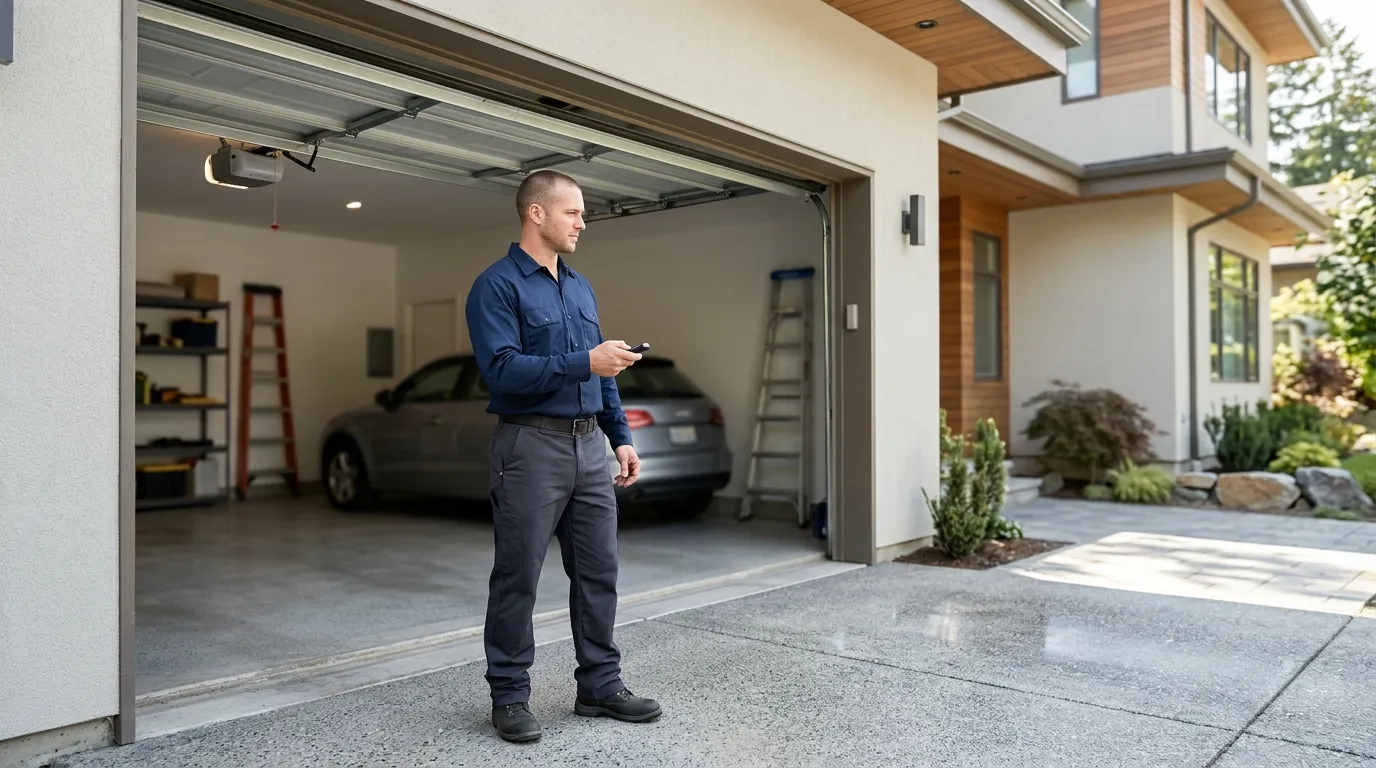
Garage Door Service
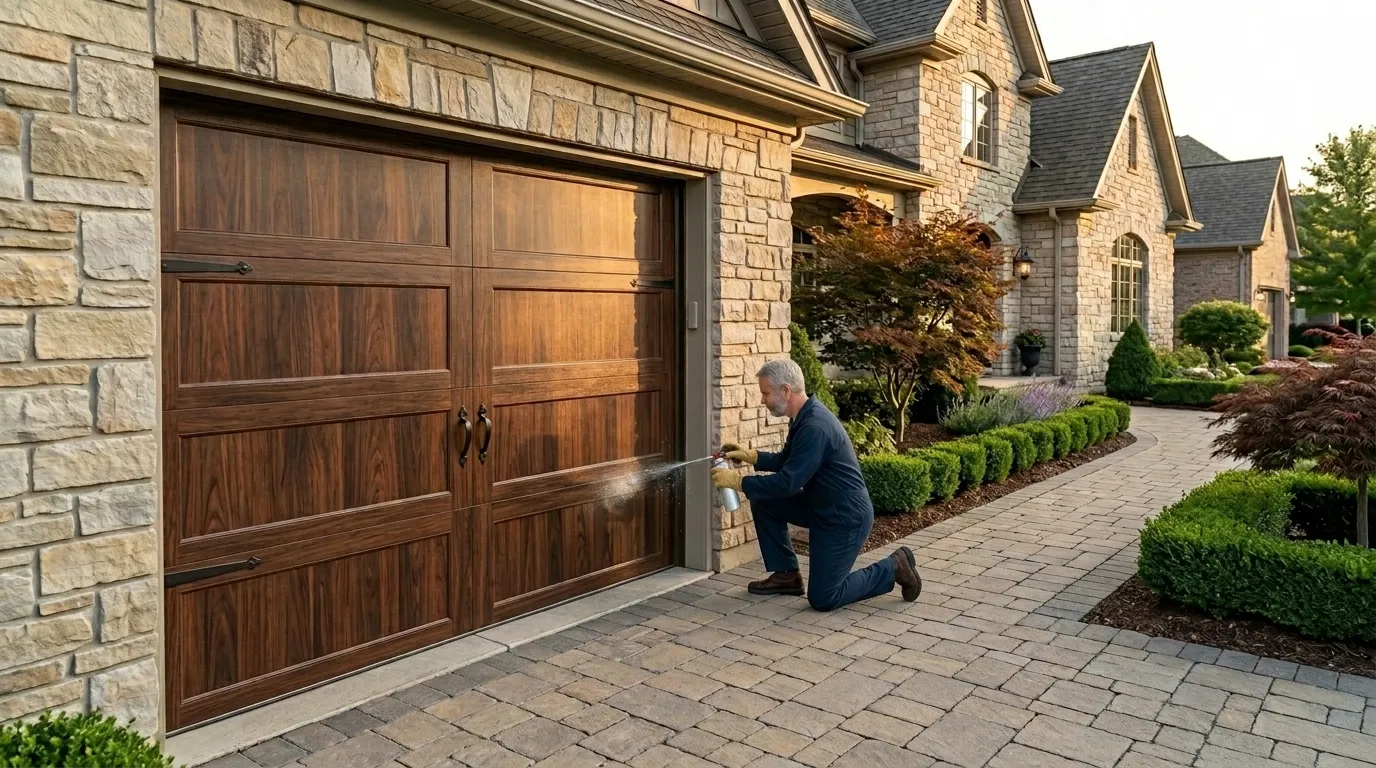
Tune-ups, lubrication, and safety checks that catch a small problem before it becomes a service call.
Learn more →Frequently Asked Questions
How do I know if my garage door has any insulation at all?
Look at the inside face of the panel. If it's bare steel or wood with nothing behind it, or a thin foil layer with no foam, it's uninsulated. Given the median build year of 1961 across this area, that's the case for a large share of original doors still in service.
Is it worth insulating an old door instead of replacing it?
Sometimes. If the panel is straight, the hinges and track are sound, and it's just missing a thermal layer, an insulation kit can help. If the steel is rusted through or the panel has started to warp, insulating it is wasted labor - replacement is the honest answer at that point.
Why hasn't my 1960s garage door ever failed?
The mild temperate climate here is easy on steel and wood. Without freeze-thaw cycles or sustained humidity, an original panel can run for decades without the rust-through or warping that ends doors faster in harsher climates.
Have a Door That Needs a Second Opinion?
Call and describe what it is doing - we will tell you what it likely is.