
Los Angeles Garage Door Guide
When an Old LA Garage Door Is Still Worth Fixing
A guide for LA homeowners with 1960s-era garage doors: what to check, what the mild coastal climate does to old hardware, and when repair still makes sense.
- Licensed & Insured
- Same-Area Service Calls
- Upfront Pricing
What to Check
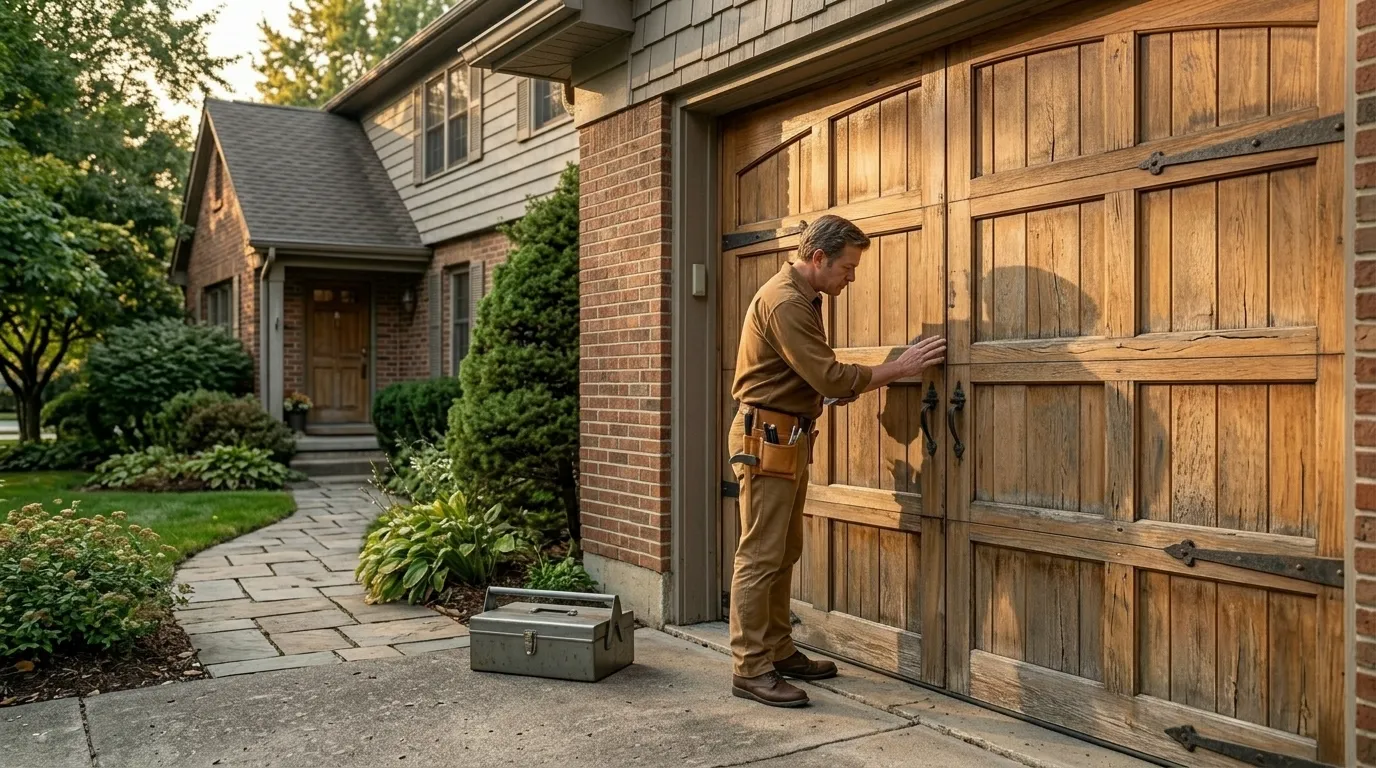
Start with the track and the rollers, not the panel. Around Los Angeles, most housing went up between 1943 and 2012 with a median build year of 1961, which means a huge share of doors in Palms, Cheviot Hills, Rancho Park, and the streets near Culver City are original steel sectional doors on galvanized track that's outlived a couple of openers already. Push the door up by hand with power off. If it's smooth and stays where you leave it, the spring is doing its job and you're likely looking at a roller or hinge repair, not a full swap. If it drops or feels heavy at the bottom third, the torsion spring is losing tension - normal after decades of cycles, not a sign the whole door is done. Check the bottom panel for rust or delamination at the seams. Wood-look composite doors from the 1960s and 70s that never got repainted often fail there first, well before the steel frame gives out. A door with a sound frame and a tired spring is a repair. A door with a rotted bottom panel and a bent track is usually not.
What Local Conditions Do
Los Angeles sits in a mild temperate band, and that cuts both ways for a garage door. There's no freeze-thaw cycle snapping cables or cracking vinyl seals the way it would in a harsher climate, so hardware here tends to wear out from age and salt-laden coastal air rather than sudden failure. Areas closer to Marina del Rey and Playa Vista see more of that airborne moisture, which speeds up rust on springs and unprotected hinges even without a single freeze. Inland toward Baldwin Hills or Century City, the bigger issue is UV - decades of sun bake wood composite panels and dry out the rubber weatherstrip at the bottom. Because the climate doesn't force yearly seasonal damage, an older door here can go a long time on nothing but a spring adjustment and fresh lubrication, which is exactly why so many original 1960s doors are still running instead of landfill.
What Is Going On
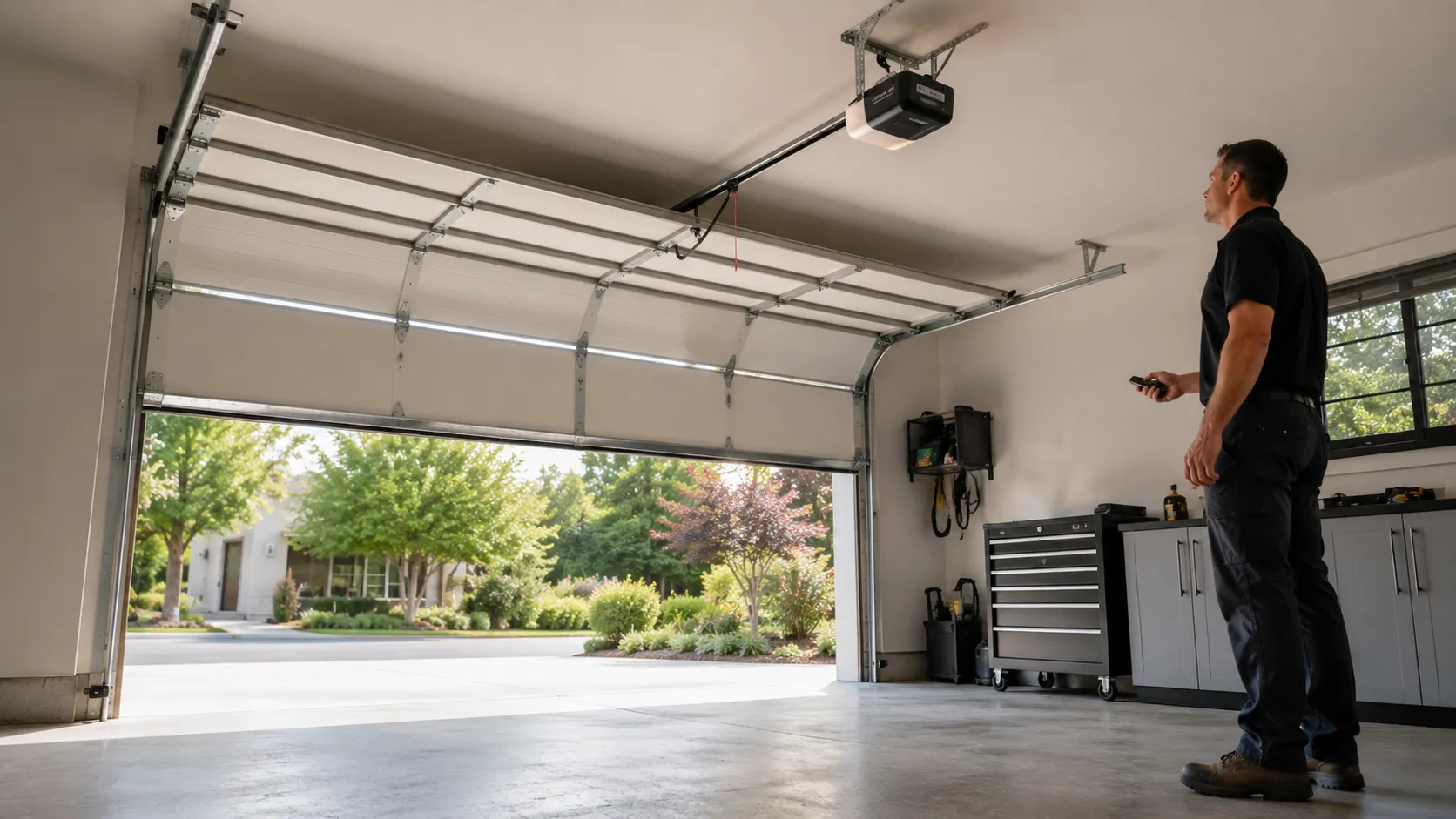
When we get called out on an older door in this area, the pattern usually traces straight back to the housing stock. A door built when the house went up in the early 60s was engineered for the openers and spring tension standards of that era, not for today's heavier insulated panels or the openers installed by a previous owner sometime in the last 20 years. That mismatch is what actually breaks things - an opener pulling more than the original spring calibration was ever meant for wears out the drive gear early and stresses the track. It's not that the door is simply
How We Can Help
Garage Door Repair
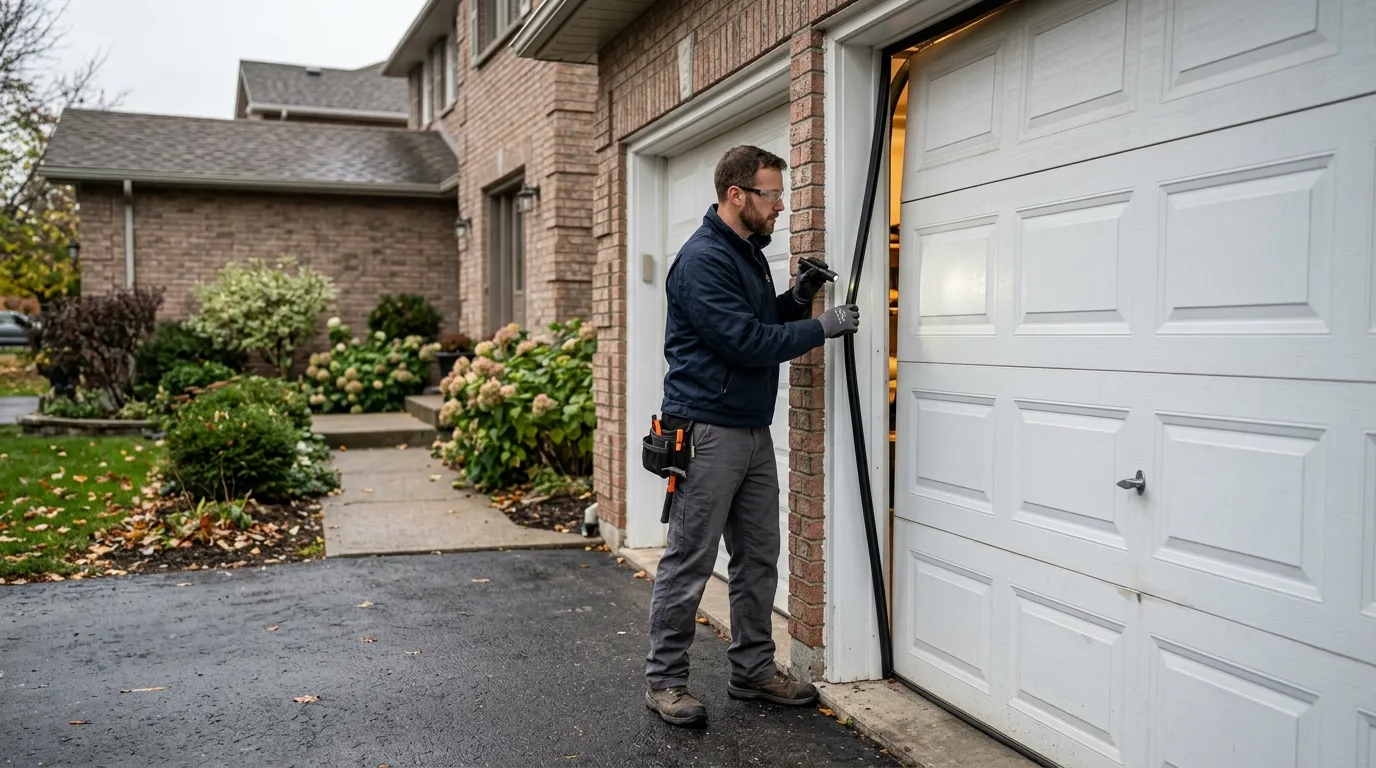
Springs, cables, tracks, rollers, and openers fixed by a tech who explains the problem before touching anything.
Learn more →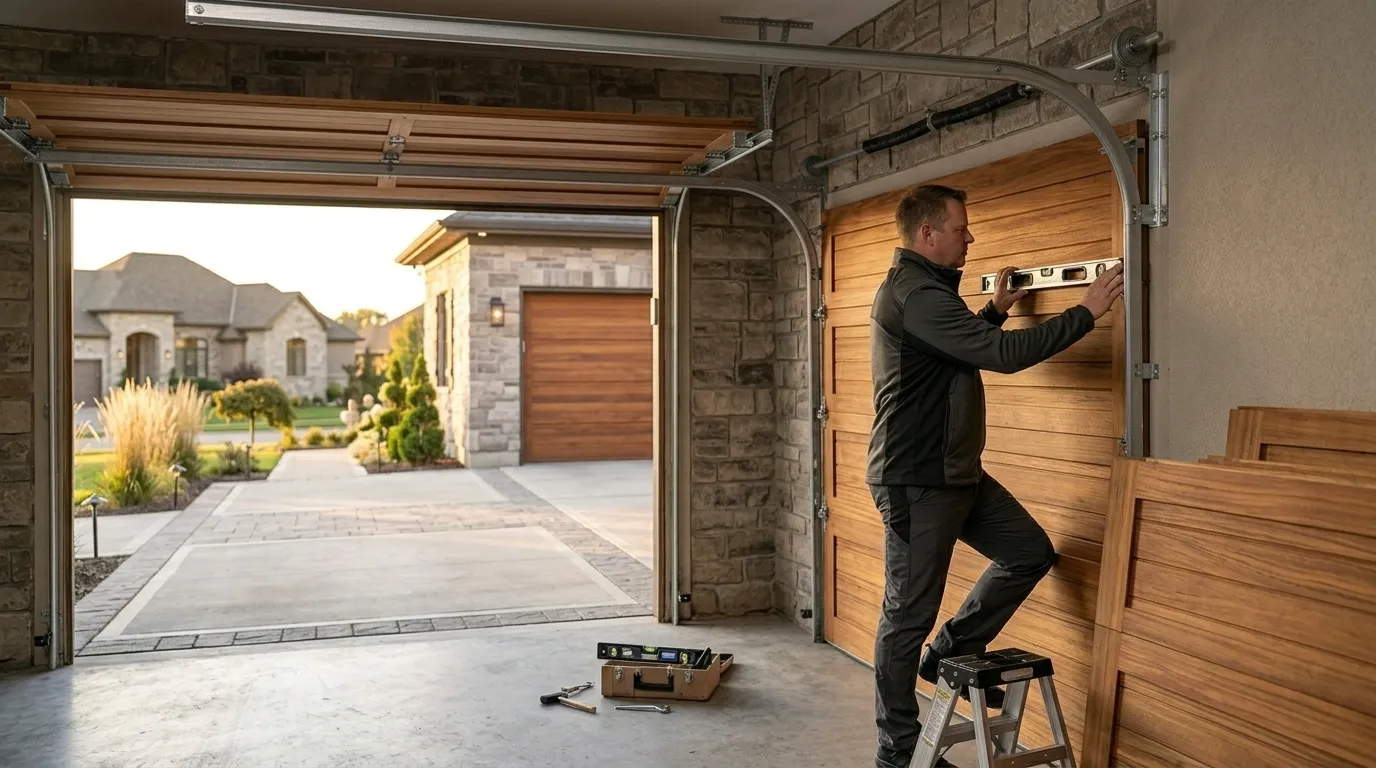
Garage Door Installation
New sectional doors sized and installed for the housing stock actually built in this area.
Learn more →
Garage Door Service
Tune-ups, lubrication, and safety checks that catch a small problem before it becomes a service call.
Learn more →Frequently Asked Questions
Is it worth fixing a garage door from the 1960s instead of replacing it?
Often yes, if the frame and track are straight and the panel isn't rotted or badly rusted. A lot of the 1960s-era steel doors around Los Angeles are still structurally sound - the failures we see are usually springs, rollers, or a mismatched opener, all repairable without touching the door itself.
Why do garage doors near the coast wear out faster here?
Salt air moving in from Marina del Rey and the coastal side of the service area speeds up rust on springs and hinges, even though the mild climate here means no freeze-thaw damage. Inland, sun exposure on composite panels tends to be the bigger factor instead.
Should I replace the opener along with an old door?
Not automatically. If your door was original to a house built in the 1960s and someone added a newer opener later, the mismatch between opener strength and old spring tension is often the actual problem - sometimes a spring recalibration fixes it without a new opener.
Have a Door That Needs a Second Opinion?
Call and describe what it is doing - we will tell you what it likely is.