
Los Angeles Garage Door Guide
What Happens When You Call Us Out in Los Angeles
See what a garage door service call covers in Los Angeles, from spring and opener checks on 1960s-era homes to track wear from mild coastal weather patterns.
- Licensed & Insured
- Same-Area Service Calls
- Upfront Pricing
What to Check
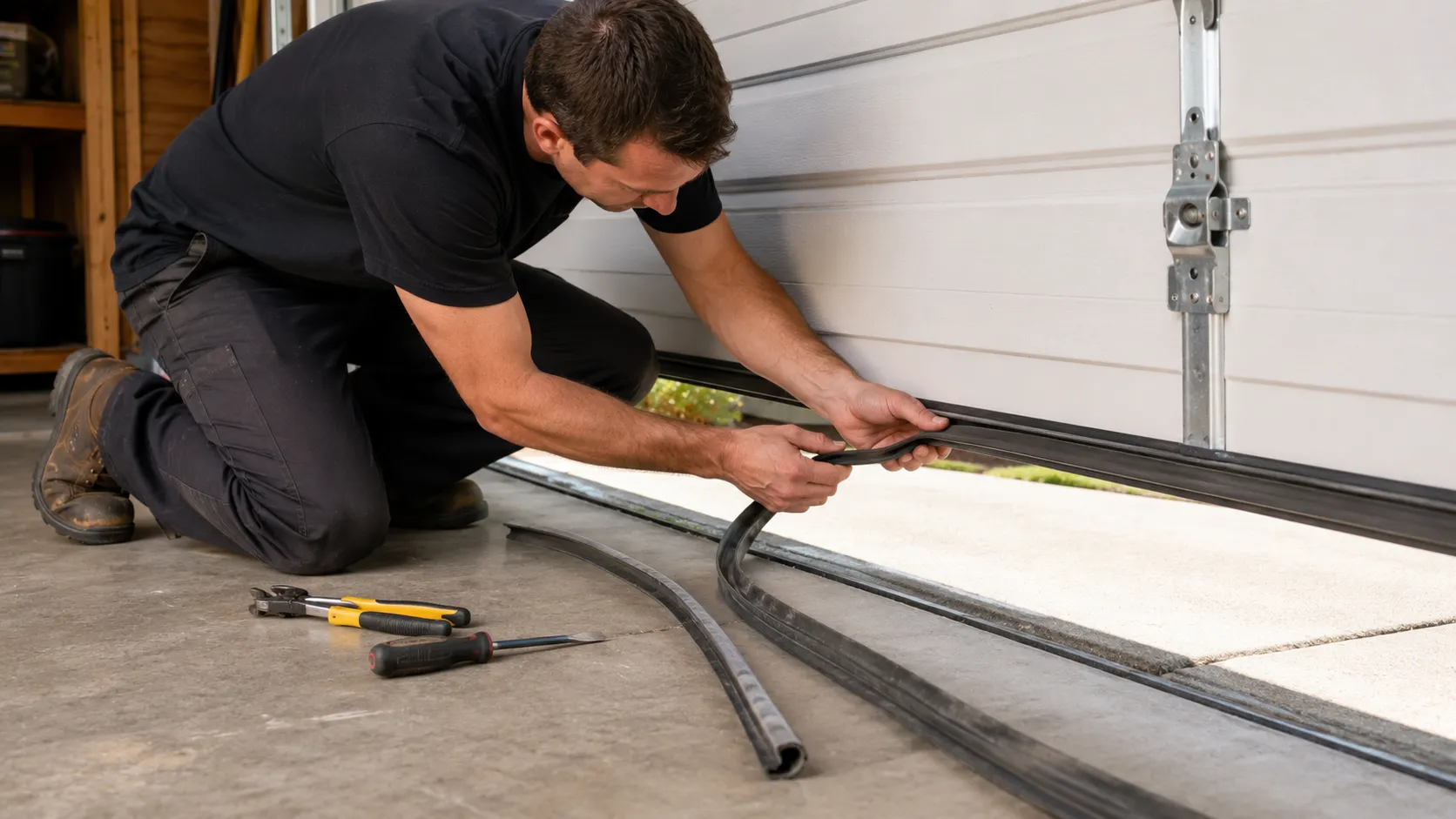
Most of the houses we get called to across this service area went up between 1943 and 2012, with the median build year sitting around 1961. That matters because a service call here isn't a generic once-over - it's checking what a house from that era actually has hanging in the garage. A lot of the 52 named neighborhoods we cover, from Palms and Cheviot Hills right up near the shop to Mar Vista and Rancho Park a couple miles out, still run original torsion setups on side-mounted hardware, or a panel door that's been repainted twice but never re-sprung. We check the torsion spring winding and cable condition first, since that's the part most likely to fail without warning on a door this age. Then the track alignment, roller wear, and whether the opener is original to the door or a retrofit. On a 1960s-70s door, the opener is almost always the newer piece - the door itself came first. We also check panel seams and hinges for the kind of fatigue that shows up after fifty-plus years of daily use, even in a climate that's been easy on the metal. None of this is a guess. It's what the housing stock in this part of Los Angeles tells us to look for before we touch anything.
What Local Conditions Do
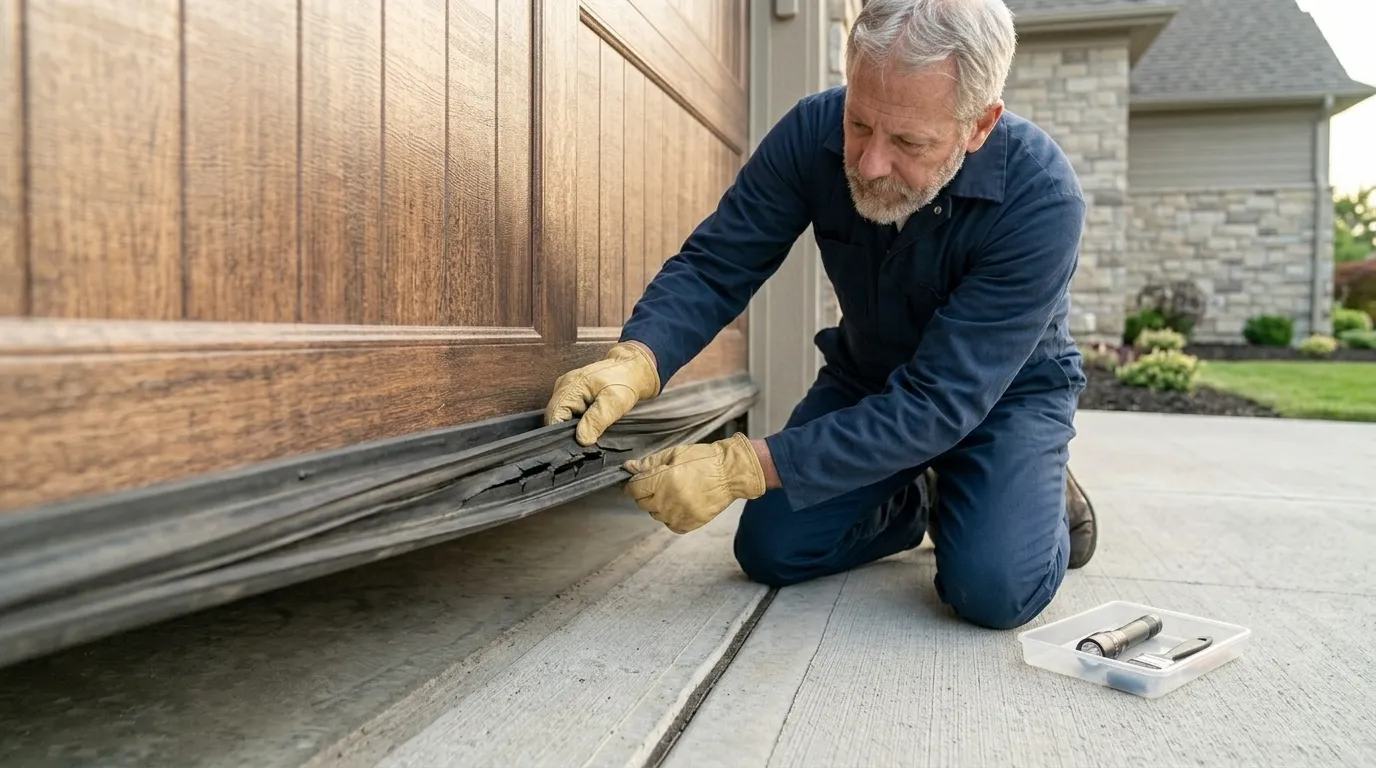
Los Angeles sits in a mild temperate band, and that cuts both ways for a garage door. You don't get the freeze-thaw cycling that cracks concrete slabs or seizes hardware overnight, so springs and tracks here tend to fail from fatigue and age rather than from a cold snap. That's the good news. The trade-off is steady exposure - doors closer to the coastal side of our service area, toward Marina del Rey and Playa Vista, deal with more salt-tinged air and marine moisture year-round, which shows up as surface corrosion on hinges and bottom brackets even when the spring itself is fine. Further inland, toward Culver City and the Baldwin Hills side, the bigger factor is just sun. UV breaks down weatherstripping and can warp older wood-panel doors faster than the metal parts fail. A service call in this climate isn't about storm damage - we're not chasing hail dents or ice-jammed tracks. It's about slow wear that's easy to ignore because nothing ever forces the issue the way a hard winter would elsewhere. That's exactly why a lot of the doors we open up are worse off than the owner expected.
What Is Going On
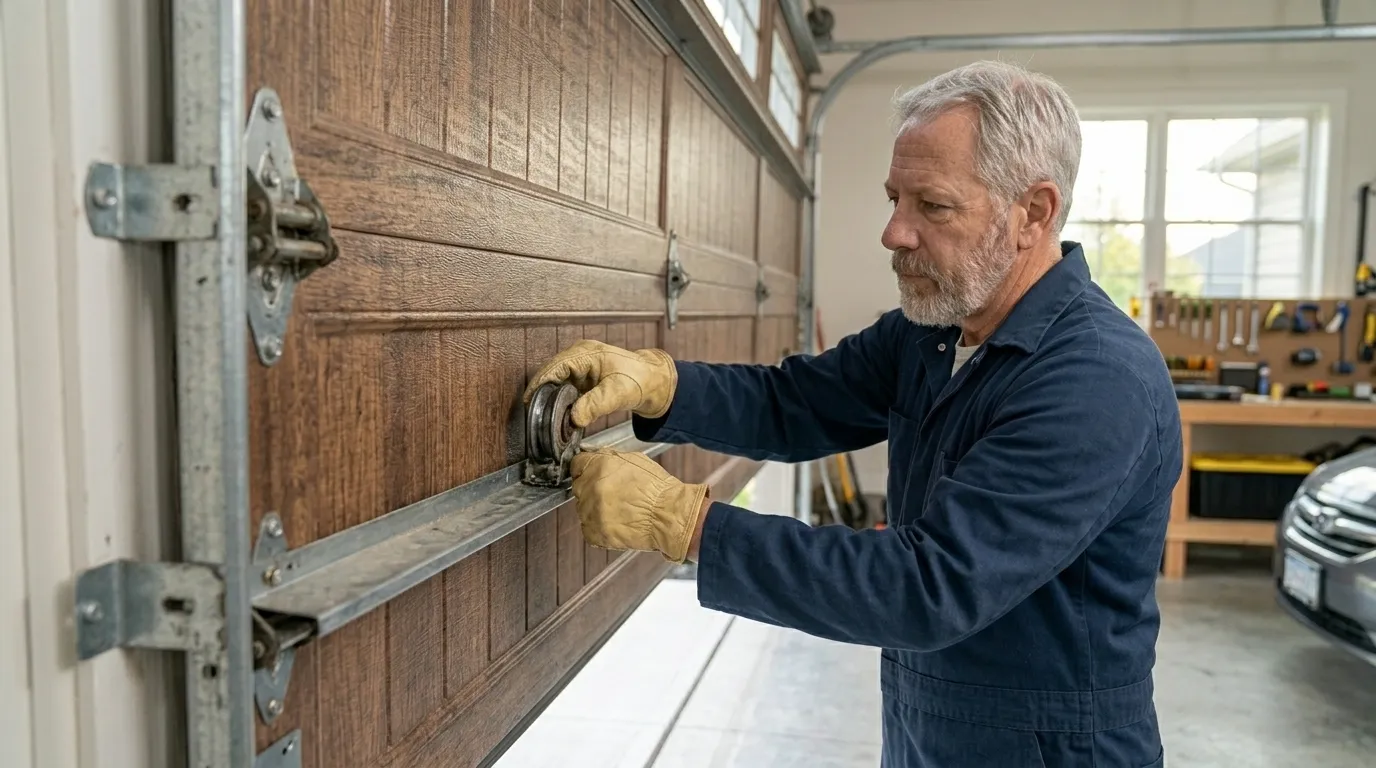
On most calls in this area, what's actually going on traces back to the age of the door matching the age of the neighborhood. A door installed when the house was built in, say, 1961 has had six decades to work its springs through their rated cycle count, and torsion springs don't fail gracefully - they let go. If the opener has been swapped out more recently but the door and track are original, you get a mismatch: a modern opener straining against old, worn hardware, which reads to the owner as "the opener is broken" when the real problem is upstream. We also see a fair number of houses across the wider service area, out toward Gardena, Torrance, and Hawthorne, where additions or garage conversions changed the opening size without anyone touching the door counterbalance. That's not damage, it's a mismatch that's been sitting there since the work was done. None of this is dramatic. It's mechanical parts doing exactly what mechanical parts do after decades of use in a climate that never forces a failure point the way extreme weather would. The job on a service call is figuring out which piece in that chain is the one actually giving out.
Doing Nothing For Now
Here's the honest part: not every call needs a repair that day. If a spring is original but still within a reasonable range of its cycle life and shows no fraying, we'll tell you that instead of replacing it just because it's old. We don't push replacement on a door that's functioning, and we won't quote a full system swap when the fix is a bent roller. The flip side is real too - once cable fraying or rust has gone past a certain point on an older door, patching it is a short-term move that costs more over two visits than one proper repair would have. We don't have pricing to quote here without seeing the door, so we're not going to guess at a number for your situation. What we can tell you is that across a service area with 200,536 owner-occupied houses and a housing stock this old, waiting on a worn spring rarely ends with the door lasting longer - it usually ends with a call after the spring lets go with the door halfway up.
How We Can Help
Garage Door Repair
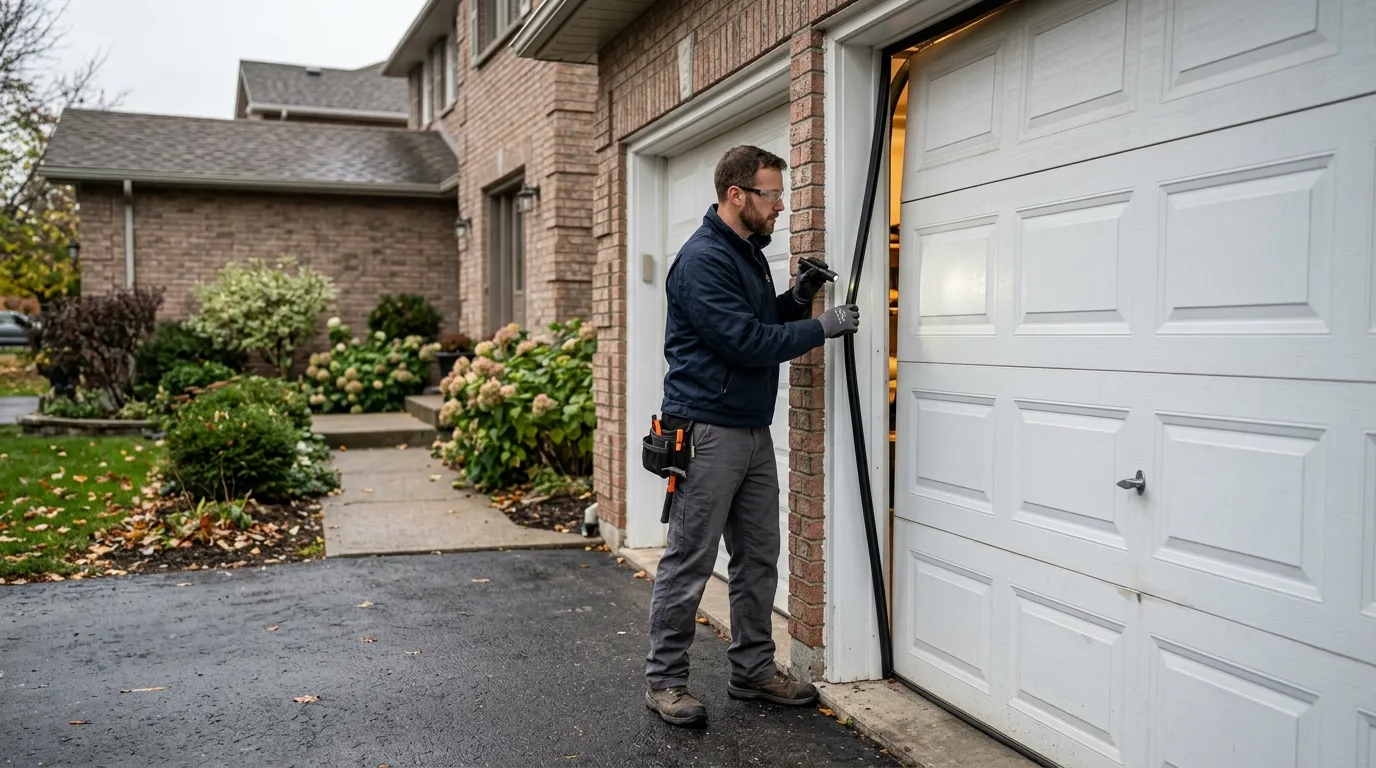
Springs, cables, tracks, rollers, and openers fixed by a tech who explains the problem before touching anything.
Learn more →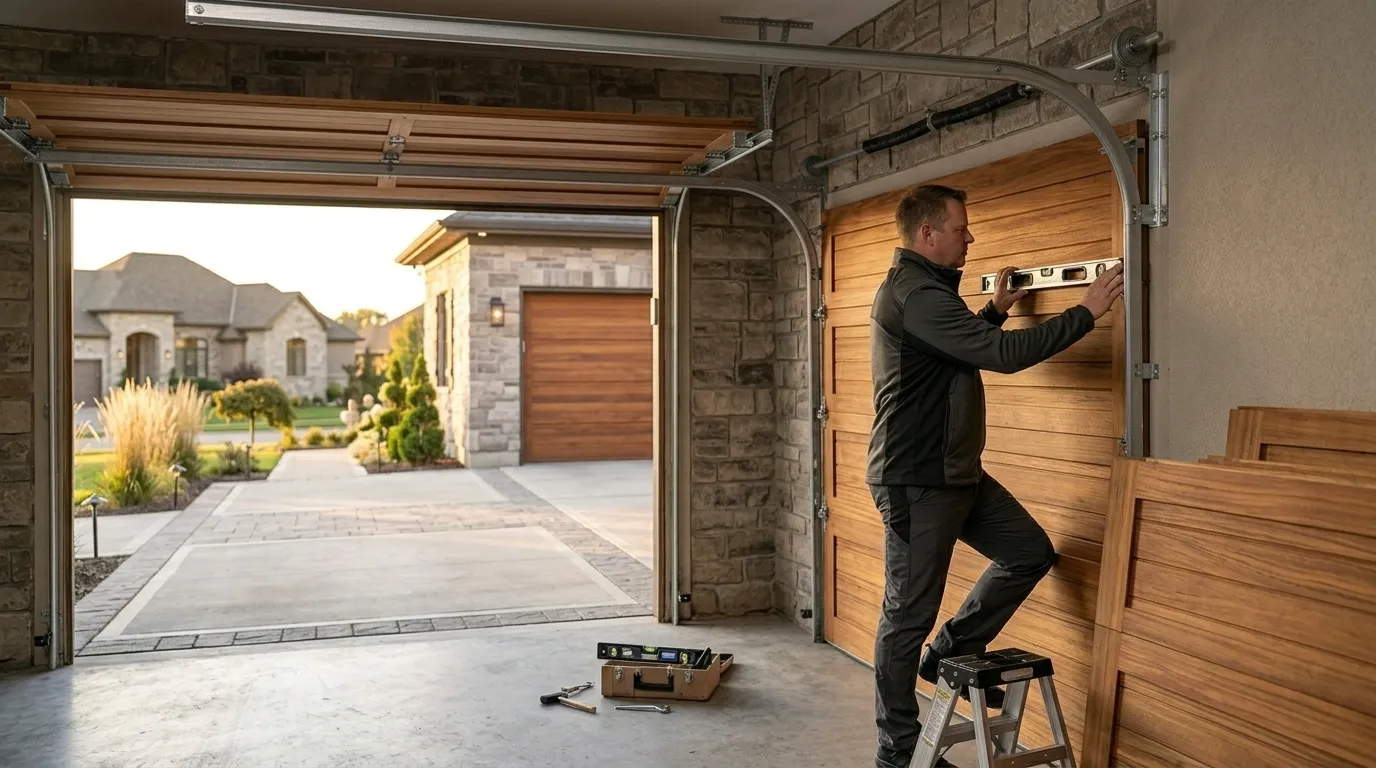
Garage Door Installation
New sectional doors sized and installed for the housing stock actually built in this area.
Learn more →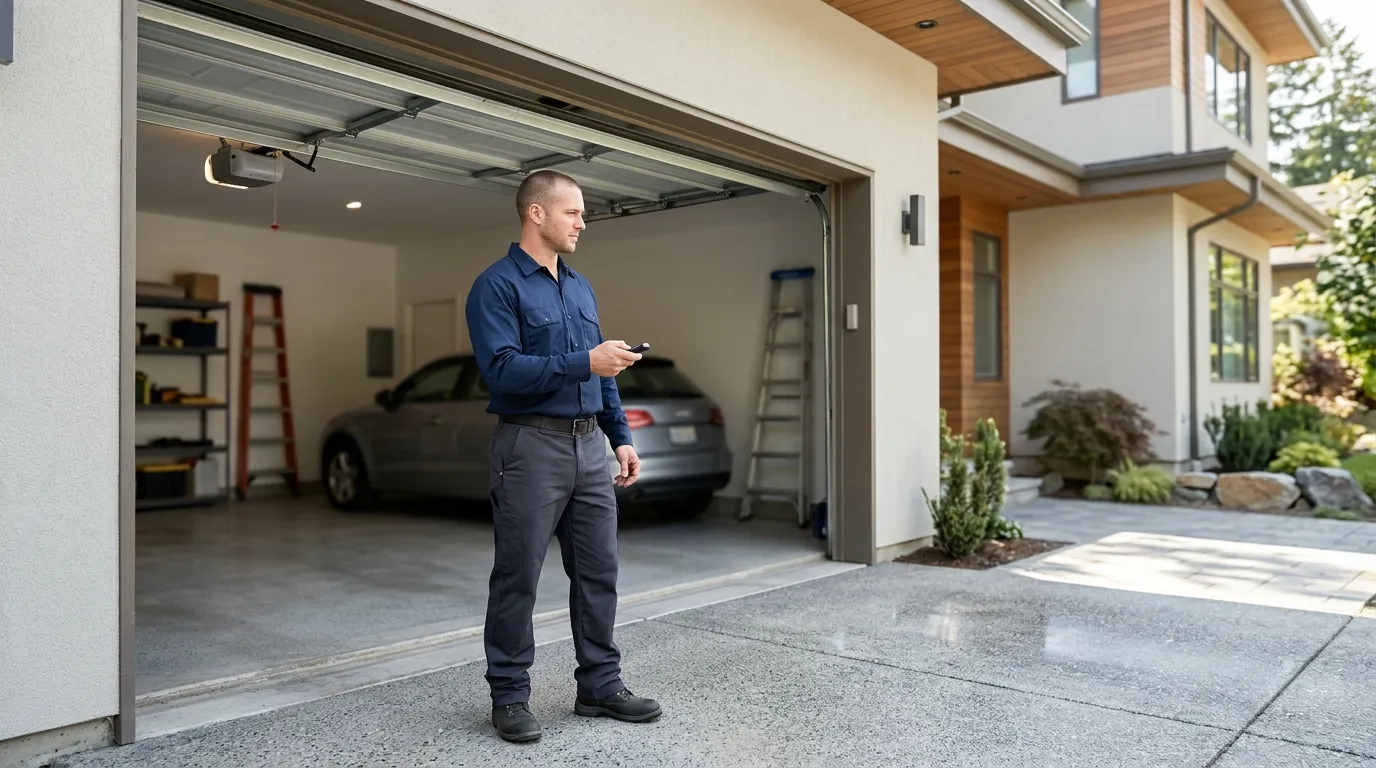
Garage Door Service
Tune-ups, lubrication, and safety checks that catch a small problem before it becomes a service call.
Learn more →Frequently Asked Questions
Do older garage doors in Los Angeles need different parts than newer ones?
Often yes. A lot of houses in this service area were built between the 1960s and 70s, and doors from that era commonly run side-mounted torsion springs and hardware sizes that newer big-box doors don't use. We carry parts for that older hardware because so much of the local stock still has it.
Does the mild climate here mean less garage door maintenance?
It means a different kind of wear, not less of it. Los Angeles doesn't get freeze-thaw damage, but steady UV exposure and, closer to the coast, salt air still wear down weatherstripping, hinges, and bottom brackets over the years. The door still ages, just from different causes.
How do I know if my spring is original to the house?
If your house was built decades back and the spring has never been replaced, it's likely original or close to it. We check the winding style and hardware on the call and can tell you where it sits relative to typical service life for a door of that age.
Have a Door That Needs a Second Opinion?
Call and describe what it is doing - we will tell you what it likely is.