
Los Angeles Garage Door Guide
Weather Seals and Draughts: A Los Angeles Homeowner's Guide
A look at why weather seals fail on Los Angeles garage doors, tied to the area's 1960s housing stock and mild temperate climate, plus what to check and what to leave alone.
- Licensed & Insured
- Same-Area Service Calls
- Upfront Pricing
What to Check
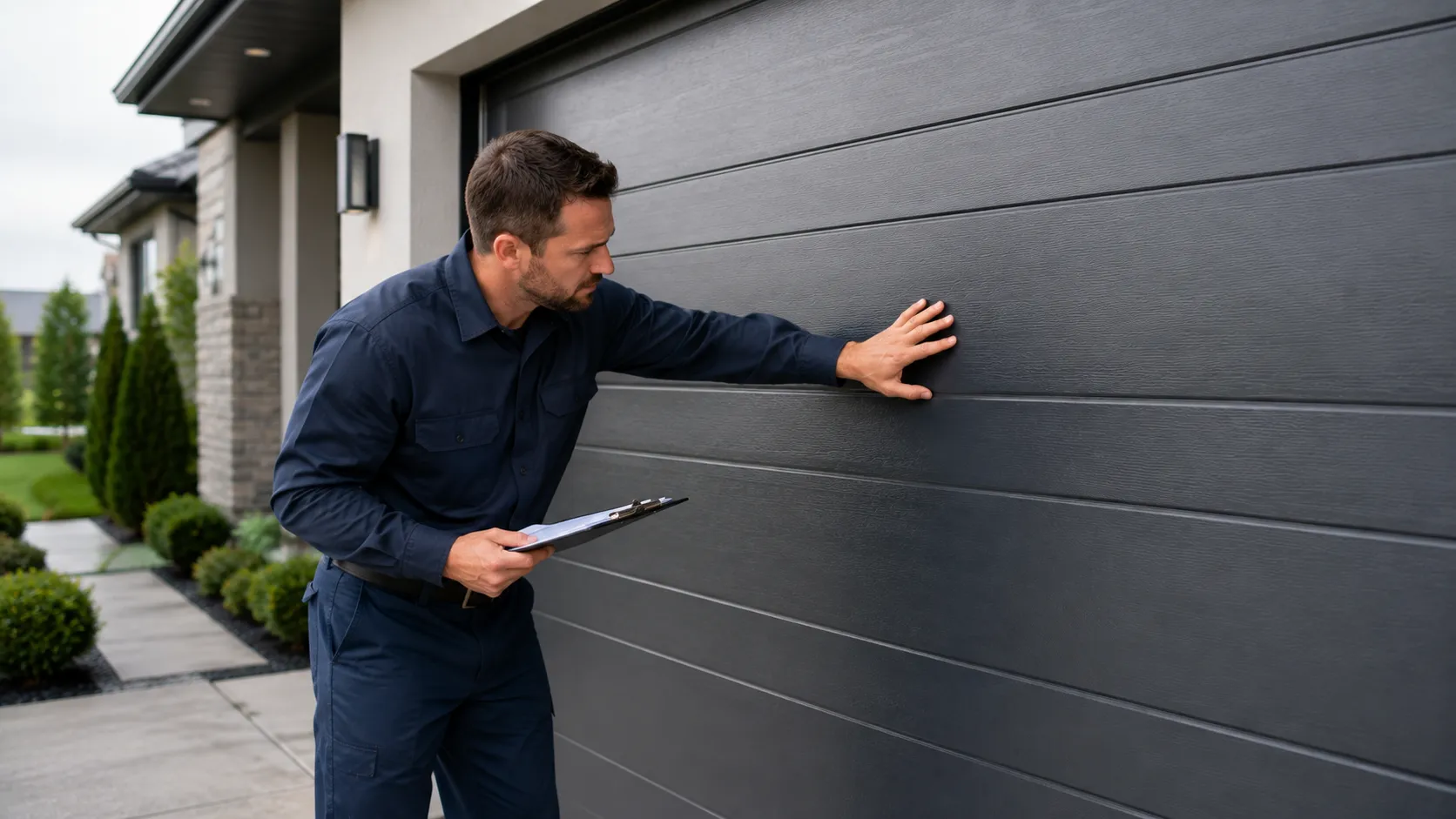
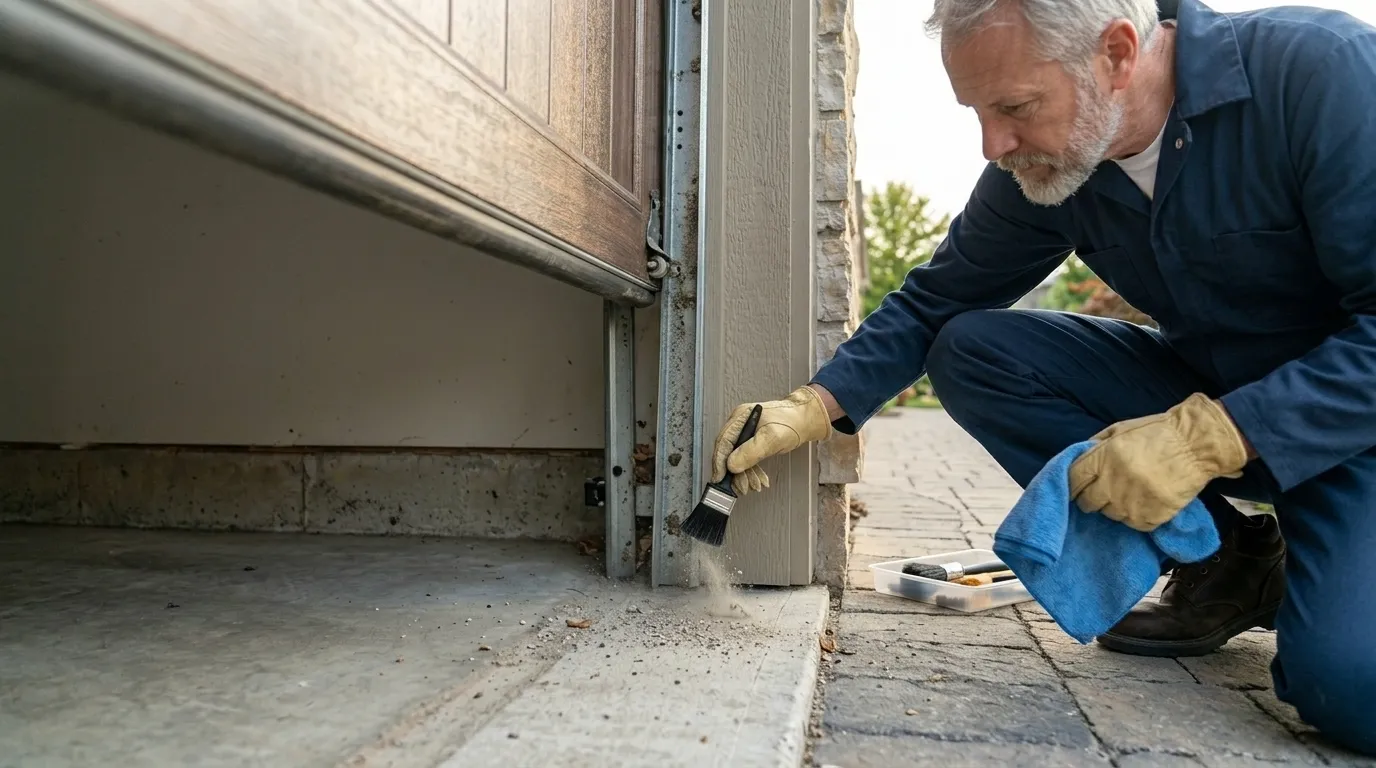
Start at the bottom of the door. That's the seal that takes the most abuse - it sits on concrete, gets driven over by tires, and bakes in direct sun for years. Run your hand along it. If it's stiff, cracked, or flattened on one side, it's not sealing anything, it's decoration.
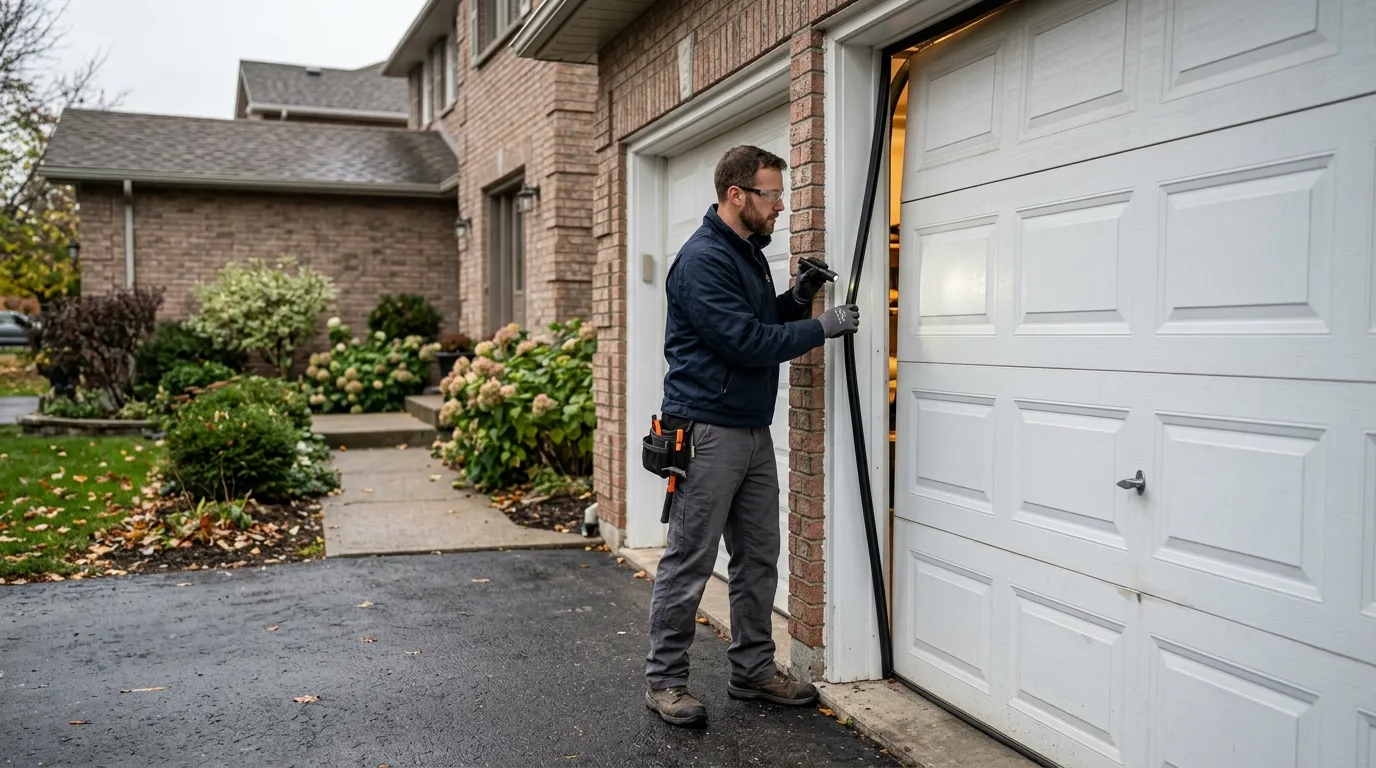
Next, check the side and top weatherstripping where the door meets the frame. On a lot of the doors around here, built when the median construction year was 1961, that track channel is narrower than what today's standard vinyl-bulb retrofit kits are made for. A seal that looks fine in the package can still leave a gap once it's pressed into an older track.
Look at the threshold too, especially if the slab has settled or cracked over the decades - that's common on housing this old. A worn bottom seal over an uneven slab won't close the gap no matter how new the rubber is.
Last, check the corners where panels meet. Warping there usually means the seal isn't the actual problem - the panel is.
What Local Conditions Do
This area sits in a mild temperate band, so you're not dealing with the freeze-thaw cycle that cracks rubber seals apart in a single winter somewhere colder. That's the good news. The seals here don't split from ice.
What they do face is sustained UV and dry heat, day after day, year after year, with no real cold season to slow the degradation. Vinyl and rubber both harden and shrink under that kind of steady sun exposure, and it happens quietly - no dramatic crack, just a slow loss of contact with the floor and frame until one day there's daylight showing under the door.
Because the climate doesn't force big seasonal swings, a lot of owners don't think about their seals until they notice dust, leaves, or a draft coming through - by which point the seal has usually been failing for a couple of years already. Mild weather doesn't mean no maintenance. It means the failure is slower and easier to miss.
What Is Going On
Housing in this service area runs from 1943 up through 2012, but the bulk of it - across the named neighborhoods this company covers - is 1960s and 70s stock. In Palms and Cheviot Hills, both under two miles out, you'll find the same era of construction repeating block after block, and the same original door hardware still hanging in a lot of garages.
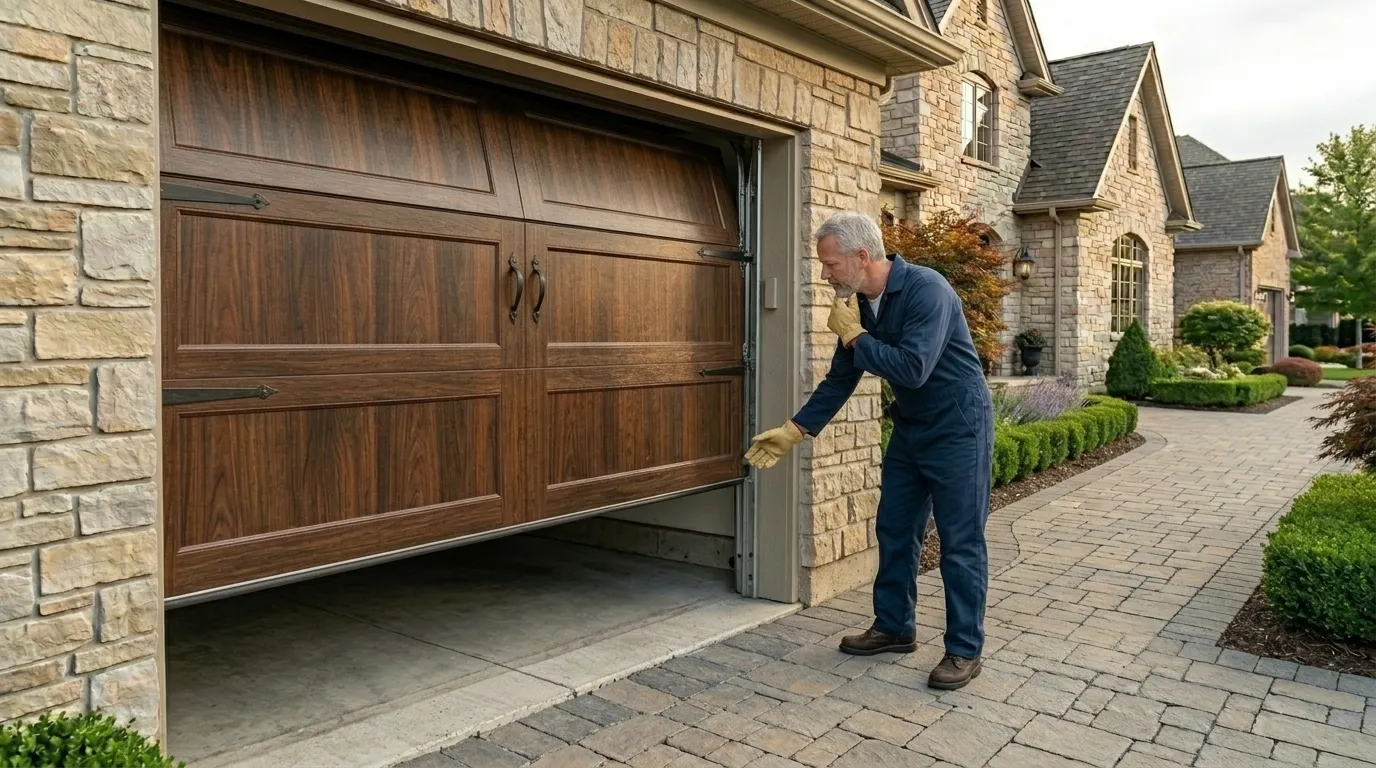
That matters for seals because a door from that era and a door from the 2000s don't fail the same way. An older door often has a wood jamb that's shrunk slightly over sixty years, so even a brand-new seal can't fully close the gap without a shim or a jamb adjustment first. A newer door usually just needs the seal itself swapped.
Across the 52 named areas this stock spans, the pattern holds pretty consistently: doors built mid-century rarely got a proper weatherproofing upgrade - most got a strip of foam tacked on at some point and never revisited. That's not a seal doing its job. That's a stopgap that's been there for decades.
Doing Nothing For Now
Here's the honest part: a bad seal in this climate is rarely an emergency. You're not going to get a frozen door or burst pipes from a gap at the bottom of the panel. If the draft is minor and you're not seeing daylight or finding debris inside, it's fair to let it ride for a season.
What we don't do is stock every seal profile for every track width going back to 1943. Some of the older jamb setups need a special-order piece, and that adds time to the job rather than a same-day fix. If your door is one of the newer ones in this range, closer to 2000s construction, standard kits usually fit without trouble.
The one thing worth not putting off: if the gap is letting in enough air that you can feel it standing in the garage, or if you're seeing rodent activity, that's past the point where it's just cosmetic. At that stage the fix is small. Wait long enough and moisture or pests start working on the panel itself, and that's a different job entirely.
How We Can Help
Garage Door Repair
Springs, cables, tracks, rollers, and openers fixed by a tech who explains the problem before touching anything.
Learn more →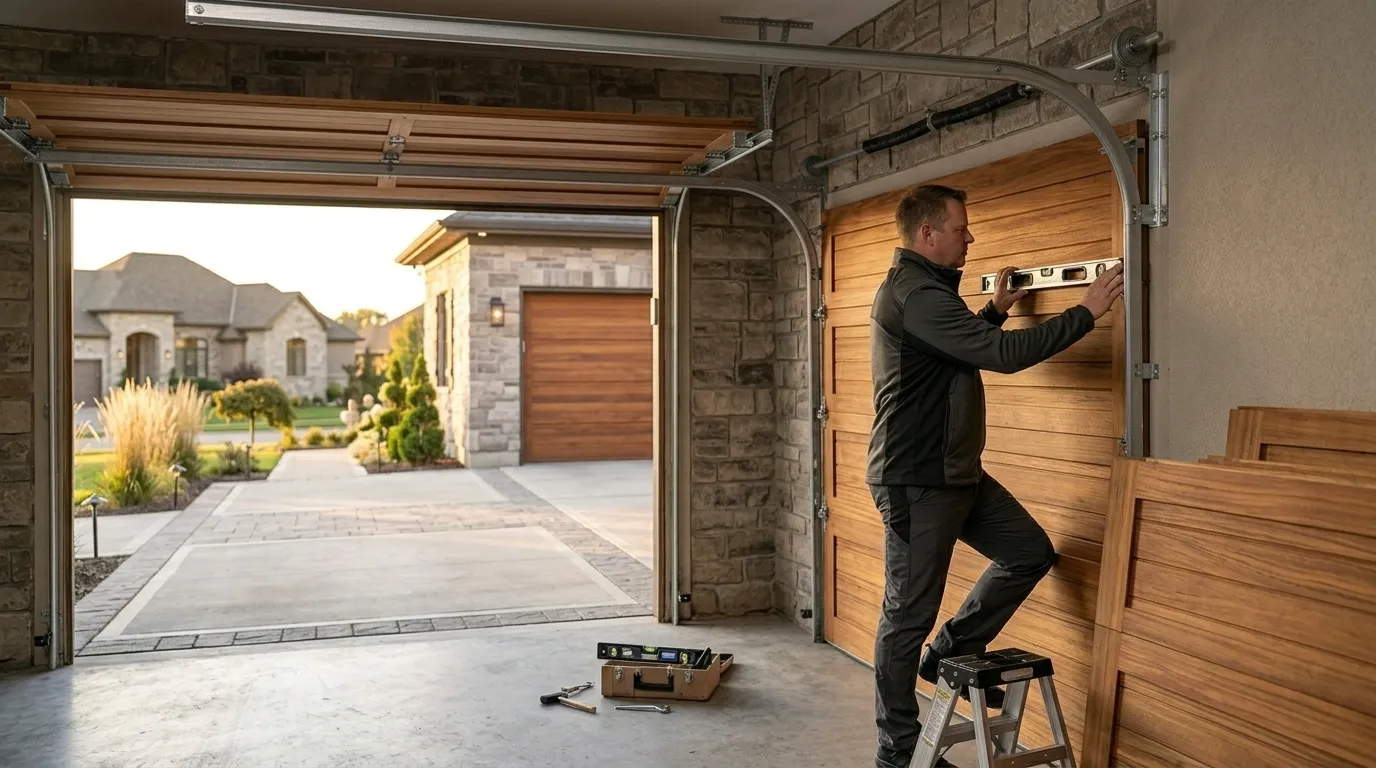
Garage Door Installation
New sectional doors sized and installed for the housing stock actually built in this area.
Learn more →
Garage Door Service
Tune-ups, lubrication, and safety checks that catch a small problem before it becomes a service call.
Learn more →Frequently Asked Questions
Why does my garage door have a gap at the bottom even though the seal looks new?
On older tracks - common in housing built around the 1960s median age here - the jamb can be slightly out of true after decades of settling. A new seal presses against an uneven surface and still leaves a gap. Usually it needs a shim or a small jamb adjustment alongside the new seal, not just the seal by itself.
Do I need a different seal for an older door versus a newer one?
Often, yes. Doors from the 1960s and 70s frequently have narrower track channels than doors built in the 2000s, so a standard vinyl-bulb kit made for modern doors doesn't always seat right. Some older setups need a specific profile, which can mean a short wait for the part rather than a same-visit swap.
Is a draft under my garage door urgent in this climate?
Not usually. The mild temperate conditions here mean you're not risking frozen pipes or ice damage from a small gap. It's worth fixing before it gets worse, but a minor draft can wait a season if needed. Daylight showing through or signs of pests getting in are the point where it's worth moving sooner.
Have a Door That Needs a Second Opinion?
Call and describe what it is doing - we will tell you what it likely is.