
Los Angeles Garage Door Guide
When the Power Cuts Out: Openers in Older Los Angeles Garages
In Los Angeles, homes built between 1943 and 2012 carry openers wired to circuits built for a different era. Here's what a power cut actually does to yours.
- Licensed & Insured
- Same-Area Service Calls
- Upfront Pricing
What to Check
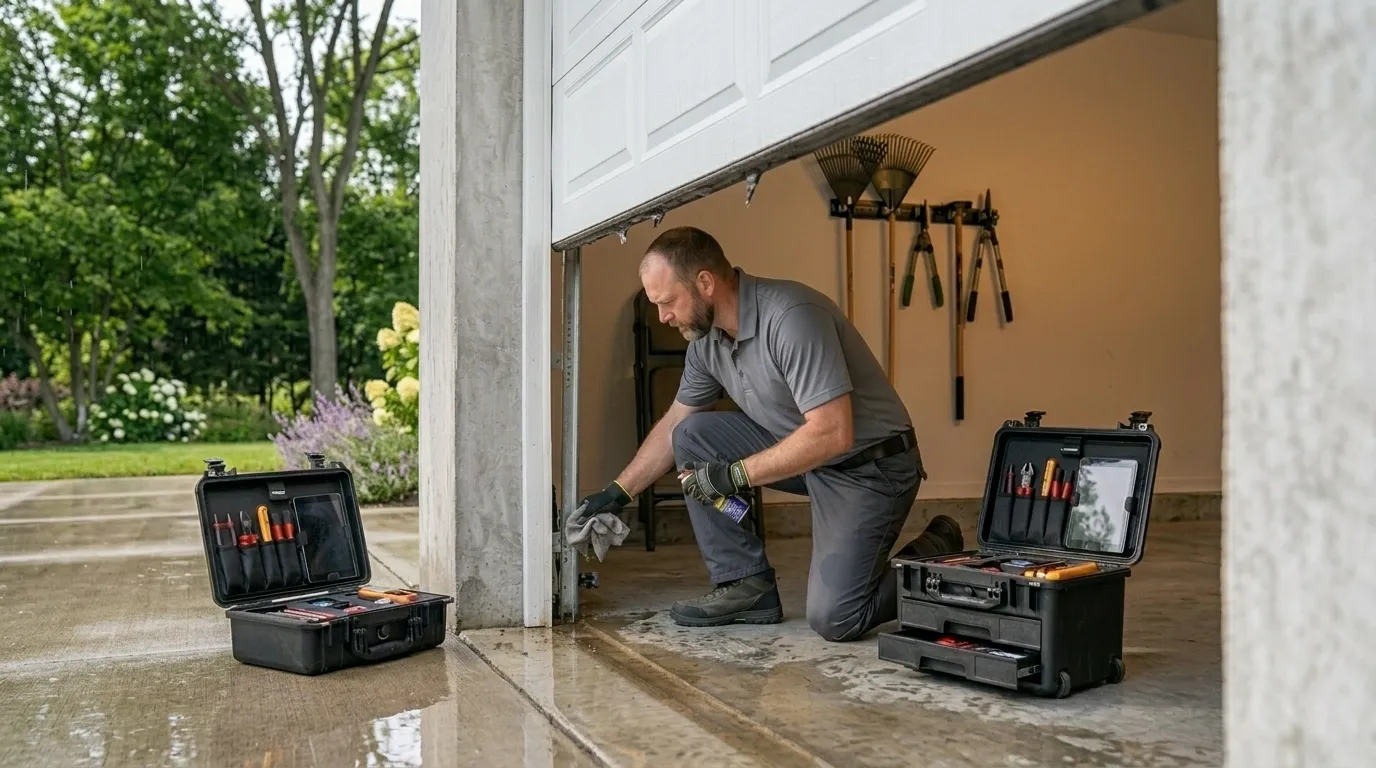
Start with the release cord - the red handle hanging from the trolley rail. Pull it and try lifting the door by hand. If it moves smoothly with one hand, the springs are doing their job and the opener was only ever handling the last few pounds. If it's heavy or drags, that's a spring problem hiding behind an opener problem, and no amount of battery backup fixes that.
Next, check the outlet the opener plugs into. In a lot of the housing stock here, built with a median year of 1961, that garage outlet sits on the same circuit as exterior lighting or an old sub-panel that was never upgraded when the opener itself got replaced. Look for a dedicated circuit versus a shared one - it matters when the power comes back on and several things try to draw at once.
Last, check if your opener has a battery backup unit at all. Plenty of openers in this area predate that feature entirely, especially in the 1960s-70s stock that makes up most of the 52 named neighborhoods this company works across. If yours doesn't have one, the manual release is your only option during an outage, not a backup - the only plan.
What Local Conditions Do
Los Angeles sits in a mild temperate band, and that cuts both ways for openers. You're not dealing with the freeze-thaw cycles that crack capacitors or the heat spikes that cook motor windings in harsher climates, so the opener itself tends to last on its own mechanical terms rather than dying from weather stress. That's the good part.
The less good part is that mild weather doesn't put pressure on homeowners to modernize garage electrical the way a brutal winter forces a furnace replacement. A lot of garages here still run on the wiring installed when the house went up - median 1961 across this stretch - because nothing ever forced the issue. The opener gets swapped every decade or two, but the outlet, the breaker, and the run of wire behind the wall usually don't.
So when the power drops, what you're really dealing with is a newer opener sitting on an older circuit. The outage itself isn't a local weather event - it's a grid interruption like anywhere else - but how your garage responds to it is shaped by when this part of Los Angeles was built out.
What Is Going On
When power cuts, the opener's motor stops receiving current and the trolley locks in place on the rail. That's true everywhere. What's specific to houses in this part of Los Angeles is what's attached to that circuit. Across the service area - 200,536 owner-occupied houses and 660,701 households total - a large share date to the same build era, which means garage circuits were sized for a chain-drive opener pulling a fraction of the load today's screw-drive or belt units draw at startup.
When power returns after a cut, that startup draw hits an old circuit all at once. Sometimes nothing happens. Sometimes a breaker that was already marginal trips again, or the opener's control board resets and needs the remote reprogrammed. None of this is dramatic - it's just old infrastructure meeting new hardware, which is common in a city where median household income runs $86,072 and a lot of that money has gone into kitchens and roofs before it gets to a garage sub-panel.
Doing Nothing For Now
If your opener has no battery backup and you've never had a problem, you don't necessarily need to add one. Plenty of houses in this area run for years without an outage ever mattering, because the manual release does the job it was built for - you pull the cord, lift the door, drive out. That's not a workaround, it's the actual design.
Where doing nothing stops being fine is if the release cord is hard to reach, the door is too heavy to lift by hand, or you've already had a breaker trip more than once when power comes back. Those are signs the circuit or the spring balance needs a look before you're standing in the driveway during the next cut trying to figure it out for the first time. We don't push a backup battery on every opener we touch - for a door someone can lift by hand, it's money that doesn't buy much.
How We Can Help
Garage Door Repair
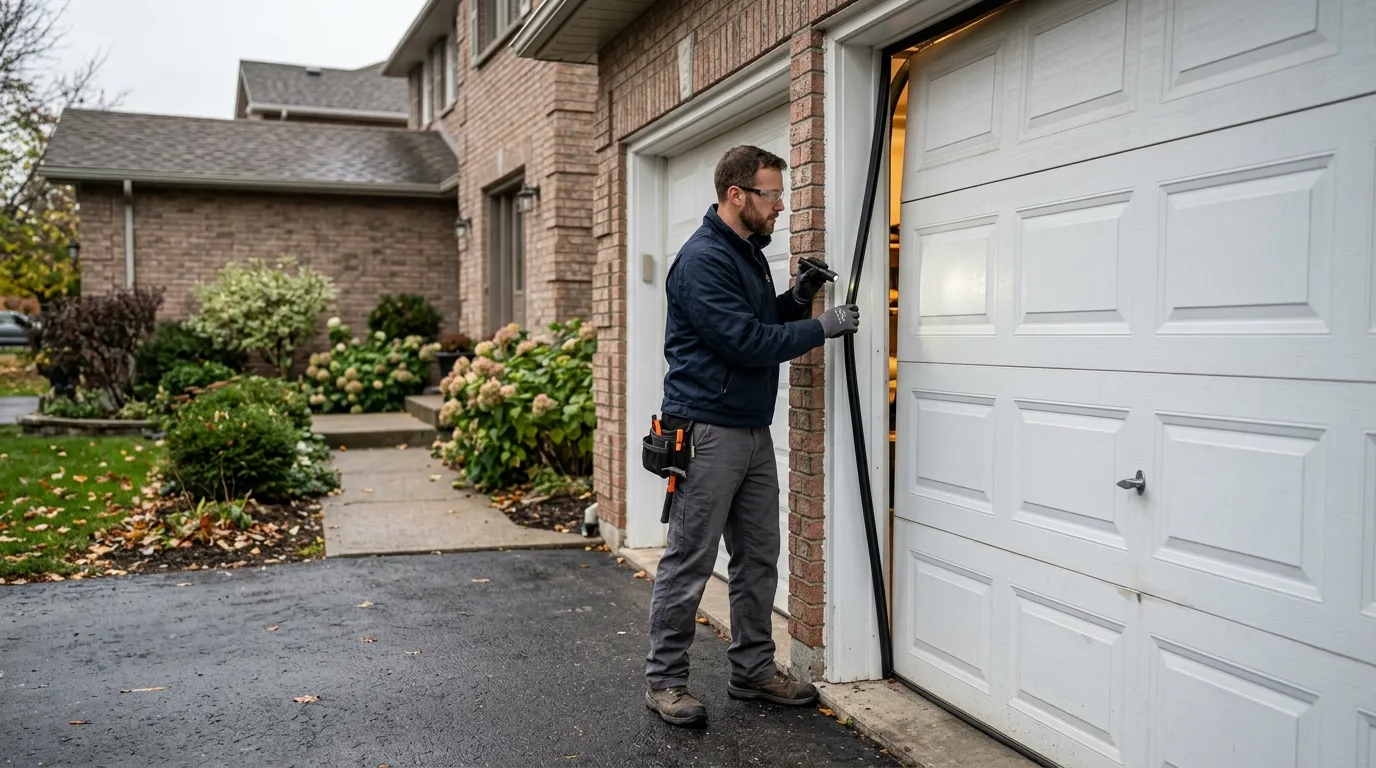
Springs, cables, tracks, rollers, and openers fixed by a tech who explains the problem before touching anything.
Learn more →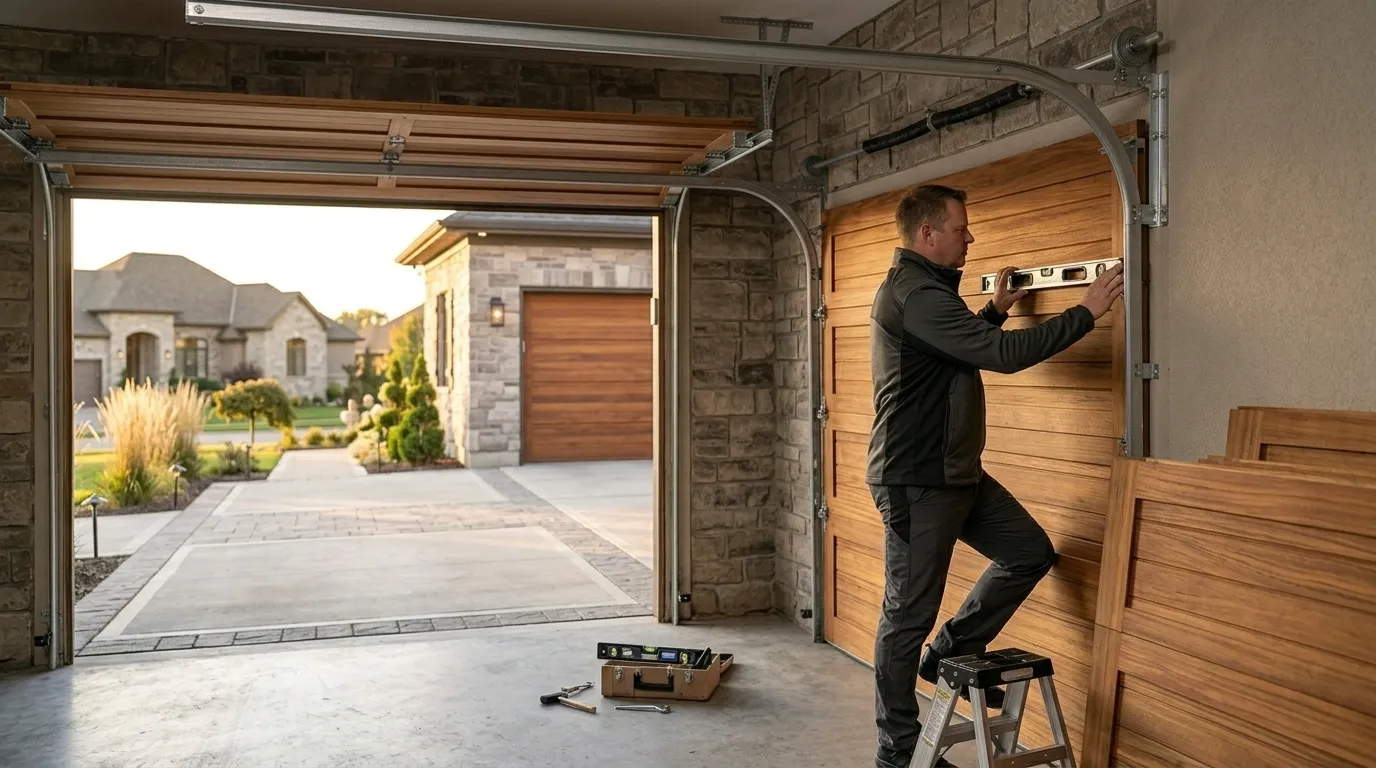
Garage Door Installation
New sectional doors sized and installed for the housing stock actually built in this area.
Learn more →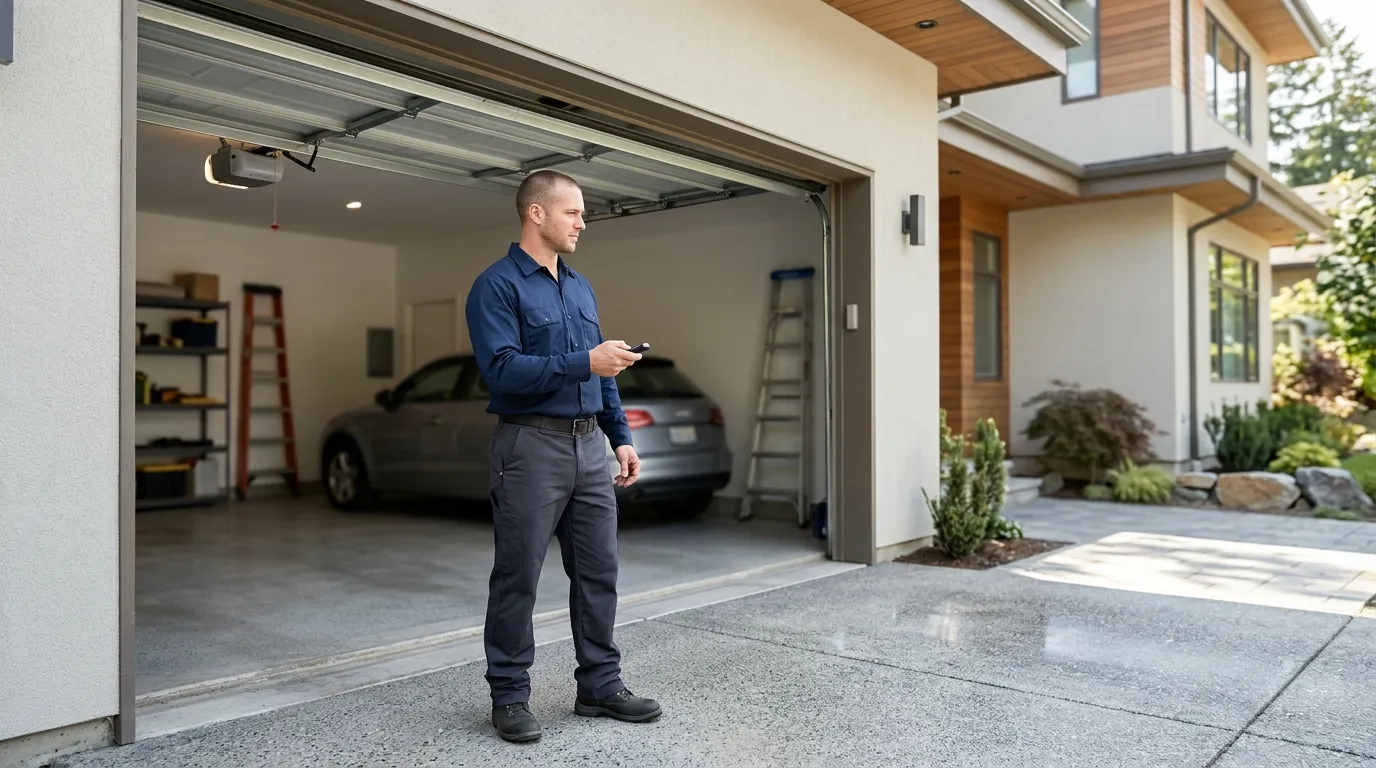
Garage Door Service
Tune-ups, lubrication, and safety checks that catch a small problem before it becomes a service call.
Learn more →Frequently Asked Questions
Does my garage door opener need a battery backup in Los Angeles?
Not automatically. Los Angeles doesn't have the storm-driven outage patterns that make backups worth it elsewhere, and a lot of older openers here have run fine for decades without one. If the manual release works easily and the door lifts by hand, you likely don't need to add one.
Why did my opener stop responding after the power came back on?
On older circuits common in houses built around 1961, a modern opener's startup draw can trip a marginal breaker or reset the control board when power returns. Check the breaker first, then reprogram the remote if the board reset. It's usually not the opener itself failing.
Is it the spring or the opener if the door won't move by hand?
If you pull the manual release and the door is still heavy to lift, that's the springs, not the opener. An opener only ever handles the last few pounds of a properly balanced door. A heavy manual lift means the spring work needs attention before anything else.
Have a Door That Needs a Second Opinion?
Call and describe what it is doing - we will tell you what it likely is.