
Los Angeles Garage Door Guide
What Our Techs Check First on a Los Angeles Garage Door
In Los Angeles, most houses date to the 1943-1961 build wave. Here's what a technician checks first before touching a spring, opener, or track.
- Licensed & Insured
- Same-Area Service Calls
- Upfront Pricing
What to Check
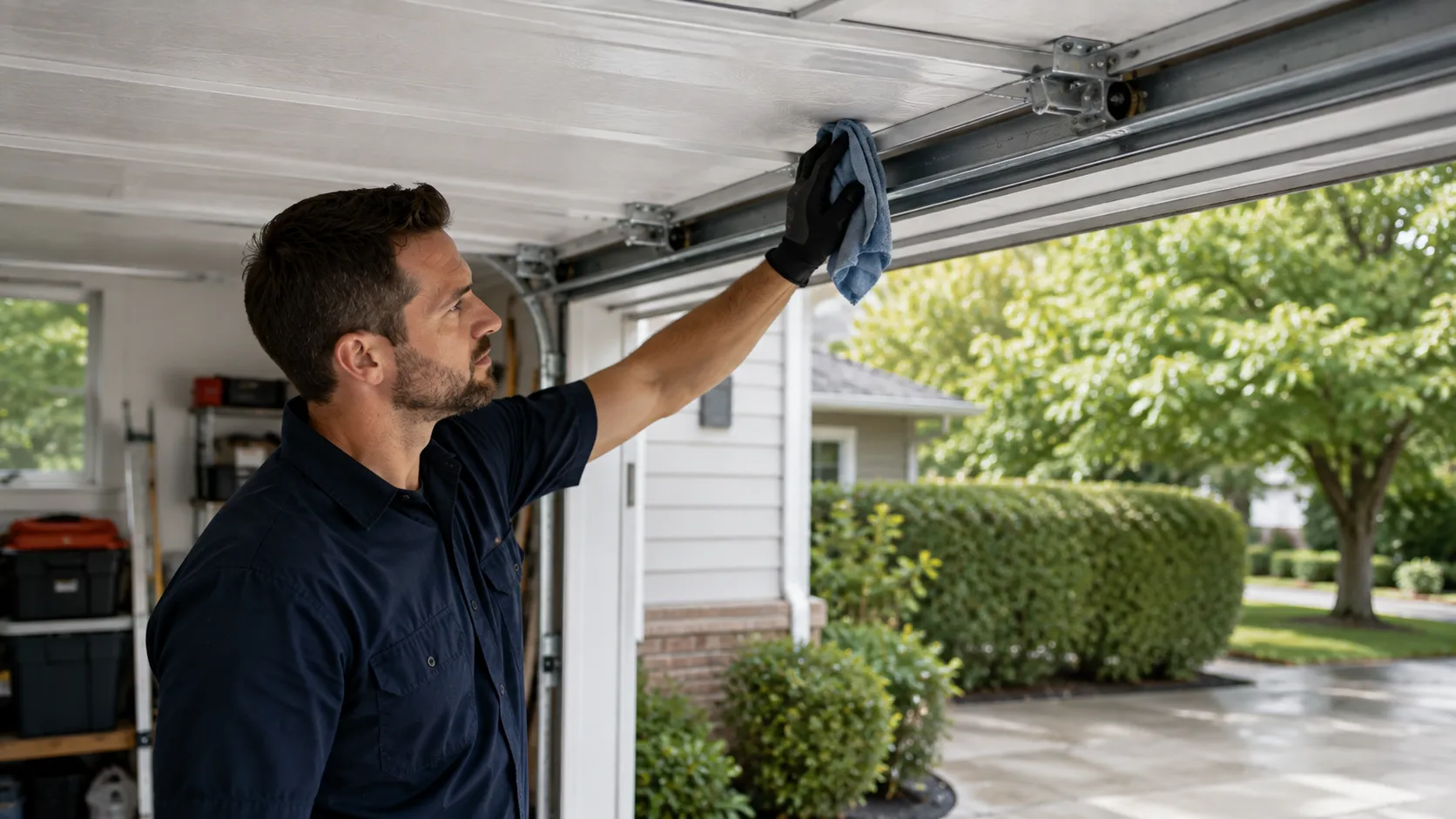
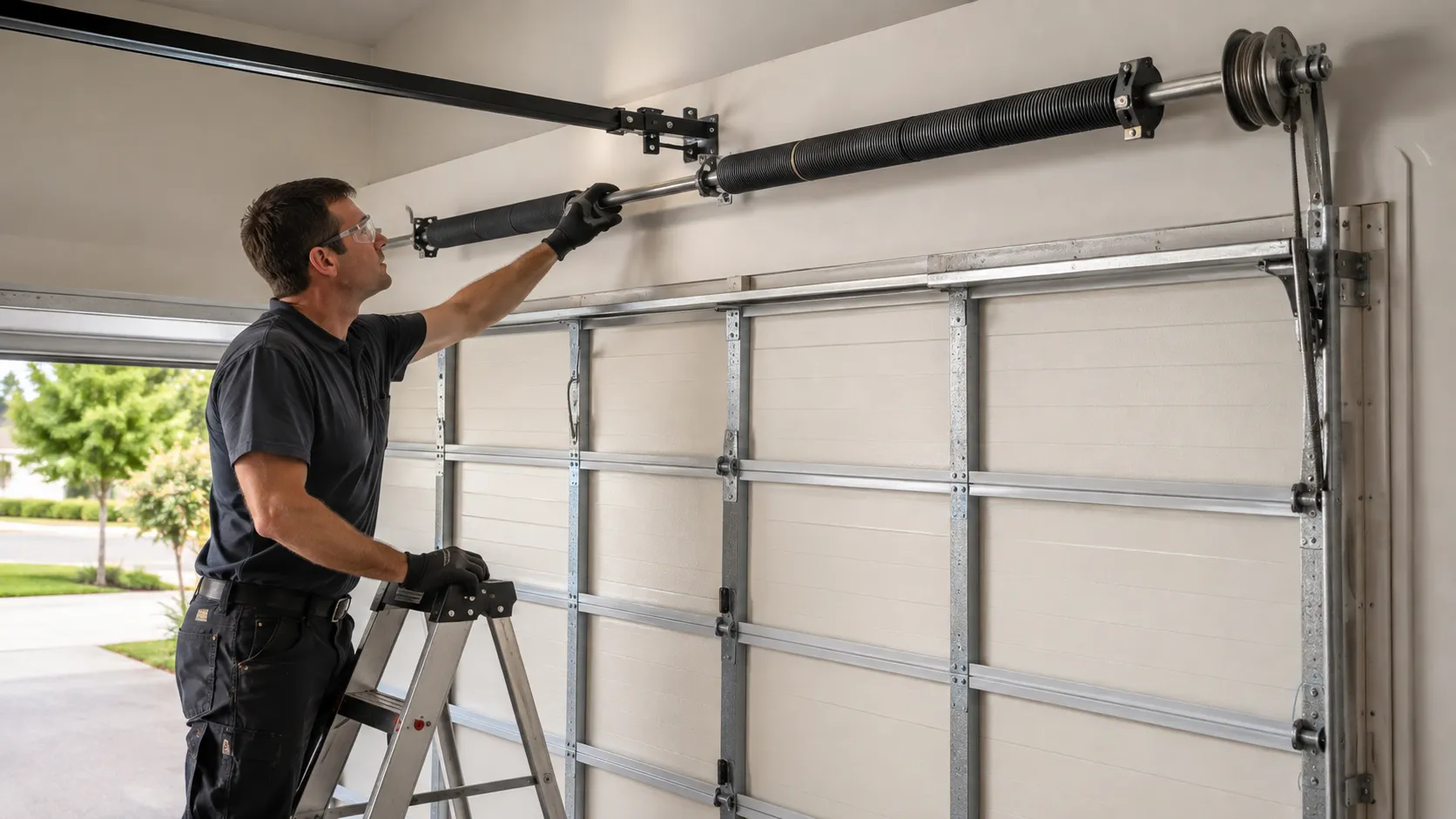
Before a technician touches a torsion spring or opener, the first thing we look at is the door's age against the house it's on. A lot of the housing stock around here went up between 1943 and the early 2010s, with the median build year sitting at 1961. That matters because a door installed on a house from that era is often carrying original hardware, or a second-generation replacement that was never matched to the track width the opener expects. We check the spring winding cone for the older bolt pattern, the track gauge, and whether the panel has been resized or re-hung at some point - a common patch job on houses this age. We also check the rollers for wear consistent with decades of use rather than a few years. On a house built in 2005 that check looks completely different than on one from 1958, so we don't skip it just to get to the spring. A door that looks fine from the driveway can still be running hardware that's thirty years past what it was rated for.
What Local Conditions Do
Los Angeles sits in a mild temperate band, and that cuts both ways for a garage door. There's no freeze-thaw cycle here to crack a slab or seize a bearing overnight, so we're not chasing the kind of sudden cold-snap failures a tech in a harsher climate deals with every winter. What we do see is slower, cumulative wear - hardware that's simply old, lubricant that's dried out over years of steady dry heat rather than been washed out by rain, and springs that have quietly lost tension cycle by cycle without ever announcing it with a dramatic failure. Because the climate here doesn't force problems to the surface fast, doors tend to run rough for a long stretch before an owner calls, which means by the time we're checking the setup, a spring that looks intact can already be near the end of its cycle count. We factor that in - a check here starts with cycle wear, not weather damage, because weather damage isn't really what this area produces.
What Is Going On
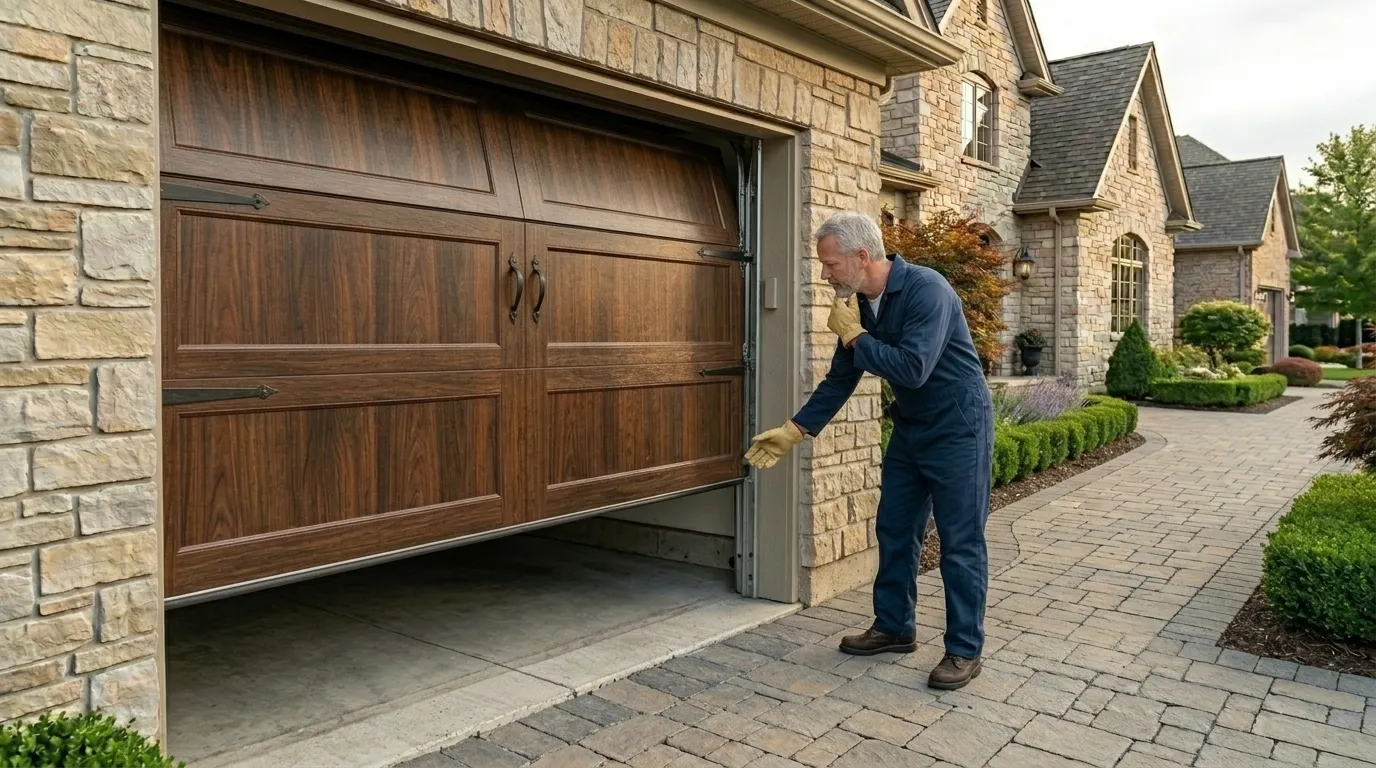
Across the neighborhoods we run calls in - Palms, Mar Vista, Cheviot Hills, Rancho Park, Beverlywood, Mid-City, and out toward Culver City and Baldwin Hills - the pattern repeats: 1960s and 70s construction with a door and opener that have been serviced piecemeal rather than replaced as a unit. That's not unique to one street, it's the shape of the housing stock across roughly 52 named areas in this part of the county. So when we're diagnosing a noisy door or a hard-to-lift panel, we're usually looking at a mismatch built up over decades - a newer opener bolted to an original track, or a spring swapped once in the 90s that was sized for a lighter door than what's currently hanging. Figuring out what's actually going on means tracing that history on the door in front of us, not assuming it matches a newer install a few miles away in a neighborhood built on a different timeline.
Doing Nothing For Now
Sometimes the honest answer after a check is that nothing needs doing yet. If the springs are within their cycle life and the hardware matches the door weight, we'll say so rather than sell a repair the door doesn't need. Where we draw the line: if a door is running on original 1960s-era track that's been bent and re-straightened more than once, we won't keep patching it indefinitely - at some point the labor to keep adjusting worn hardware costs more over a year than replacing the track once. We're not going to pretend every old door is a ticking time bomb, and we're not going to pretend every worn one is fine. What we won't do is diagnose a door over the phone with no history on the house; the check has to happen in person before we tell you what's actually going on.
How We Can Help
Garage Door Repair
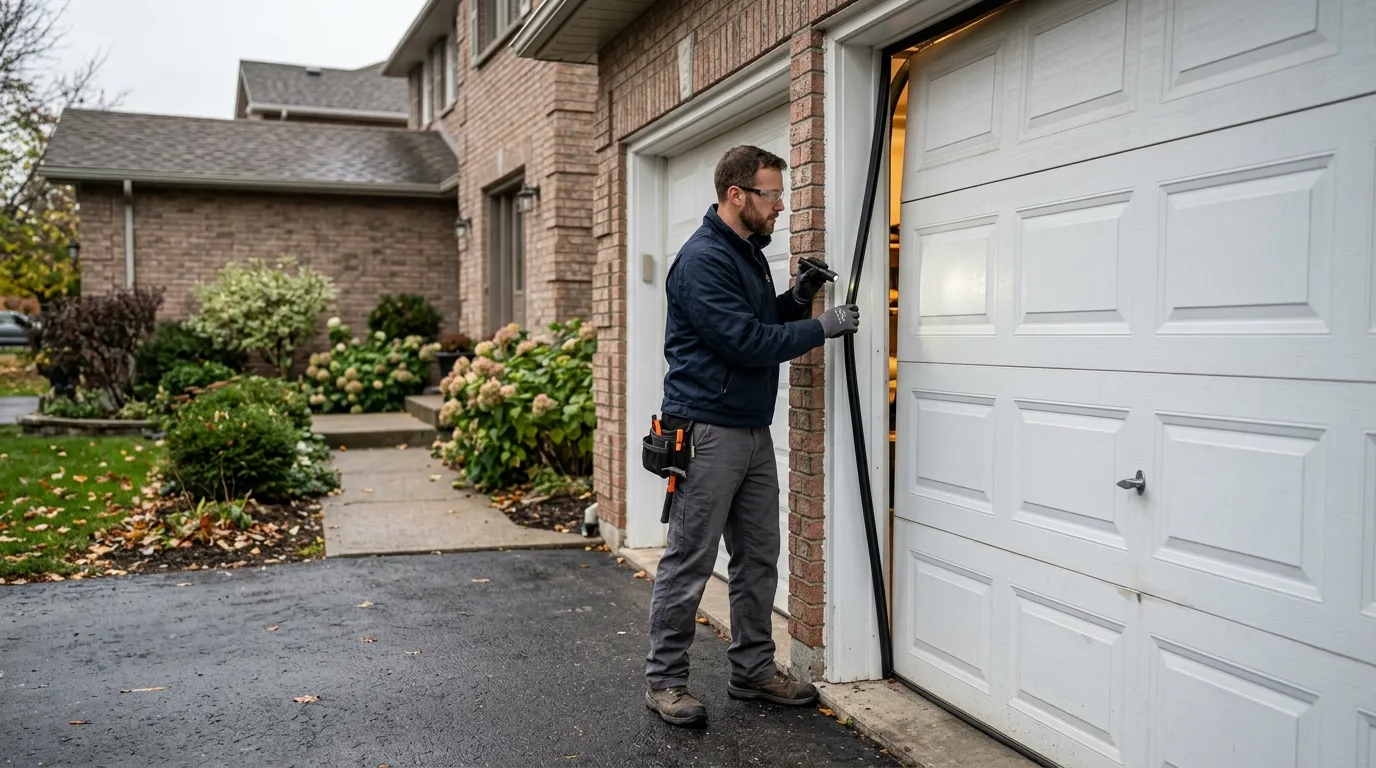
Springs, cables, tracks, rollers, and openers fixed by a tech who explains the problem before touching anything.
Learn more →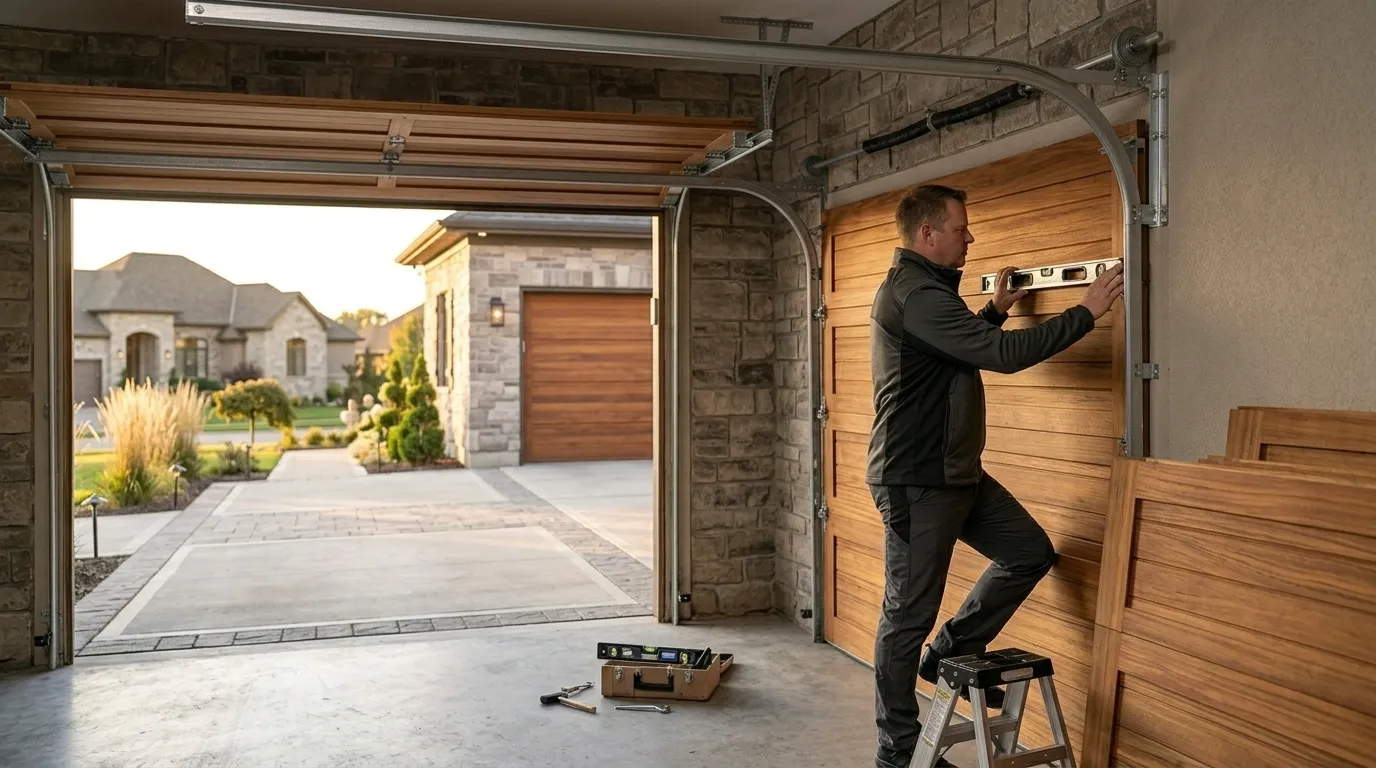
Garage Door Installation
New sectional doors sized and installed for the housing stock actually built in this area.
Learn more →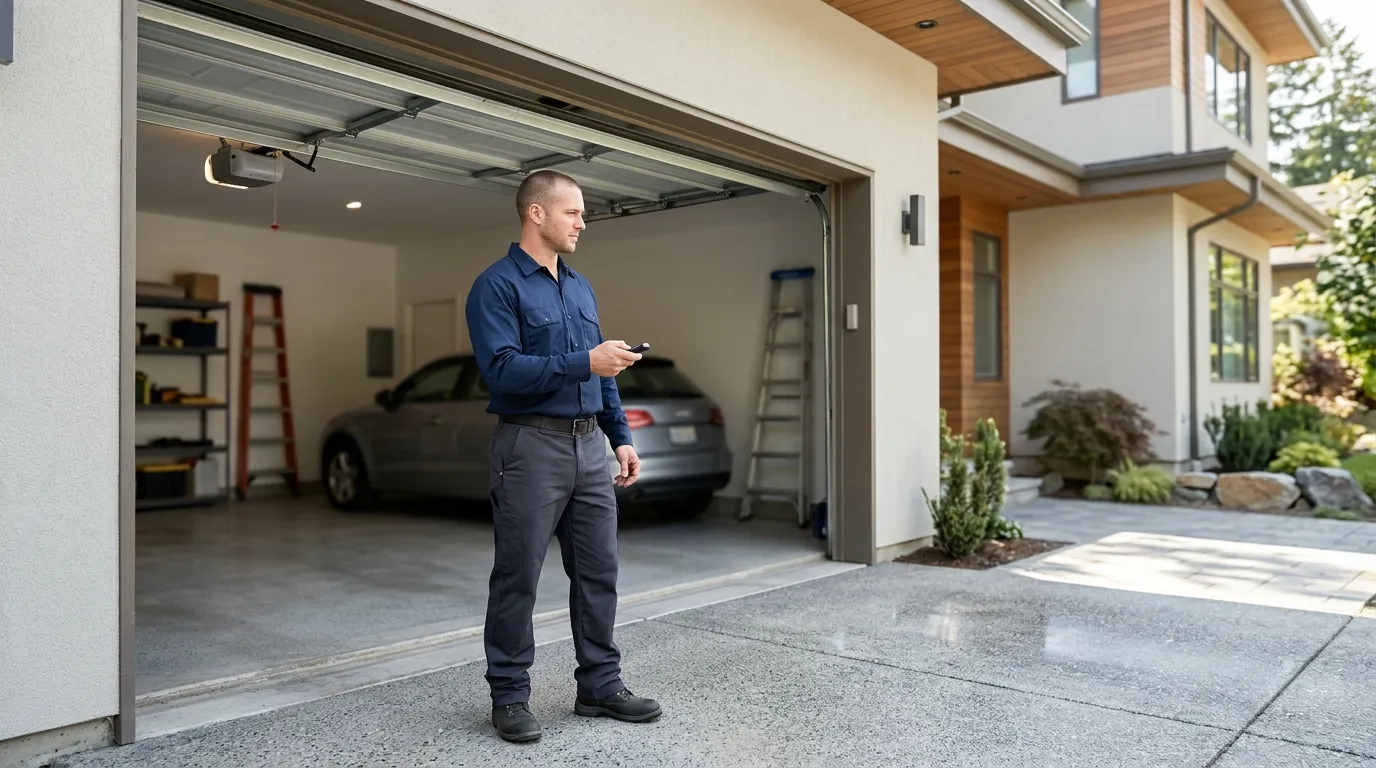
Garage Door Service
Tune-ups, lubrication, and safety checks that catch a small problem before it becomes a service call.
Learn more →Frequently Asked Questions
Why does the age of my house matter for a garage door repair?
Because most houses in this area were built between 1943 and 1961, a lot of doors are running hardware that's been patched or partially replaced over decades rather than installed as a matched system. Knowing the build era tells us what kind of spring cone, track width, and roller wear to expect before we even open the panel.
Does the mild Los Angeles climate mean less garage door wear?
It means a different kind of wear. There's no freeze-thaw cycle here to crack hardware overnight, but steady dry heat dries out lubricant and lets springs lose tension gradually without an obvious failure point, so doors often run rough for a long stretch before anyone notices.
Will you tell me if my door doesn't need repair yet?
Yes. If the springs are within their cycle life and the opener matches the door weight, we say so. We'd rather tell you nothing needs doing than sell a repair the door doesn't need.
Have a Door That Needs a Second Opinion?
Call and describe what it is doing - we will tell you what it likely is.