
Nearby Community
Garage Door Repair for San Gabriel Homes
San Gabriel's homes date mostly to 1956, meaning original hardware and aging tracks. Los Angeles Garage Door Pros drives out for spring and opener repair.
- Licensed & Insured
- Same-Area Service Calls
- Upfront Pricing
The Calls We Get From Here
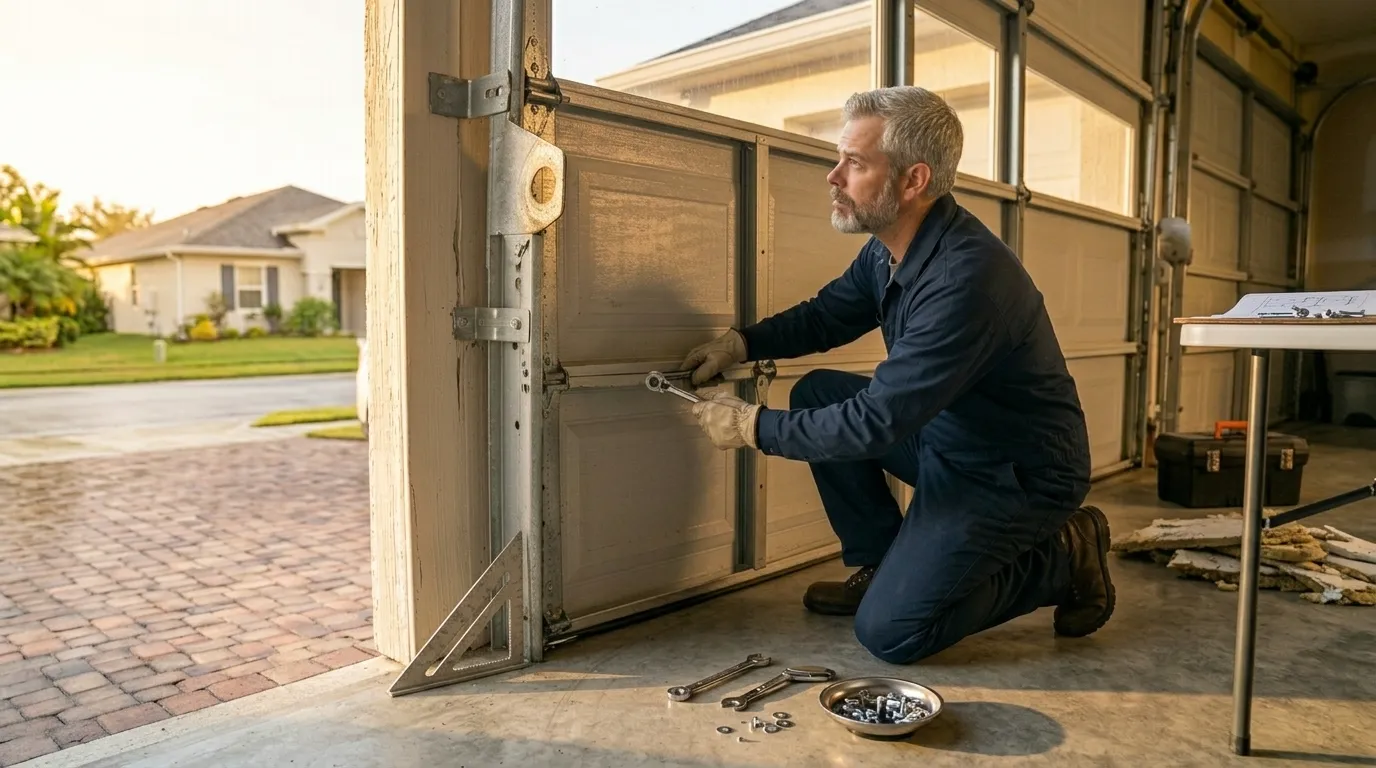
Most of the calls we take from San Gabriel trace back to one number: 1956. That's the median year the houses here went up, which puts the garages a few years ahead of the wider service area's 1961 median. A garage built in the mid-1950s usually still has its original steel track, a single torsion spring mounted low on the header, and hinges that were never meant to carry sixty-plus years of daily openings. By the time an owner calls us, the spring has usually already gone, or the rollers have worn enough that the door binds every time it passes the second panel.
We also hear from newer pockets of the area where doors and openers are more recent, so not every job here is a hardware-museum piece. But the pattern holds: older opener units that predate rolling-code remotes, cables fraying at the drum from years of the same groove, and wood-composite panels that have taken on enough moisture over the decades to sag at the bottom corner. None of this is dramatic. It's just what sixty-plus years of ordinary use does to a door nobody's replaced yet.
What That Means for Doors
A door built around 1956 was engineered for the era's tools, not today's openers. That matters more than it sounds like it should. Original torsion hardware from that period is often sized for a lighter door than the ones later replaced onto the same track, which means the spring is under-built for the load it's carrying now. That shows up as a spring that lasts a fraction as long as it should, or a door that drops fast and hard the moment the spring lets go.
Track width is the other issue. Older single-car garages in this area were built to a narrower rail standard than what current steel and composite doors ship with. When a homeowner replaces just the door and not the track, the rollers ride closer to the edge of the rail than they should, and every gust or slam knocks them half out of the channel. We see this often enough here that it's one of the first things we check before touching a spring or a cable. It's not a defect, just a mismatch between two generations of hardware sharing the same opening.
What We Do Most in This Area
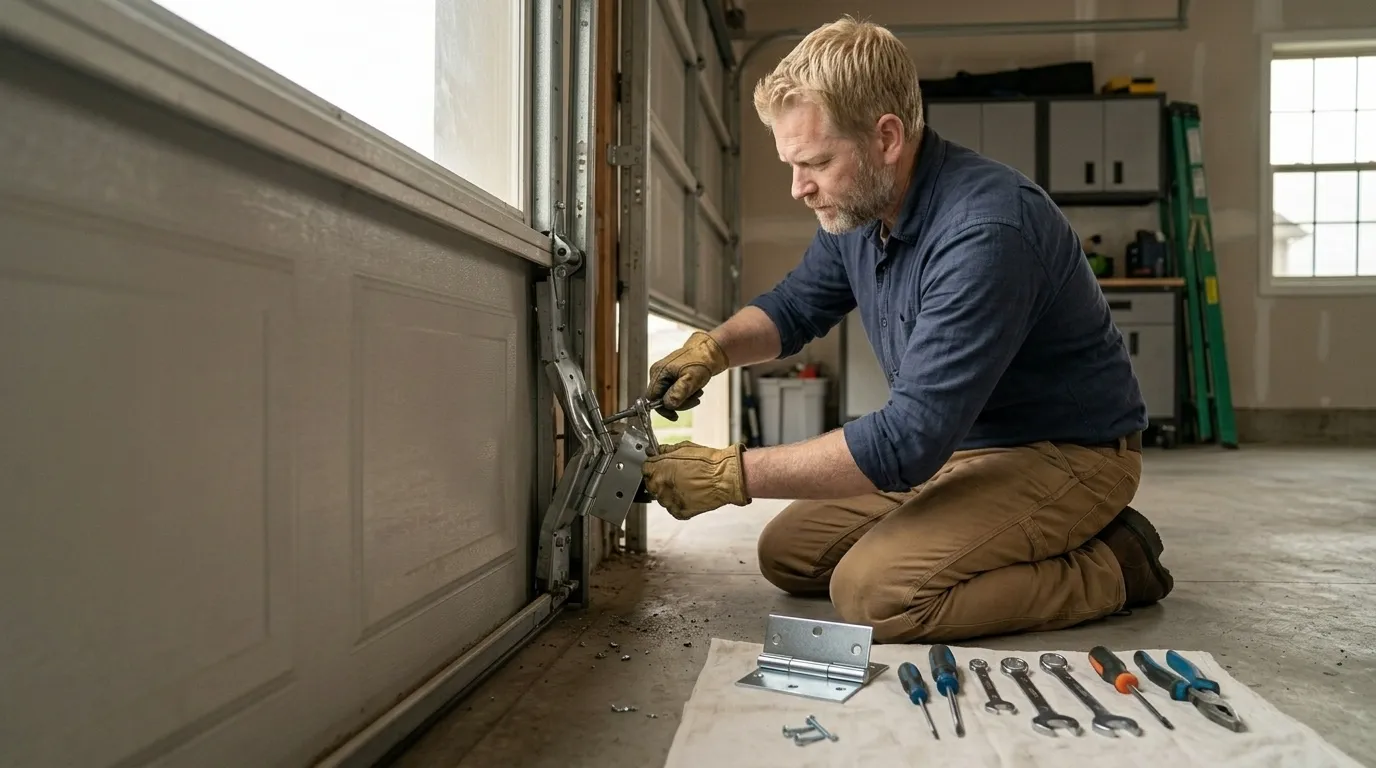
Given the age of the housing stock, torsion spring replacement is the single most common job we run in San Gabriel - usually on doors that have never had the spring swapped since the house was built. Cable replacement follows close behind, since a fraying cable on a decades-old drum rarely gives much warning before it lets go.
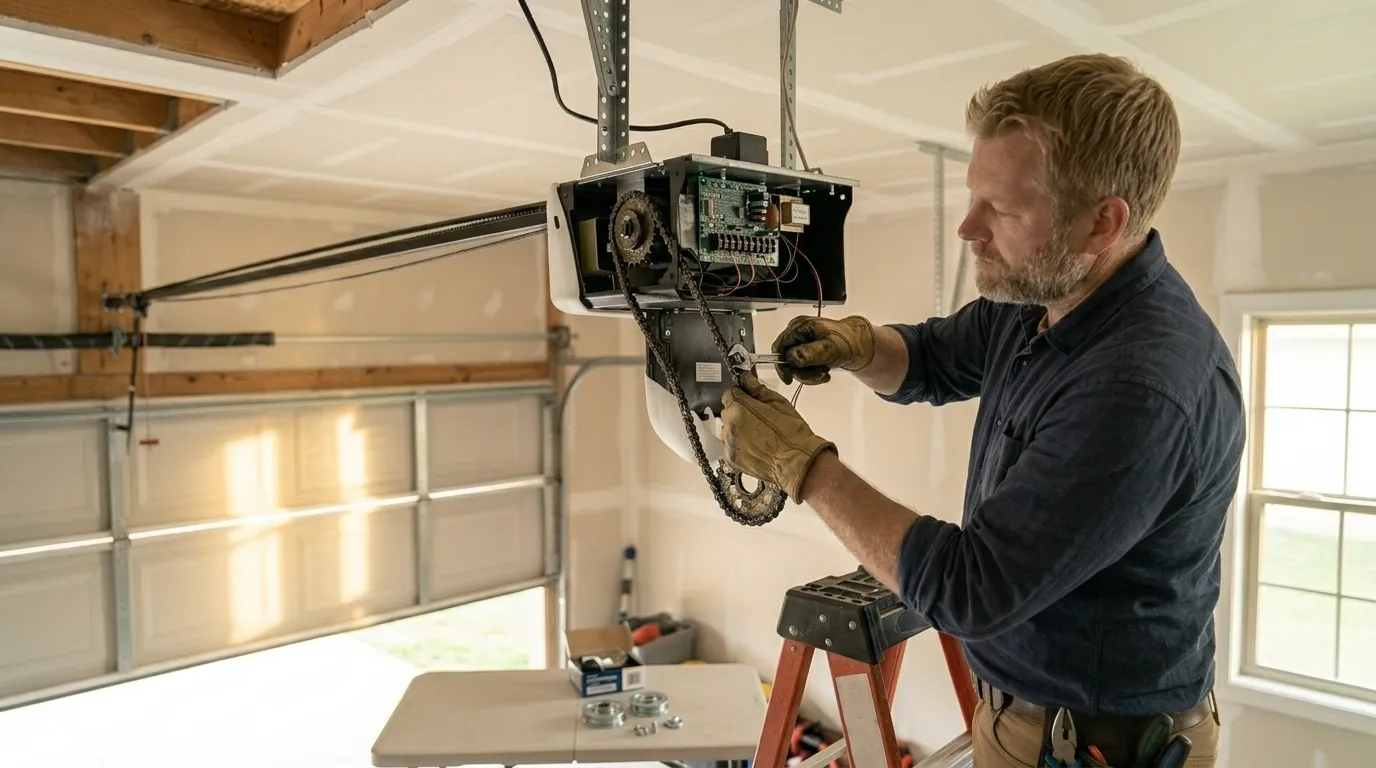
We also do a fair number of opener swaps here, moving households off units that predate rolling-code security onto something current, and roller and hinge replacement on doors where the track itself is still sound and doesn't need to be touched. Panel repair comes up on the older wood-composite doors that have taken on moisture at the bottom edge over the years.
One honest note: we don't stock parts for every obsolete opener model still running in houses this age. If a unit is old enough that the manufacturer no longer makes the board, replacement is usually the faster and cheaper path than a special-order repair, and we'll tell you that plainly rather than order a part that takes weeks to land. San Gabriel is about 19 miles from our Los Angeles base, so we schedule the trip rather than promise a same-hour arrival.
This Area's Housing
San Gabriel runs about 12,614 households, with a median build year of 1956 - a touch earlier than the 1961 median across the wider service area, where the bulk of the stock dates to the 1960s and '70s. Median household income here sits at $87,592, slightly above the broader service area's $86,072, which tracks with what we generally see: owners here are more likely to replace an aging door outright rather than patch it repeatedly.
The climate helps the hardware last longer than it would elsewhere - this is a mild temperate band with none of the freeze-thaw cycling or heavy salt air that chews through springs and tracks in harsher regions. That's part of why so many of these original 1956 setups are still in service at all; the metal itself hasn't corroded, it's just aged past its working life. When a spring finally fails here, it's almost always fatigue from decades of cycles, not rust.
Recent Work Near San Gabriel
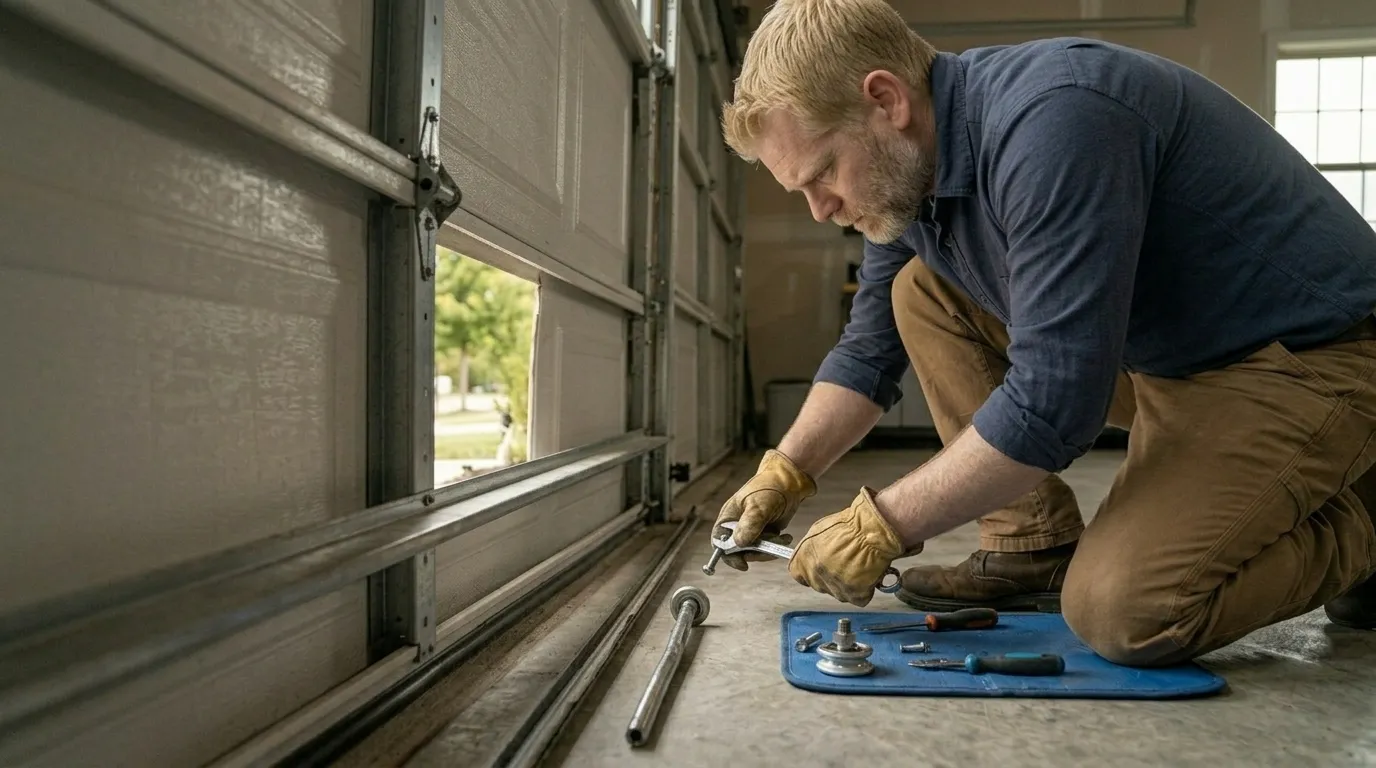
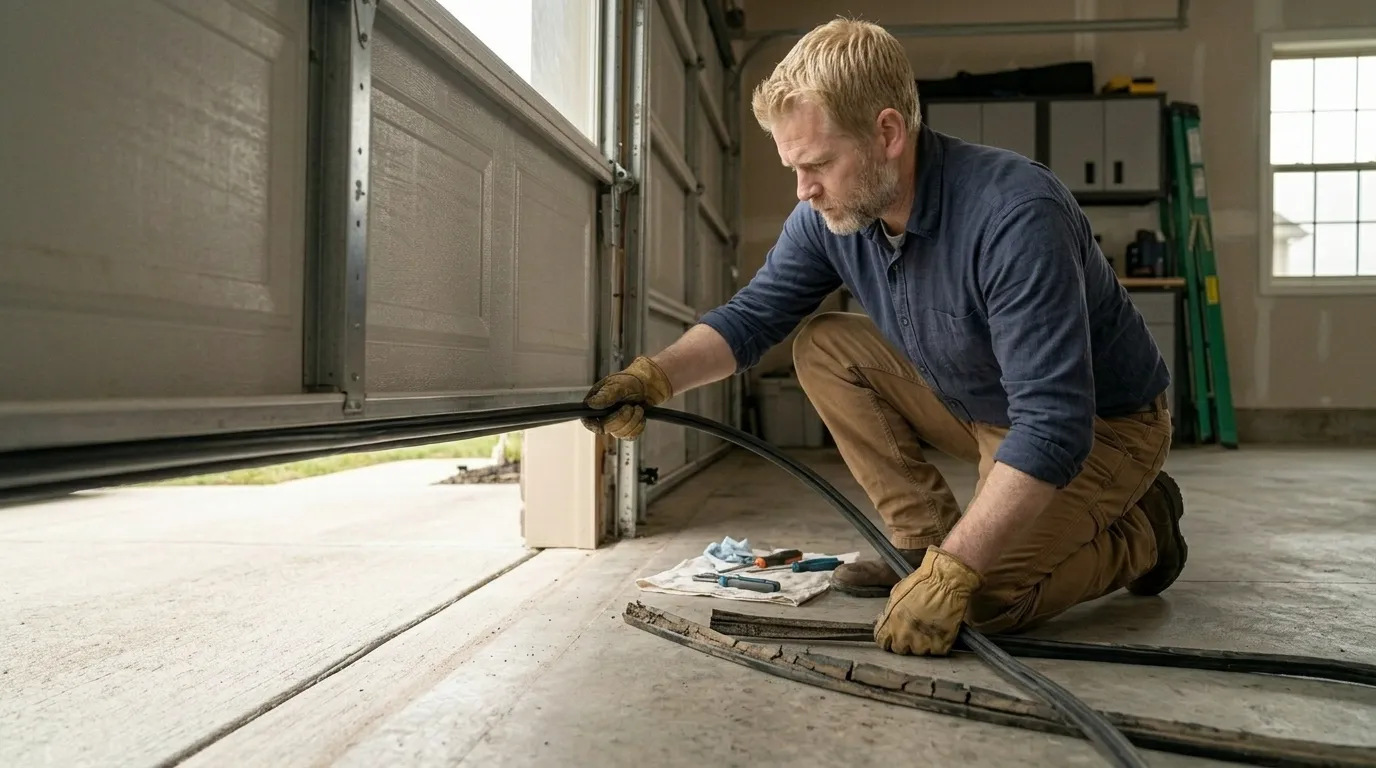
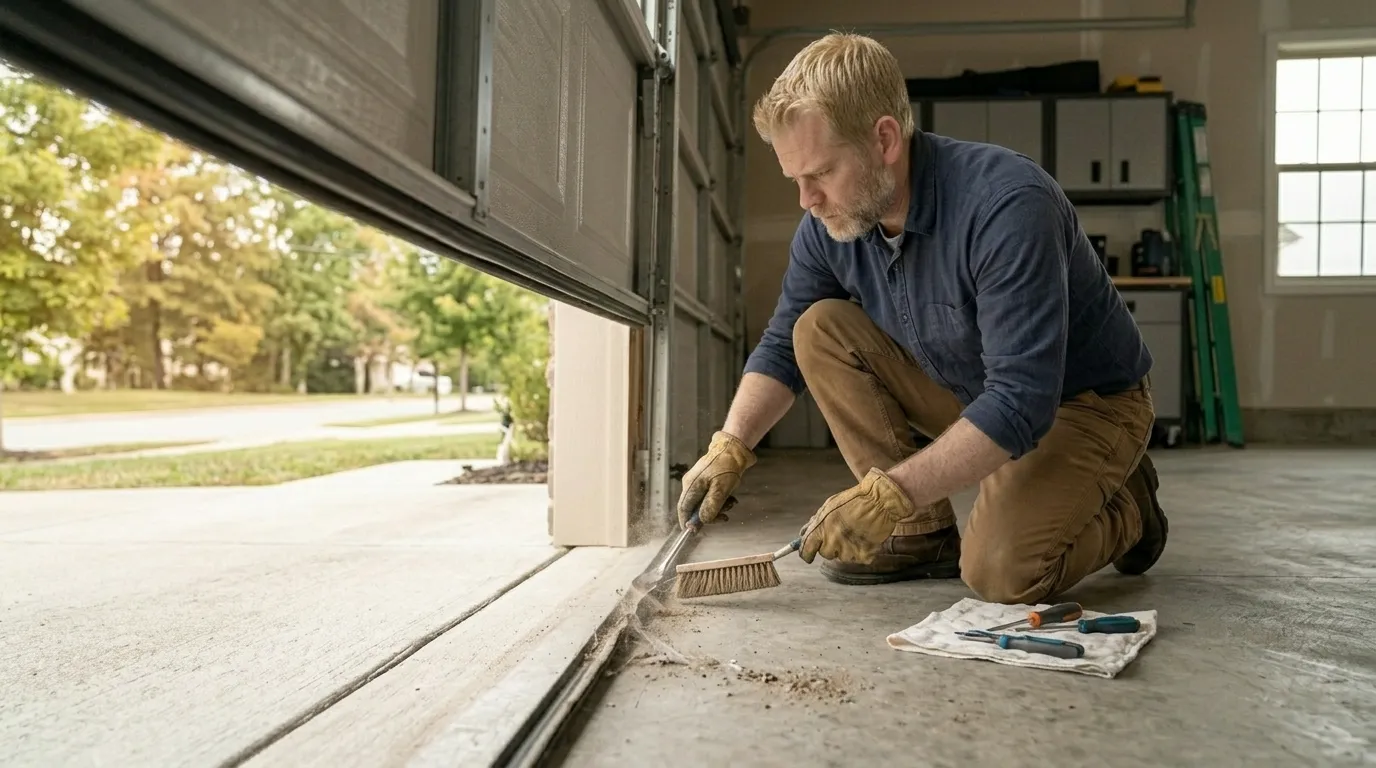
How We Can Help
Garage Door Repair
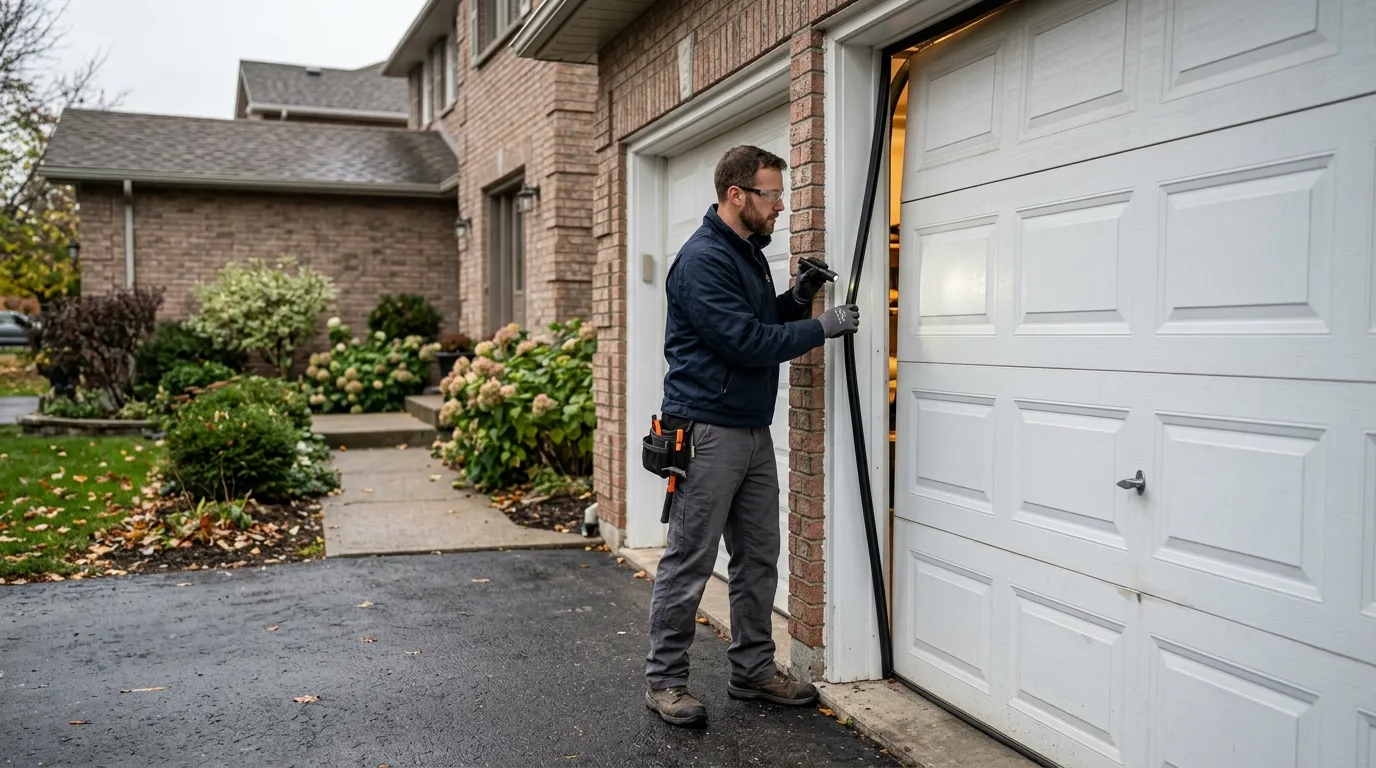
Springs, cables, tracks, rollers, and openers fixed by a tech who explains the problem before touching anything.
Learn more →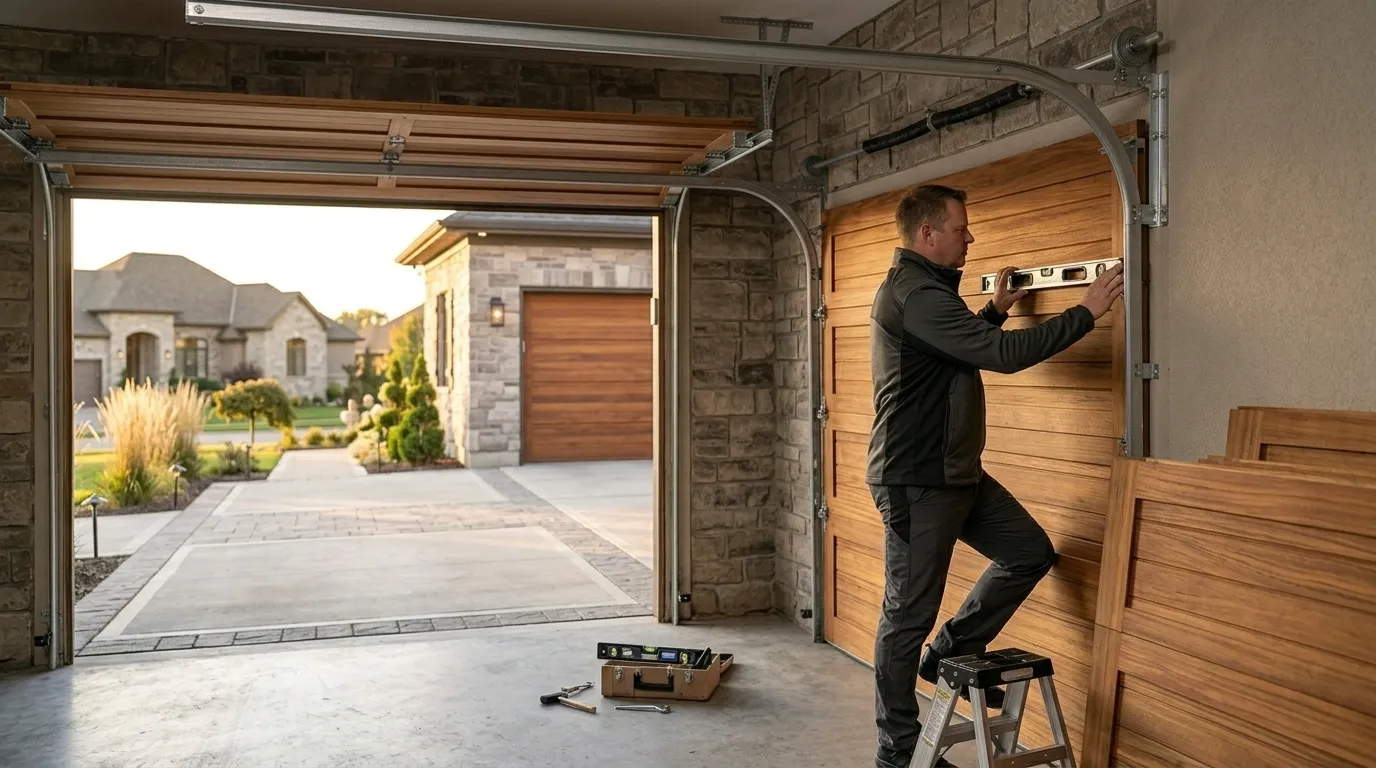
Garage Door Installation
New sectional doors sized and installed for the housing stock actually built in this area.
Learn more →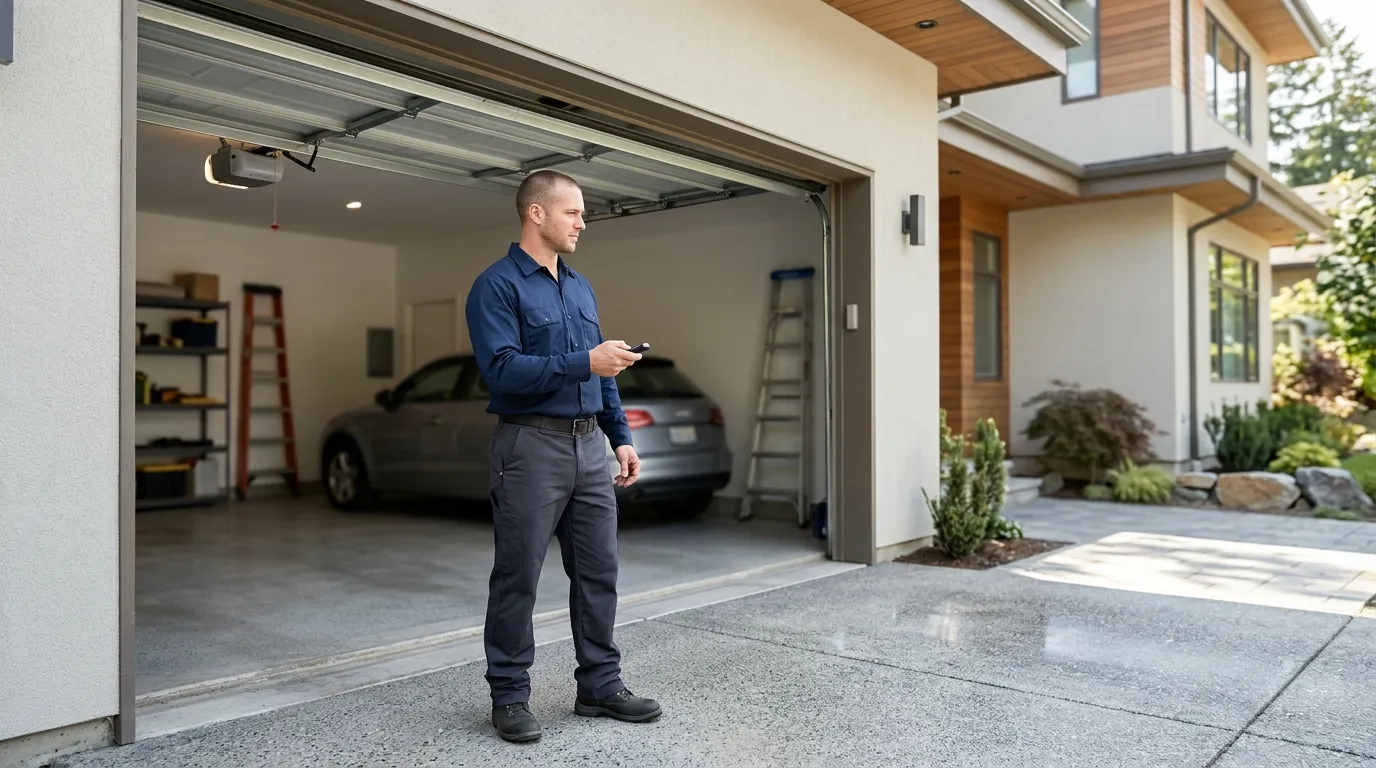
Garage Door Service
Tune-ups, lubrication, and safety checks that catch a small problem before it becomes a service call.
Learn more →What Happens When You Call
-
1
Call or Request a Quote
Tell us what the door is doing and roughly how old the house is - that alone points us toward the likely part before a truck leaves.
-
2
On-Site Diagnosis
A tech checks the spring, cables, tracks, and opener in person and tells you plainly what is actually wrong.
-
3
Straight Price, No Surprises
You get a number before any work starts. It covers parts and labor, nothing added after the fact.
-
4
Fixed the Same Visit
Most repairs are done in one trip. If a part needs sourcing, we tell you that upfront instead of guessing.
Frequently Asked Questions
Why does my garage door spring keep breaking if the house isn't that old for the area?
If your house dates to around 1956, the original torsion spring may still be in service after nearly seventy years of cycles. Steel fatigues with use even without rust, and a spring rated decades ago for a lighter door often can't handle the load it's carrying now. Replacing it with correctly sized hardware usually solves the repeat-failure pattern.
Do you have a shop in San Gabriel?
No. We're based in Los Angeles, about 19 miles out, and we schedule San Gabriel jobs as part of the route rather than running a local depot. That means we plan the drive into your appointment window instead of promising an immediate same-hour arrival.
Is it worth repairing an old wood-composite panel or should I replace the whole door?
It depends on how much moisture damage there is. A single sagging bottom panel on an otherwise sound door can often be swapped without touching the rest. But if more than one panel shows the same swelling, replacing the full door is usually cheaper than repairing panel by panel over a few years.
Will a new opener work with my old 1950s-era track?
Usually yes, but the track itself should be checked first. Some original narrow-rail setups from that era don't match the roller width on newer doors, which can cause the rollers to ride the edge of the channel. We check track compatibility before installing any new opener, not after.
Get Your Door Fixed in San Gabriel
Call now for same-area service.