
Nearby Community
Garage Door Service for Rolling Hills Estates
Garage door repair for Rolling Hills Estates homes built around 1970 - torsion springs, opener swaps, and panel work suited to this area's hardware.
- Licensed & Insured
- Same-Area Service Calls
- Upfront Pricing
The Calls We Get From Here
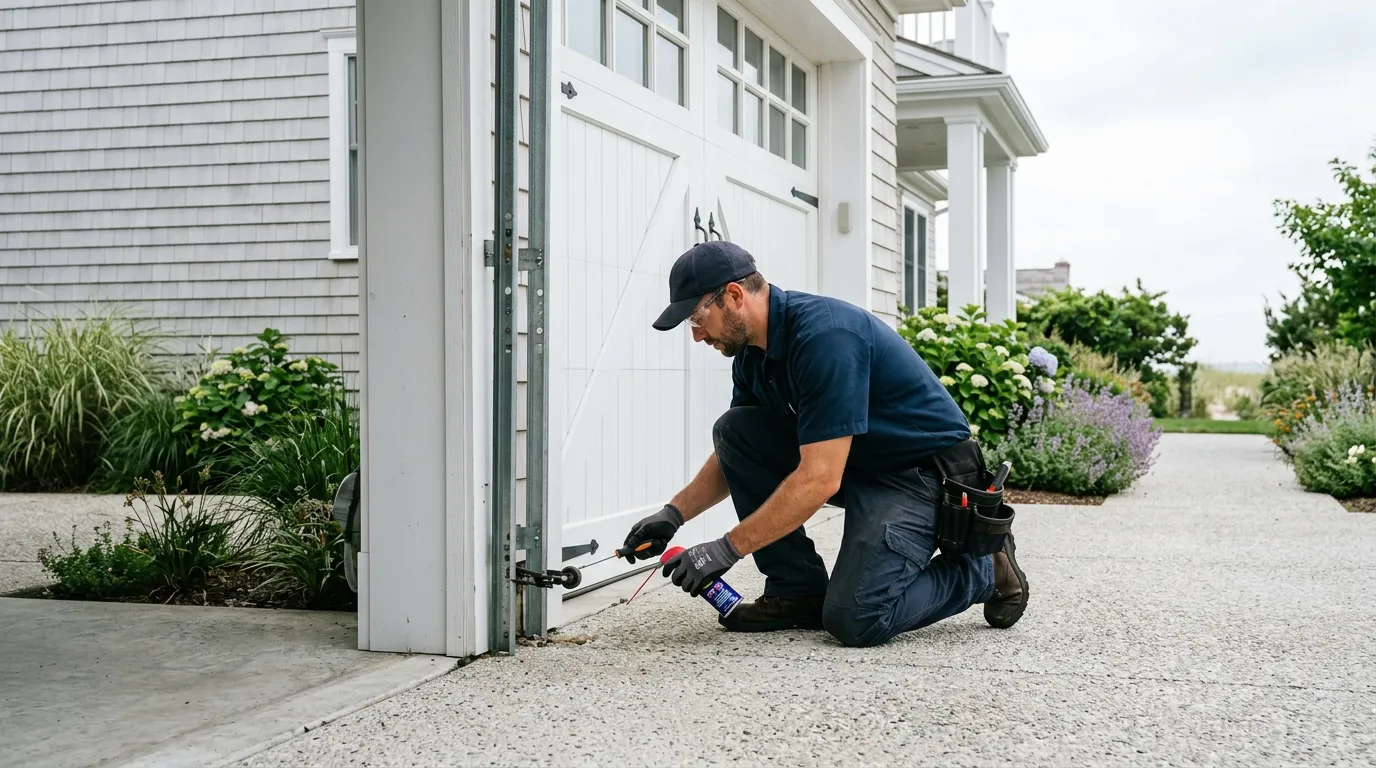
Most calls out of Rolling Hills Estates trace back to the same thing: doors and openers original or close to original to a house built around 1970. That's the median build year here, and it's later than a lot of the areas we cover closer to Los Angeles, where 1950s and 60s stock is still common. A door installed in 1970 is now over fifty years old if nobody's touched it, and the springs, drums, and cable ends on that hardware are past any reasonable service life even if the door still looks fine going up and down. We also hear from newer owners who bought a house here, had an inspector flag the garage door, and want it looked at before it becomes a bigger job. With 2,734 households in the area, it's a smaller, tighter market than the bigger flatland neighborhoods we drive to, and the housing tends to be larger-lot, hillside-adjacent construction, which shapes what kind of door and track setup you find behind the garage.
What That Means for Doors
A 1970-era door in this part of the county usually means steel sectional panels on a standard torsion spring system, sometimes retrofitted with a newer opener while the door itself, springs, and track hardware stayed put. That mismatch - new opener, fifty-year-old spring and drum - is where a lot of failures start, because the opener senses resistance from worn hardware and either grinds through it or trips the safety reversal. We're 17 miles out from our Los Angeles base to get here, so we don't treat this as a quick same-block stop; we plan for a full diagnostic visit, not a five-minute spring swap. The mild coastal-adjacent climate in this area is kind to the wood and steel components - you're not dealing with the freeze-thaw cycling that kills seals and hardware in colder regions - but hillside humidity and marine air still creep into hardware over decades, and we see corrosion on tracks and hinges that owners assume is just cosmetic.
What We Do Most in This Area
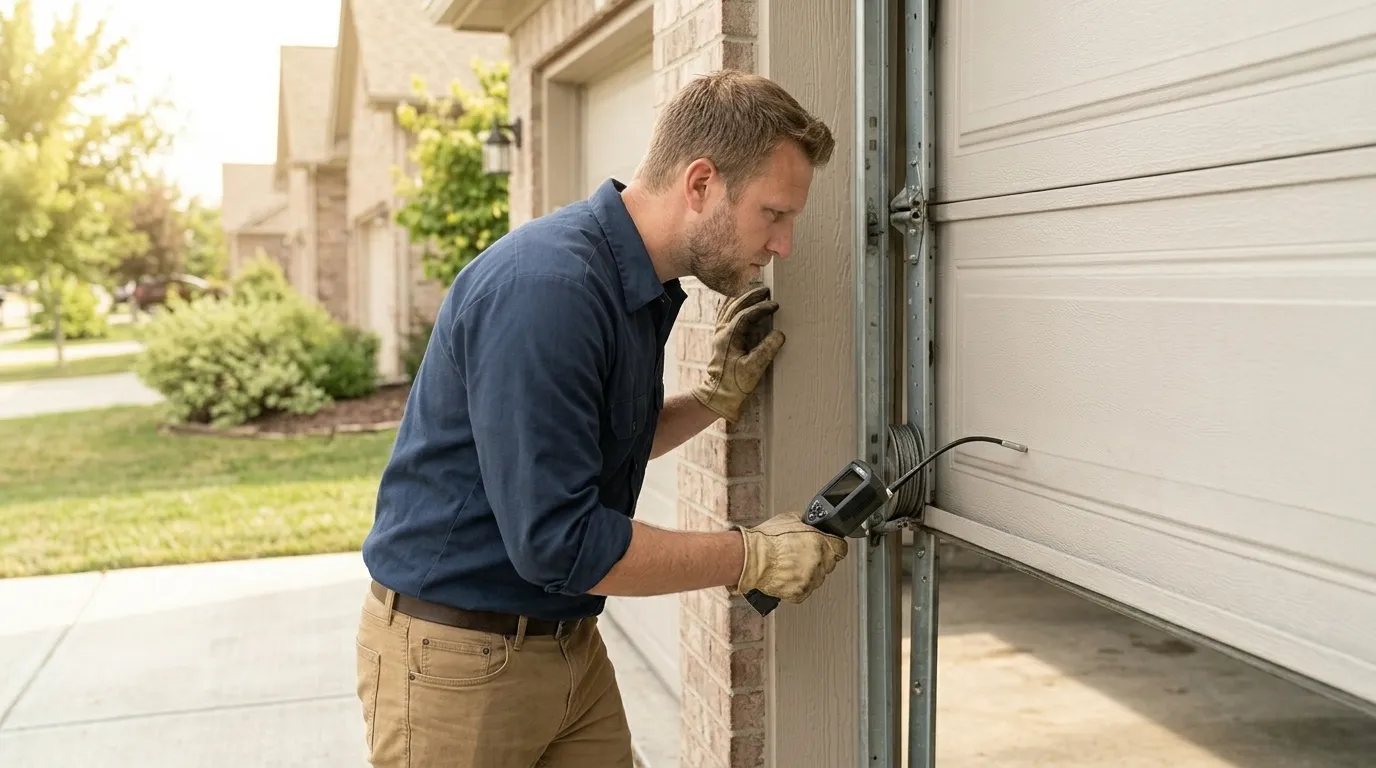
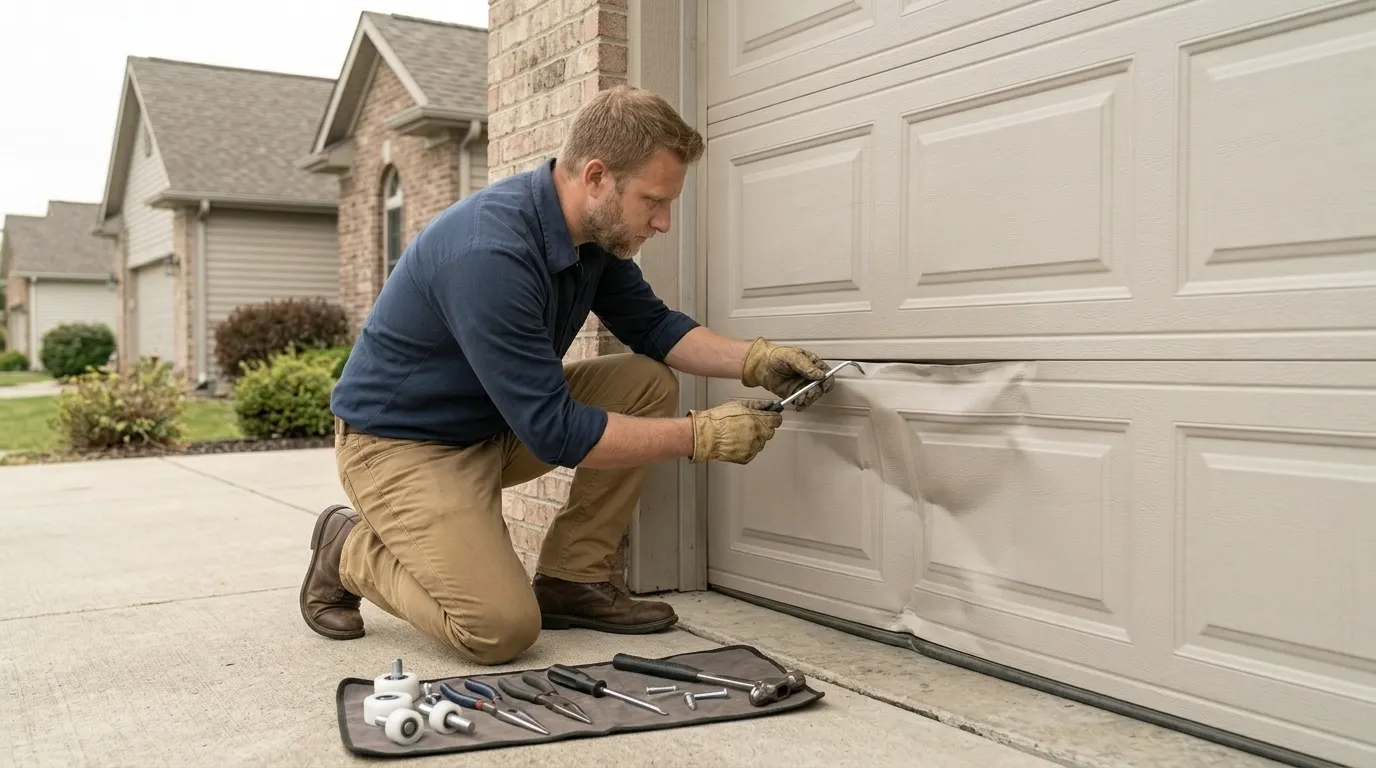
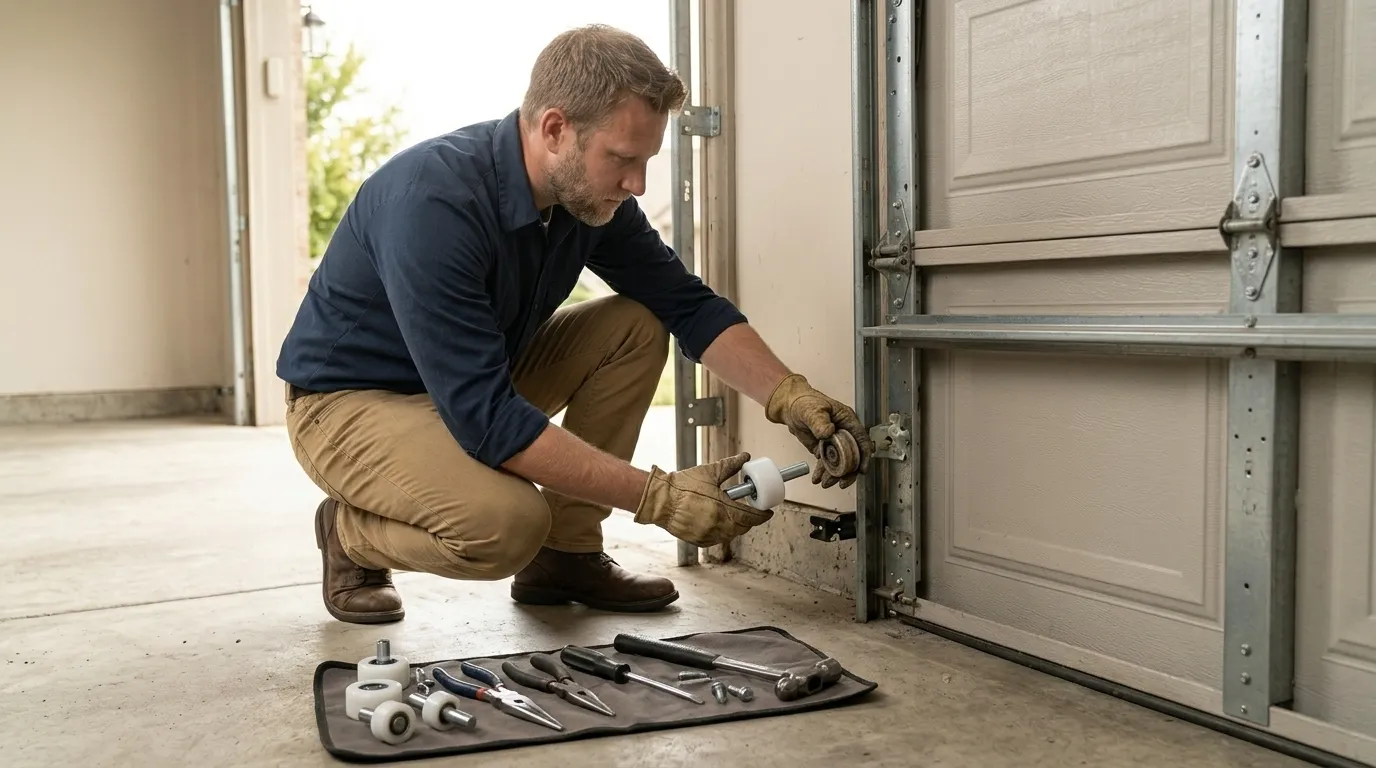
Torsion spring replacement is the most common job we run out here, followed by opener replacement where the original chain-drive unit has outlived its gears. Panel repair comes up less often than in older neighborhoods, since 1970-and-later doors tend to be steel rather than the wood composite panels that rot and warp on older stock. We also get calls for track realignment on doors where a car clipped the frame or where the slab has settled slightly, which isn't unusual on hillside lots. One honest limit: if a door's spring system is original from 1970 and one spring has already gone, we'll usually recommend replacing both springs together rather than just the failed one, since the second is close behind it - that adds to the job cost, but doing one spring at a time on a matched pair means a return call within a year or two.
This Area's Housing
With a median household income of $187,500 in this area, well above the broader service area's $86,072, the housing tends toward larger single-family lots with attached garages built to the codes of their era rather than retrofitted budget builds. That income figure also lines up with what we see on site - owners here are more likely to replace an aging door outright with an insulated steel model than patch an old one repeatedly, especially once they learn what a fifty-year-old torsion spring system costs to keep limping along. The area sits inside the mild temperate climate band that covers this whole part of the county, so insulation is more about noise and garage temperature comfort than weatherproofing against extreme cold or heat. We don't stock every hardware size in the truck for every visit, so an odd-width or custom door sometimes means a return trip once the part's ordered.
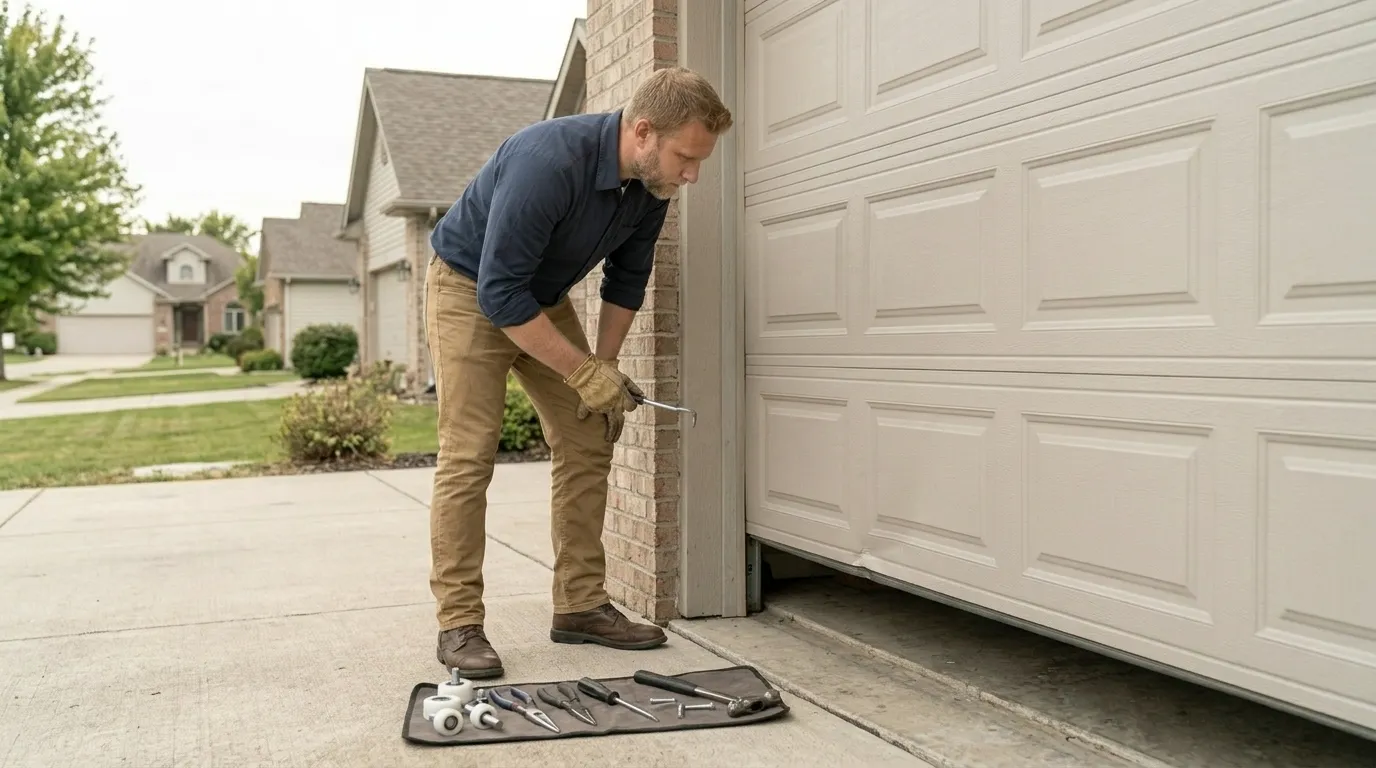
Recent Work Near Rolling Hills Estates
How We Can Help
Garage Door Repair
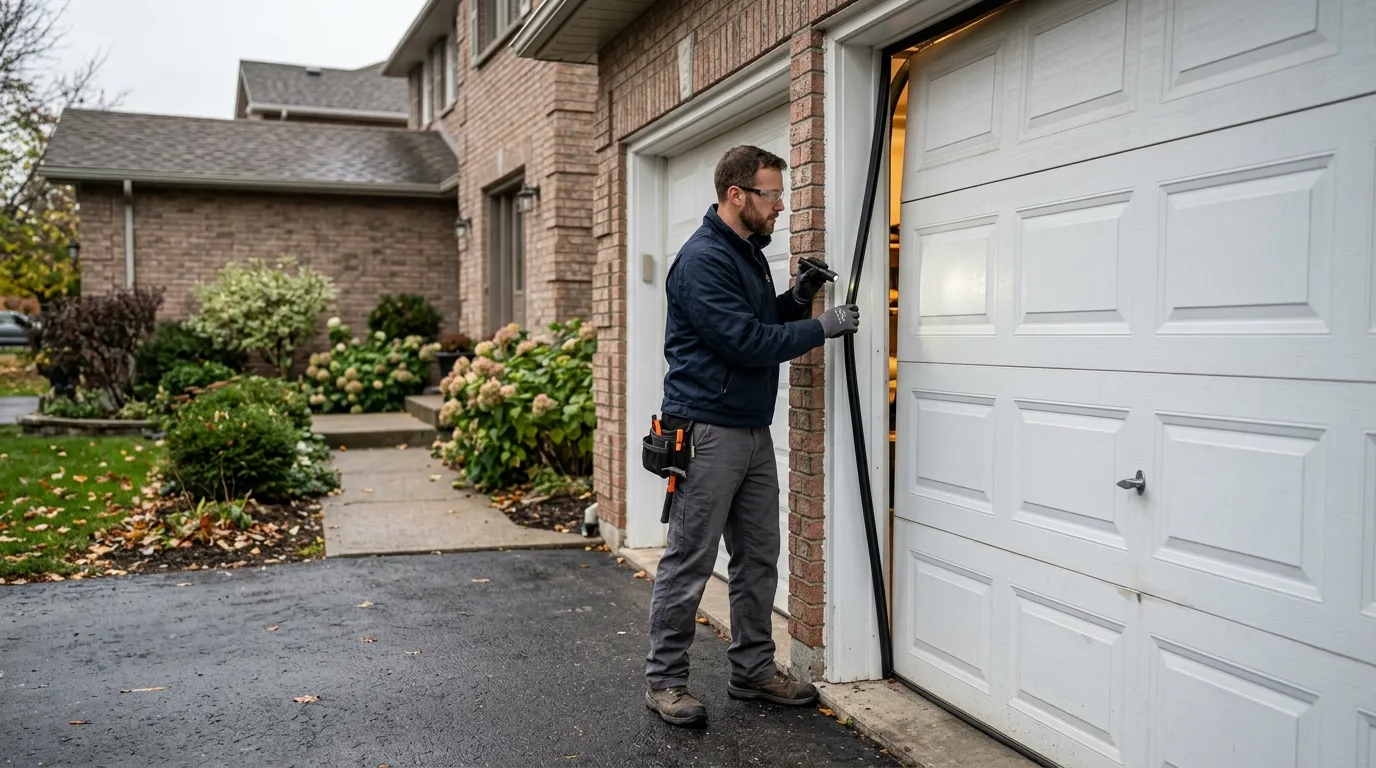
Springs, cables, tracks, rollers, and openers fixed by a tech who explains the problem before touching anything.
Learn more →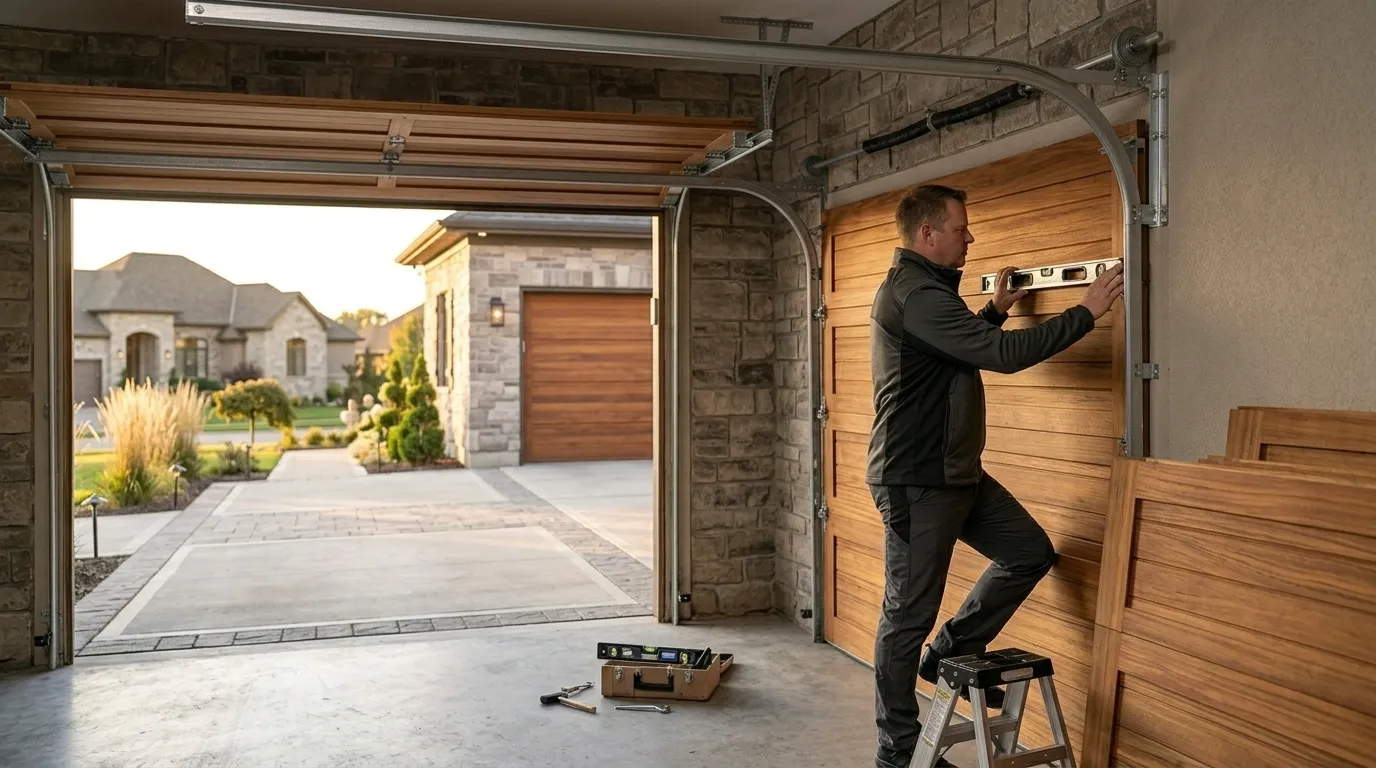
Garage Door Installation
New sectional doors sized and installed for the housing stock actually built in this area.
Learn more →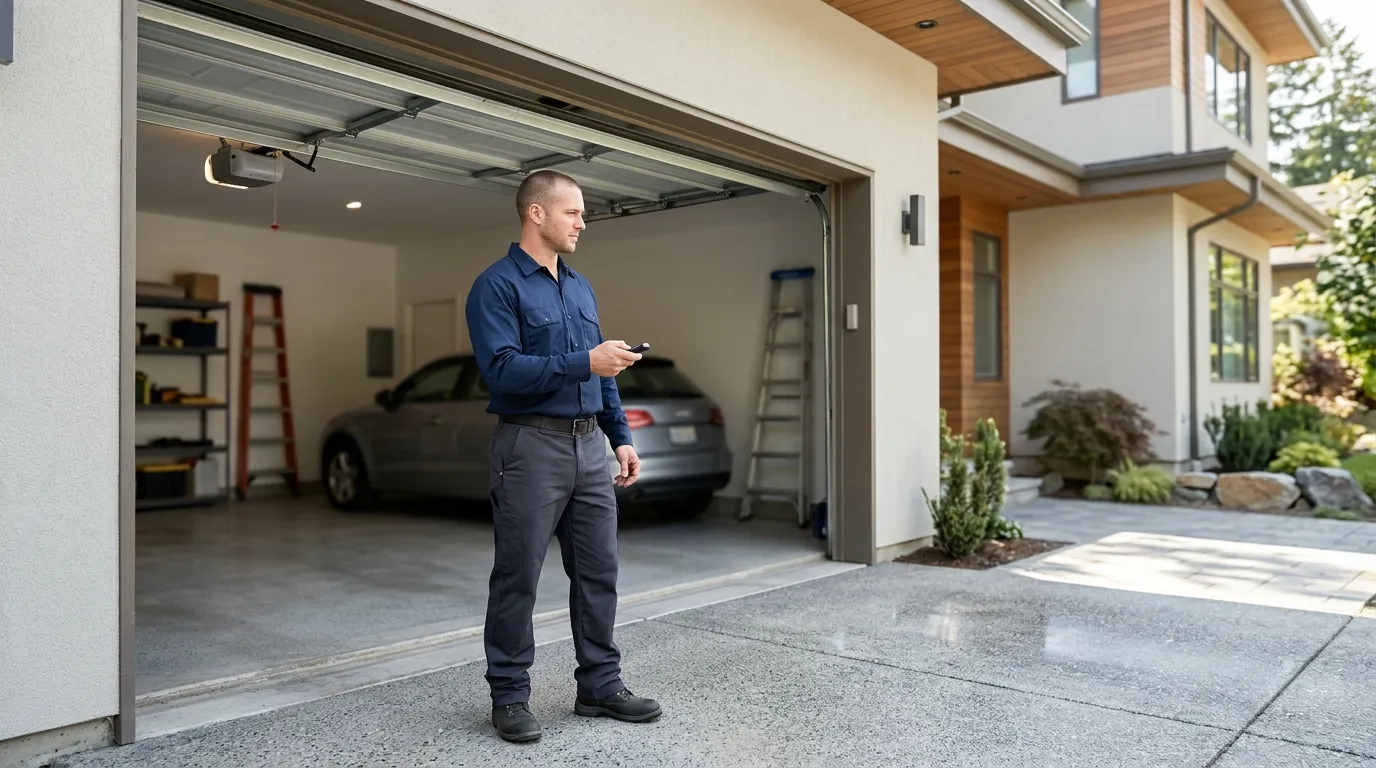
Garage Door Service
Tune-ups, lubrication, and safety checks that catch a small problem before it becomes a service call.
Learn more →What Happens When You Call
-
1
Call or Request a Quote
Tell us what the door is doing and roughly how old the house is - that alone points us toward the likely part before a truck leaves.
-
2
On-Site Diagnosis
A tech checks the spring, cables, tracks, and opener in person and tells you plainly what is actually wrong.
-
3
Straight Price, No Surprises
You get a number before any work starts. It covers parts and labor, nothing added after the fact.
-
4
Fixed the Same Visit
Most repairs are done in one trip. If a part needs sourcing, we tell you that upfront instead of guessing.
Frequently Asked Questions
Do you have a shop in Rolling Hills Estates?
No. We run out of Los Angeles, about 17 miles away, and drive out for scheduled jobs. We don't claim a local depot or a guaranteed response window here - we book the visit and give you a realistic window based on the day's route.
Why does my 1970s garage door need two new springs instead of one?
When a door's springs are the same age, which is typical on original 1970-era hardware, one breaking usually means the other is close behind it. Replacing both at once costs more up front but avoids a second service call within a year of the first repair.
Is my original opener from the 1970s going to fail soon?
If it's the original unit, yes, it's well past typical opener lifespan regardless of how it looks running today. Worn gears and old logic boards tend to fail without much warning, and safety-reversal sensors on older units don't meet current expectations.
Does the coastal climate here affect garage door hardware?
The mild temperate climate in this area is easier on doors than colder inland regions, but hillside humidity and marine air still cause slow corrosion on tracks, hinges, and spring coils over the decades, which is common on original 1970-era hardware we see out here.
Get Your Door Fixed in Rolling Hills Estates
Call now for same-area service.