
Los Angeles Garage Door Guide
Detached or Attached: Why Your Garage Door Choice Depends on How Your House Was Built
Los Angeles houses split between detached garages built in the 1960s tract era and attached bays added later - here's how that difference changes door choice and repair in a mild climate.
- Licensed & Insured
- Same-Area Service Calls
- Upfront Pricing
What to Check
Start with the basic layout question: is the garage its own structure out back, or does it share a wall with the house? Across the Los Angeles service area, homes went up between 1943 and 2012, with the median build year sitting around 1961 - a period when detached, single-car garages set at the rear of the lot were the standard tract layout. If your house falls into that older wave, check whether the door still runs on the original hardware track mounted to a freestanding frame, since that framing settles differently than a wall shared with living space.
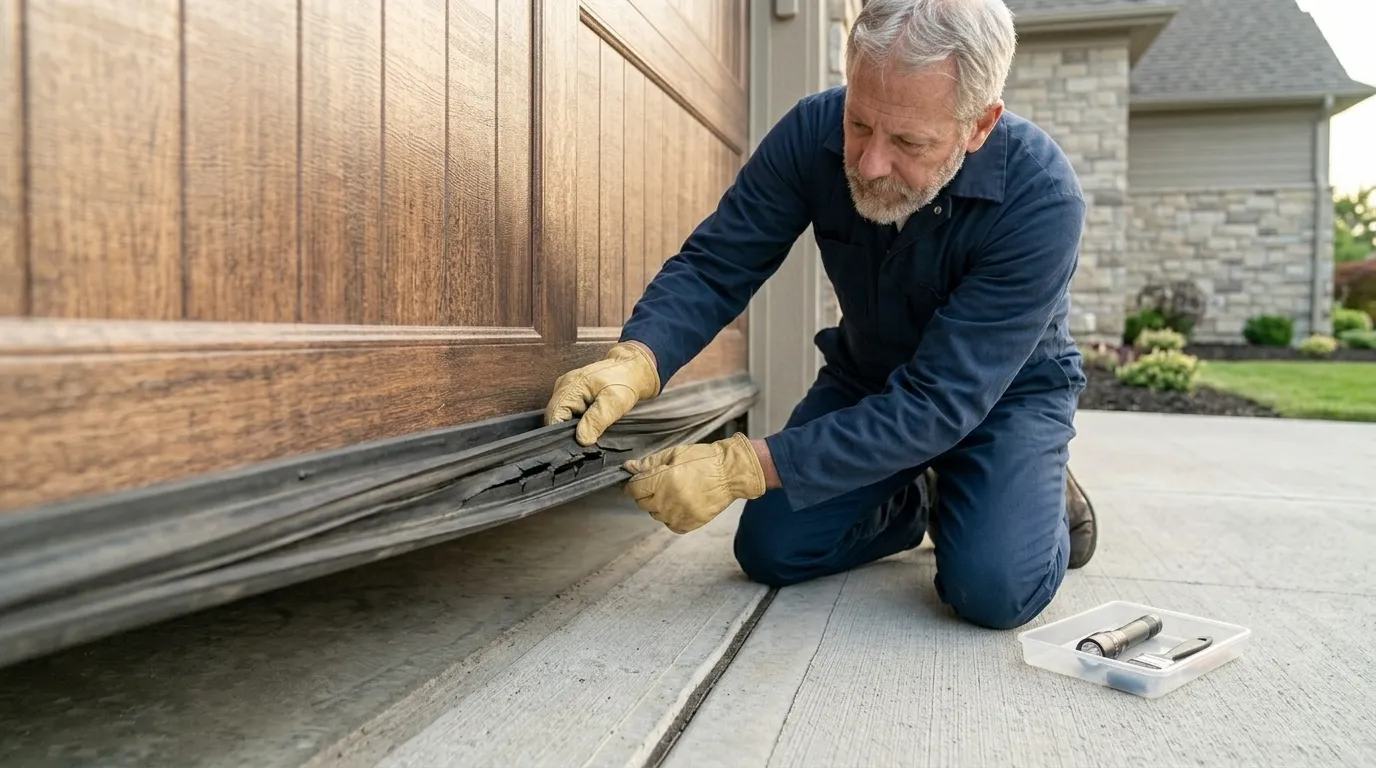
If your garage is attached, check the wall and header between the garage and the house interior. Attached bays became more common as lots got remodeled or built out later within the same 1960s-70s stock that dominates the area's 52 named neighborhoods. That shared wall means the door's fit and seal affect more than the garage - they affect the room next to it. Look for daylight gaps at the top corners and along the bottom seal, and check whether the door binds when the house itself shifts slightly on warm afternoons.
What Local Conditions Do
The mild temperate band this area sits in doesn't put doors through freeze-thaw cycling or heavy rain load, so you won't see the rust-through or ice-jammed track failures common elsewhere. What it does do is bake exposed panels with steady UV and swing the temperature between a cool morning and a hot afternoon inside the same day, especially on west-facing doors with no overhang.
On a detached garage, that swing just moves the metal or wood panel - expansion and contraction that loosens screws and dries out old wood over years. On an attached garage, the same swing pushes warm air against the shared wall, and if the door seal has gapped, that heat (or the reverse on a cool coastal evening) transfers into the room behind it. Neither case is dramatic on its own, but in a climate this mild, doors often go a decade or more without an obvious failure - which means small gaps and misalignments get ignored longer than they would somewhere with harsher weather forcing the issue.
What Is Going On
The housing stock here runs from 1943 to 2012, with most of it concentrated in that 1960s-70s window across the named communities in this service area - from Palms and Cheviot Hills right at the edge to Culver City a mile out. That build pattern means two garage generations are living side by side on the same block: original detached garages from the postwar tract boom, and attached garages added or converted later as owners expanded the house footprint.
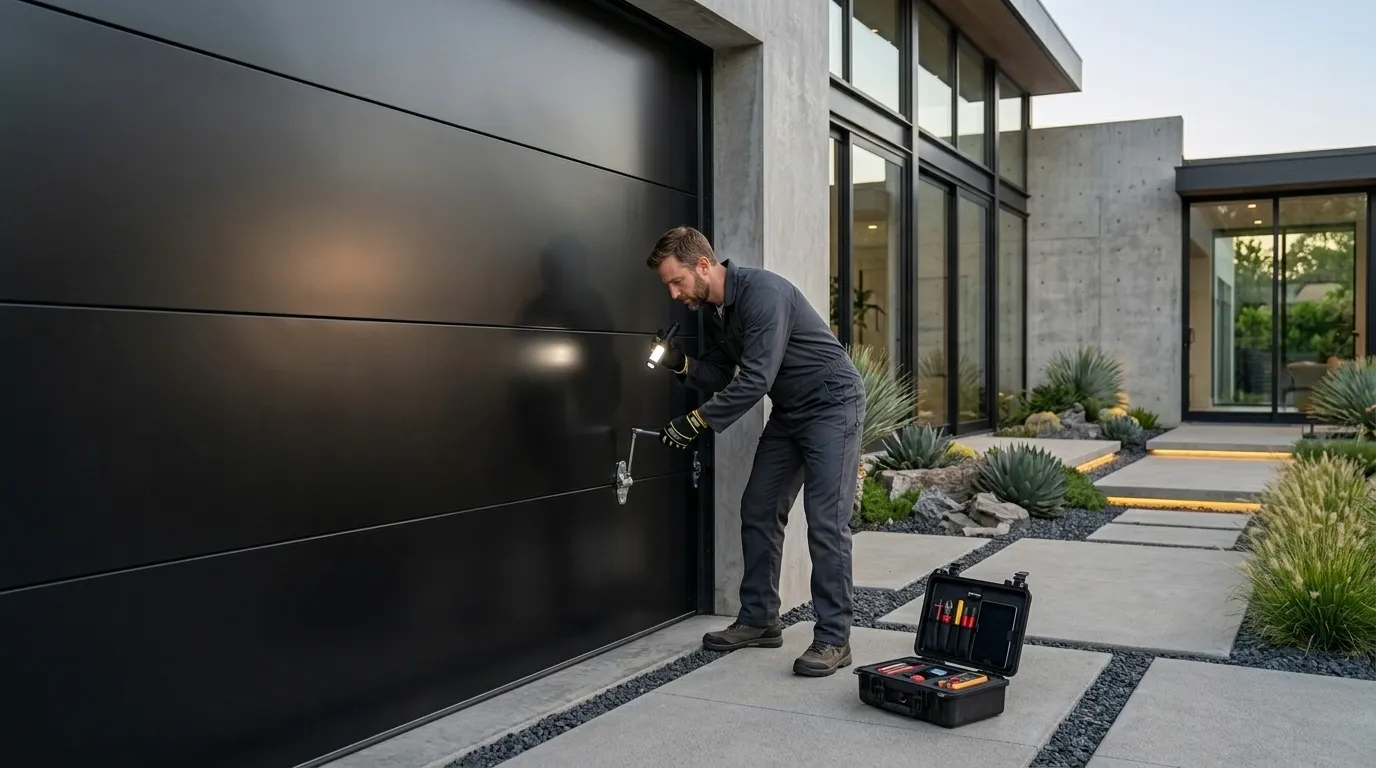
The practical effect is that a torsion setup original to a 1961-era detached garage often doesn't match the header clearance or spring sizing of an attached bay built into a later addition. When a homeowner calls about a door that suddenly binds or won't seat evenly, the first thing worth knowing is which generation of garage they're dealing with, because the fix for a shifted freestanding frame is not the fix for a shared-wall header that's settled against the house.
Doing Nothing For Now
If you've got a detached garage with no living space behind it and the door still opens smoothly, there's real room to wait - a scuffed panel or a slightly loose track fitting on a standalone structure in this mild climate isn't racing toward failure the way it might in a harsher region. That's the honest limit here: we won't tell you a cosmetic issue on a freestanding garage needs same-week attention when it doesn't.
An attached garage is a different call. A gapped seal or a door that's stopped closing flush isn't just a garage problem once that wall backs onto a bedroom or a laundry room - waiting there costs you comfort and security, not just curb appeal. Given how much of this area's stock is original 1960s construction with additions layered on later, it's worth knowing which side of that line your garage falls on before deciding a repair can wait.
How We Can Help
Garage Door Repair
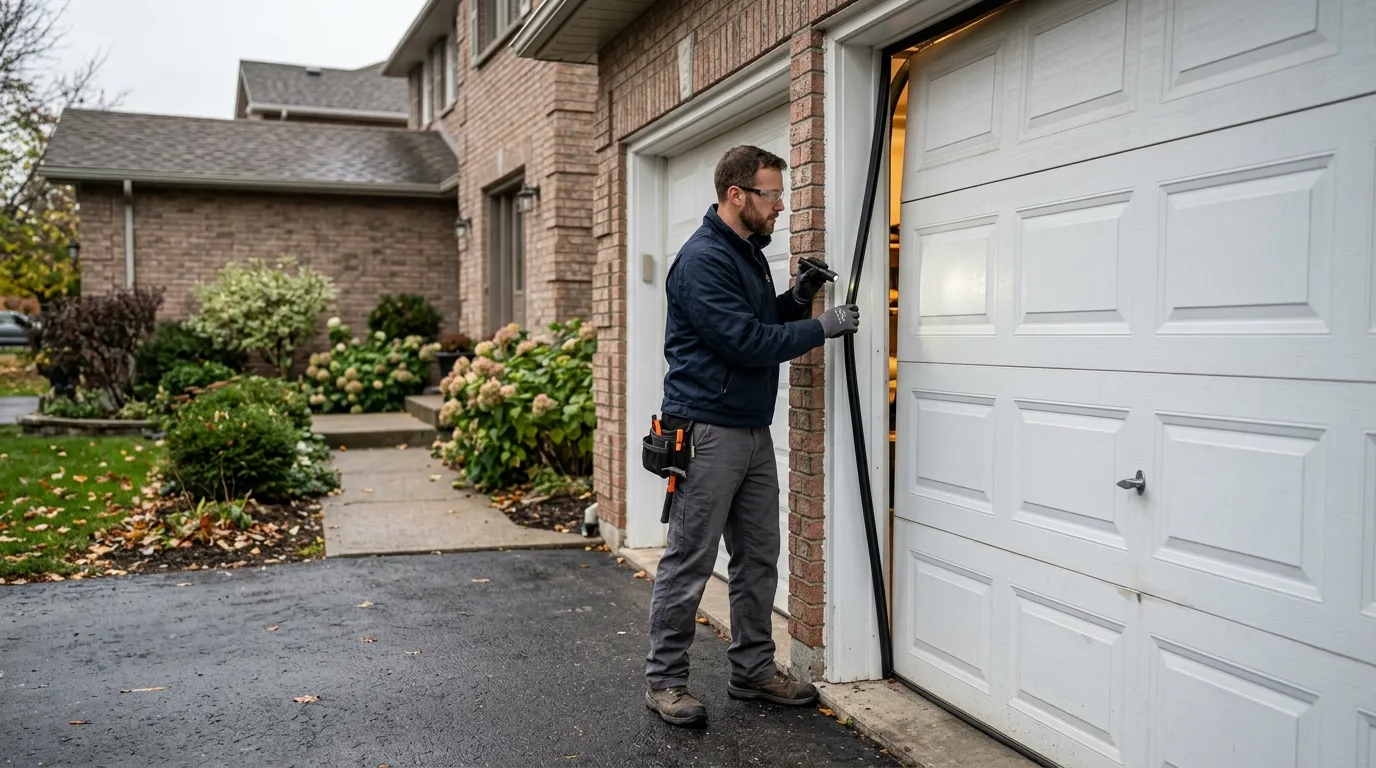
Springs, cables, tracks, rollers, and openers fixed by a tech who explains the problem before touching anything.
Learn more →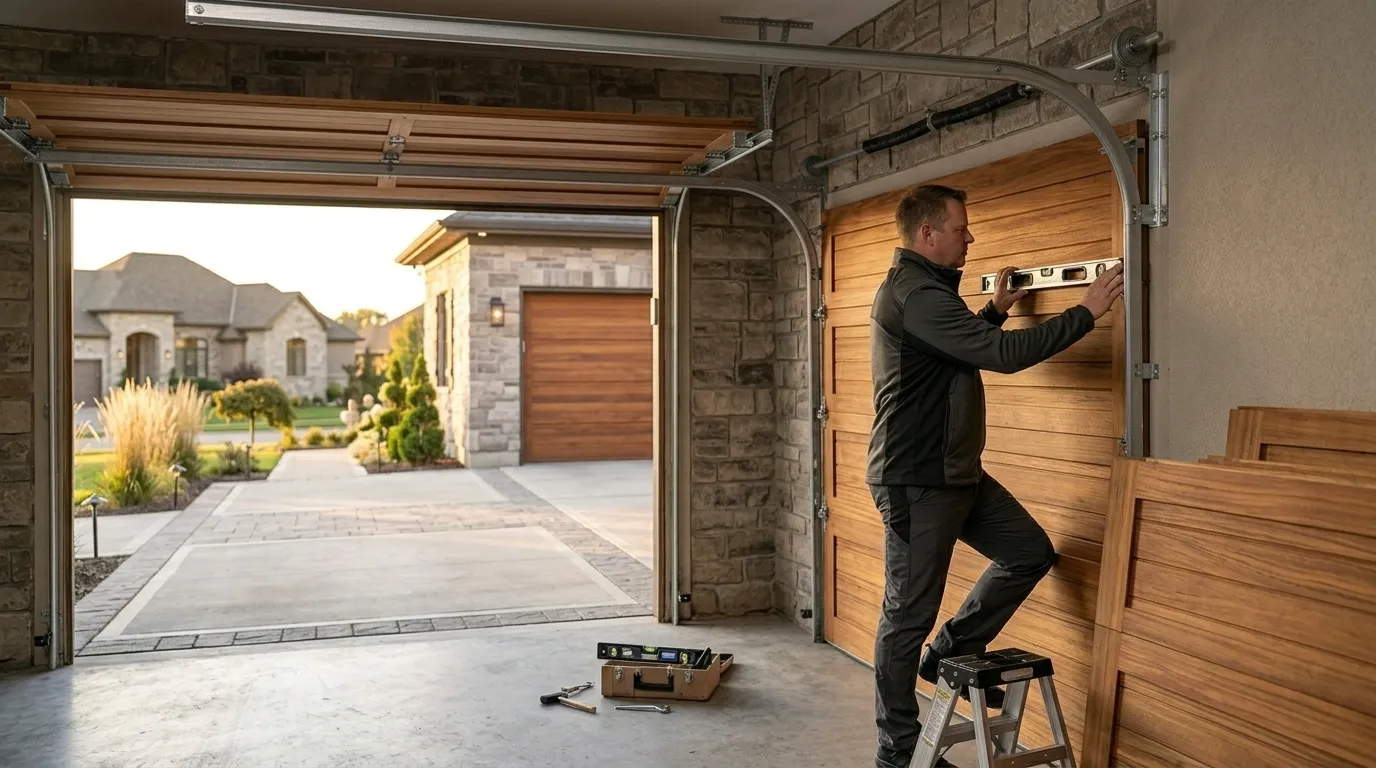
Garage Door Installation
New sectional doors sized and installed for the housing stock actually built in this area.
Learn more →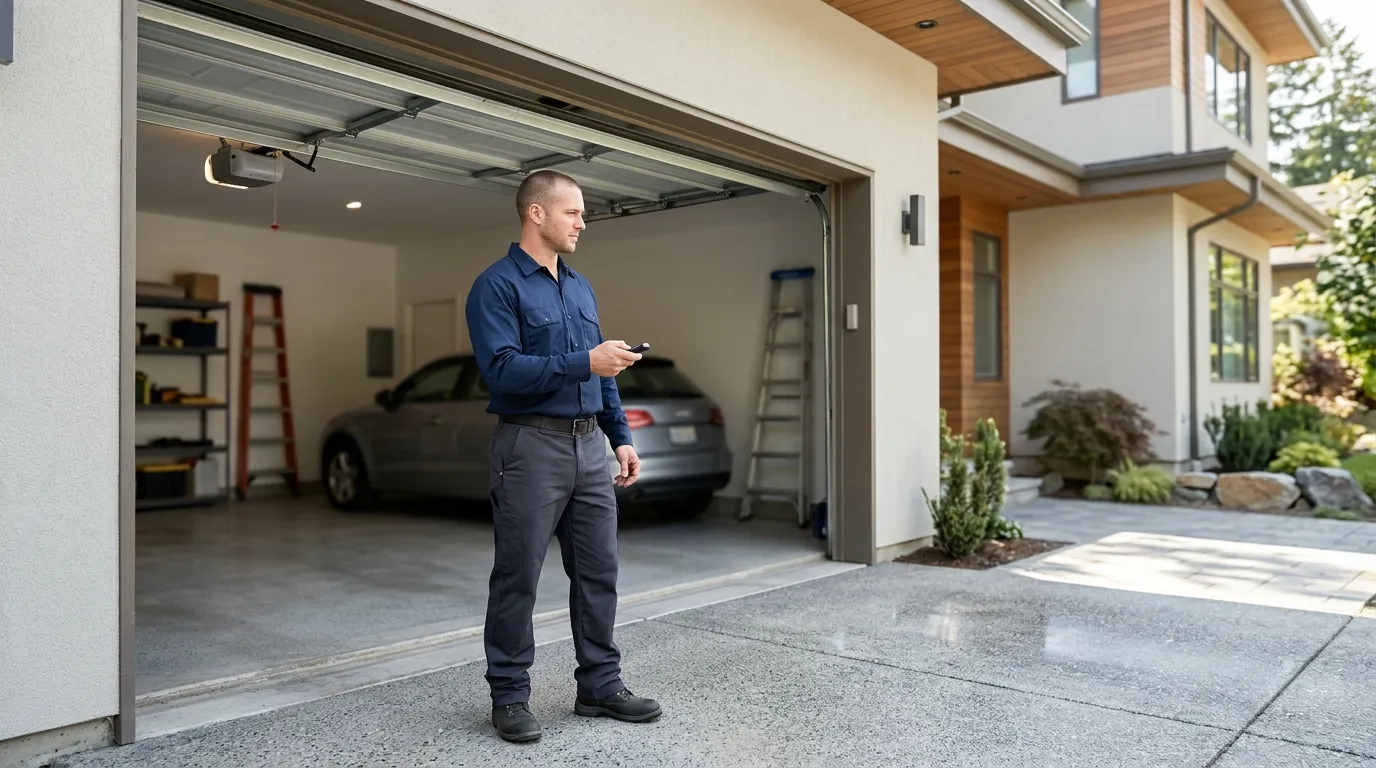
Garage Door Service
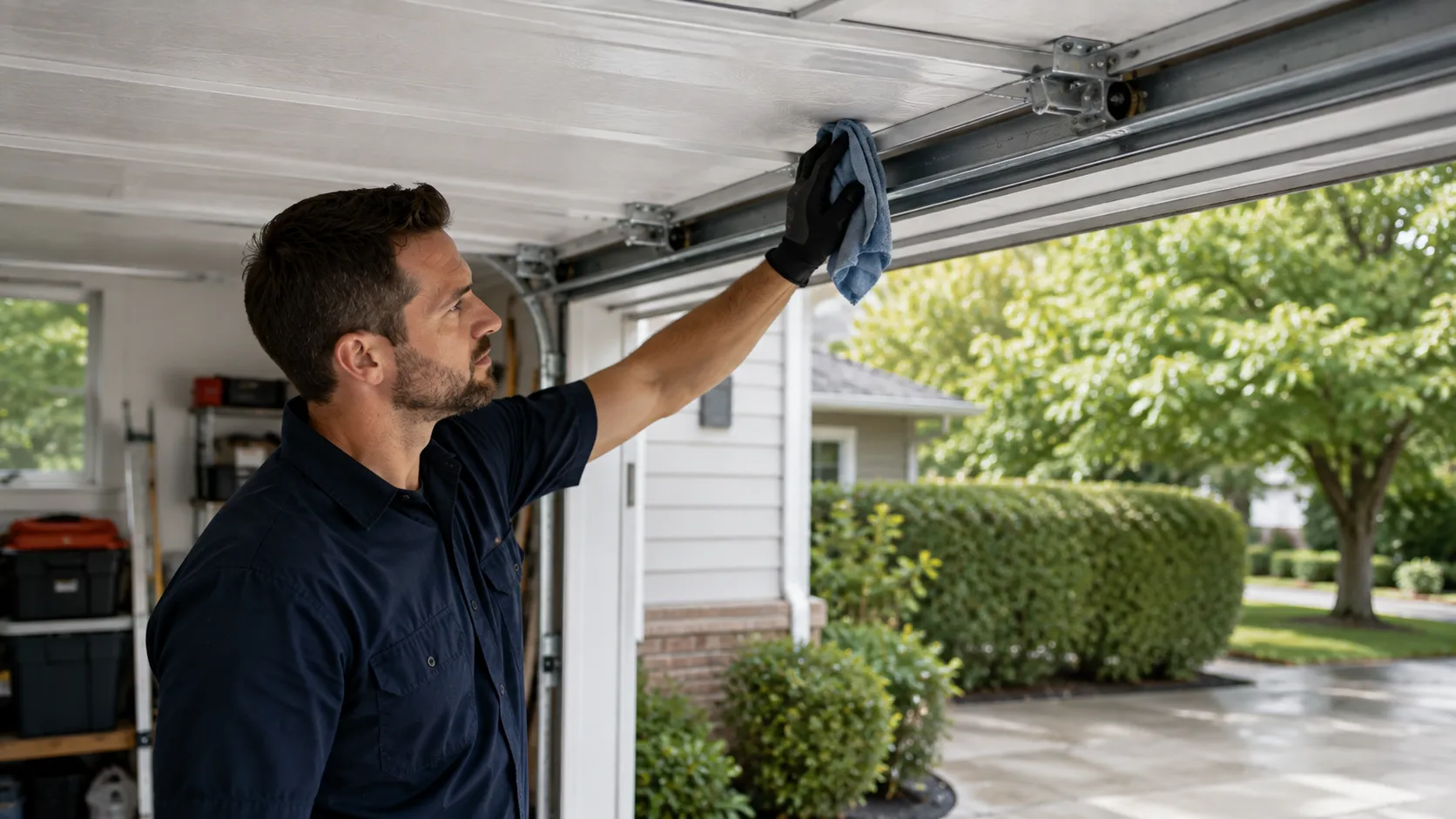
Tune-ups, lubrication, and safety checks that catch a small problem before it becomes a service call.
Learn more →Frequently Asked Questions
Does it matter if my garage is detached or attached when I call for a repair?
Yes. A detached garage from the area's typical 1960s-70s build era usually has a simpler standalone frame, while an attached garage built later or added as a remodel often has different header clearance and spring sizing. Telling us which one you have before the visit helps us bring the right hardware the first time.
Does the mild climate here mean I can skip garage door maintenance?
Not entirely. You're spared the rust and freeze damage that harsher climates cause, but steady UV and daily temperature swings still loosen hardware and dry out seals over years - it just happens slowly enough that homeowners here tend to notice it later than they would elsewhere.
Is a detached garage door cheaper to maintain than an attached one?
We don't have area-specific pricing to quote here, but structurally a detached garage's issues usually stay contained to the garage itself, while an attached garage's door seal affects the adjoining room too, which is often why attached-garage repairs get flagged as more urgent.
Have a Door That Needs a Second Opinion?
Call and describe what it is doing - we will tell you what it likely is.