
Los Angeles Garage Door Guide
What to Know Before You Replace a Garage Door in Los Angeles
Replacing a garage door in Los Angeles means matching 1960s track spacing, mild-climate hardware needs, and the load code for older housing stock here.
- Licensed & Insured
- Same-Area Service Calls
- Upfront Pricing
What to Check
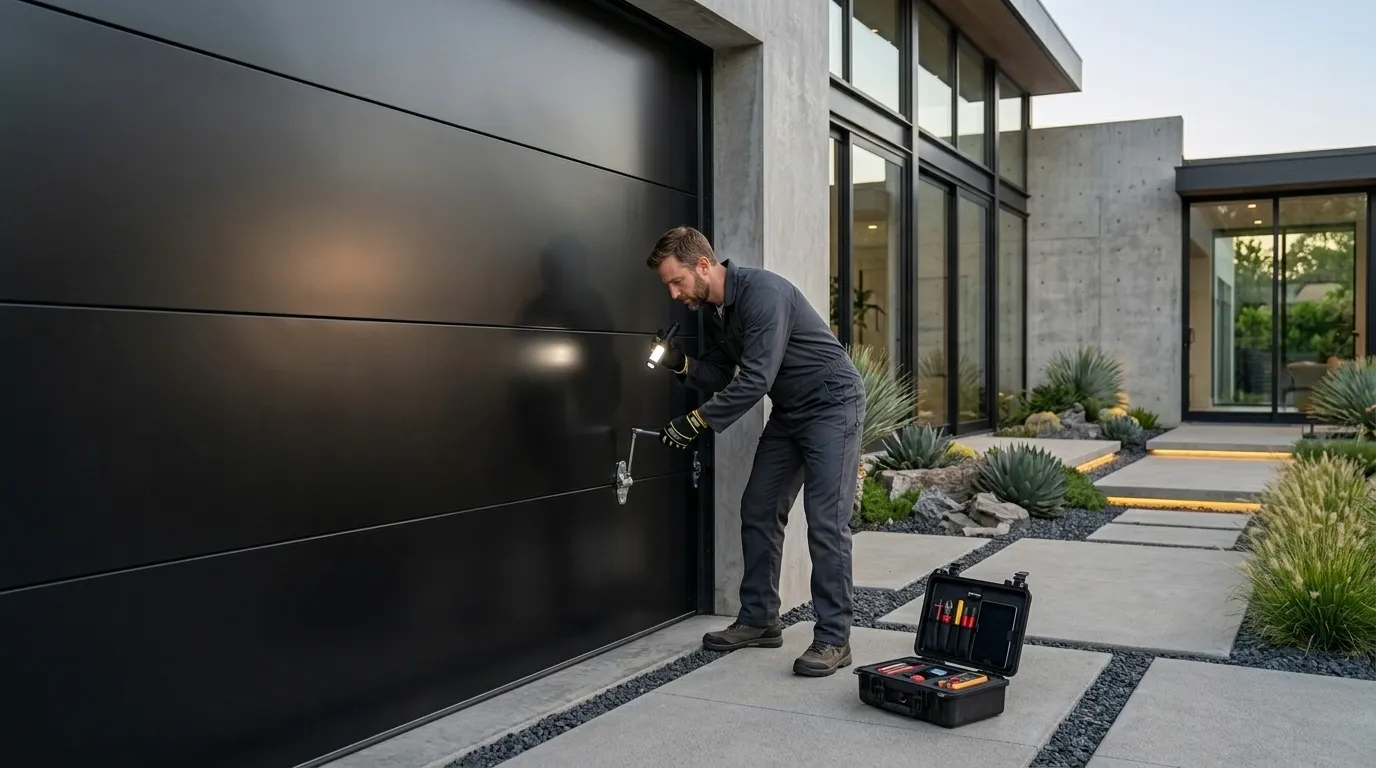
Before you order anything, measure the opening and look at what's holding the current door up. Housing across this service area went up mostly between 1943 and 2012, with a lot of it clustering in the 1960s and 70s across the 52 named areas we cover - Palms, Mar Vista, Cheviot Hills, Beverlywood, and the rest. That means a good share of openings are still sized for the double-track, side-mounted torsion setups builders used back then, not the center-mounted torsion bar that's standard on new doors now. Check headroom first. A lot of these garages were built with minimal clearance above the opening, which limits which new door and opener combos will actually fit without a low-headroom kit. Check the jamb condition too - original wood jambs from that era have usually taken decades of settling, and a new door needs a square opening to seal and run right. If you're getting quotes, ask what track and headroom the installer is actually measuring for, not just the door panel size. A door that's the right width but wrong on headroom or track type either doesn't go in clean or costs more once they're already on site.
What Local Conditions Do
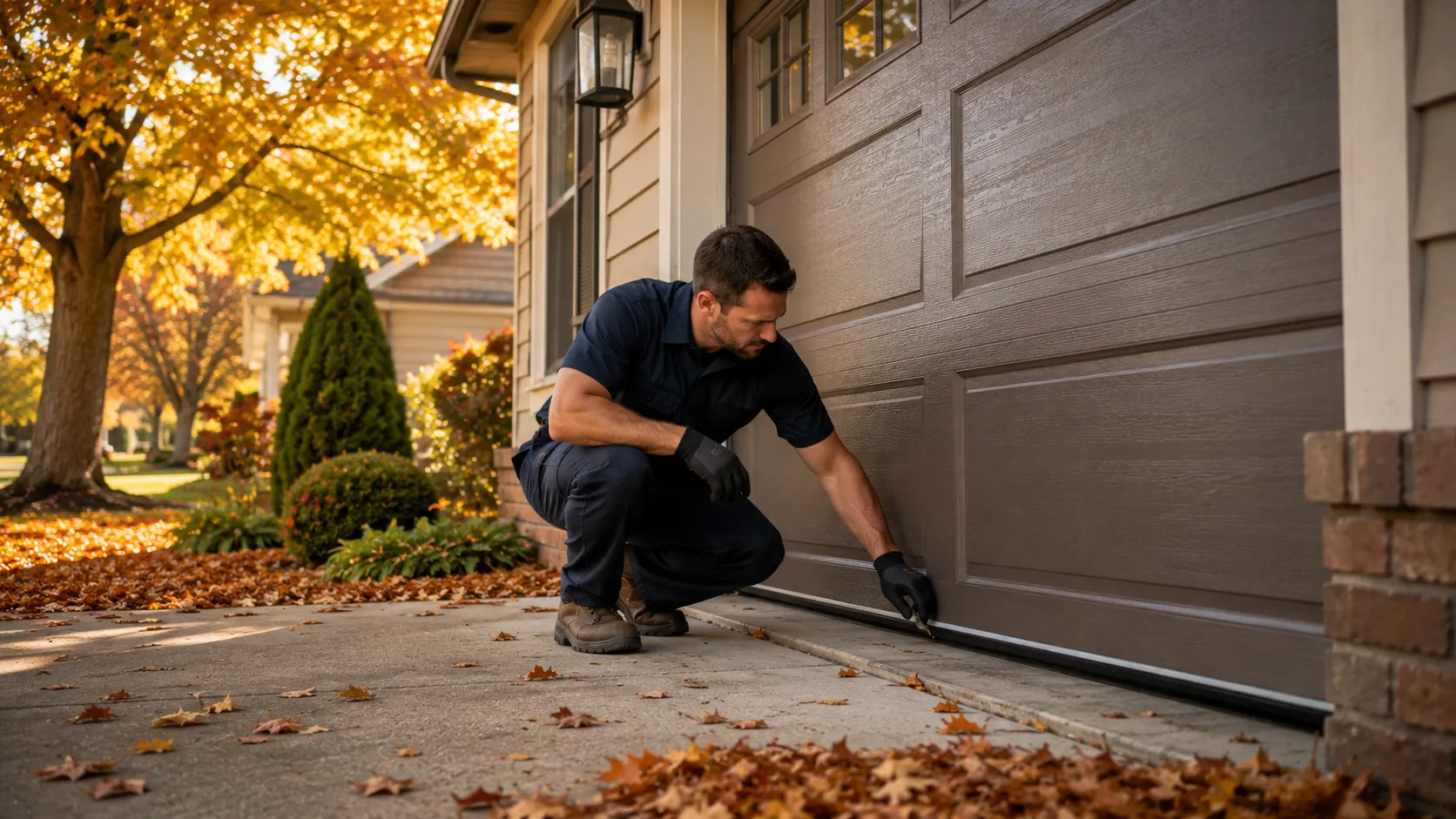
This area sits in a mild temperate band, so you're not dealing with freeze-thaw cracking springs or ice jamming a track the way a colder climate would. That's the good news. The catch is proximity to the coast - Marina del Rey and Playa Vista are just a few miles out, and that marine air moves inland enough to matter. On older doors, it shows up first as surface rust on galvanized track brackets and hinges, well before the panel itself has any real wear. If your current hardware is original to a 1960s or 70s install, that's forty-plus years of low-grade corrosion working on steel that wasn't coated the way new hardware is. Heat isn't the driver here the way it is inland - it's the slow oxidation from damp coastal mornings. When you're pricing a replacement, ask what grade of hardware comes with the door. Galvanized or coated steel track and fasteners cost a little more up front and hold up a lot longer in this air than bare or lightly coated parts. It's a small line item that decides whether you're doing this again in ten years or twenty.
What Is Going On
A lot of the calls we get for replacement, not repair, trace back to the same thing: doors original to houses built when the median year here was 1961 are simply past their design life. Springs, rollers, and even the panel steel on a door that old have absorbed decades of daily cycles, and at some point patching one more part stops making sense. With 200,536 owner-occupied houses in this service area and a median household income around $86,072, most homeowners here are working with a real but not unlimited budget, and they're usually replacing a door once - not swapping it out again in five years because the first choice didn't fit right. That's part of why getting the opening measurements and hardware grade right matters more than picking a style off a brochure. The other piece is code. Newer doors have to meet current wind load and safety standards that didn't exist when a lot of this housing went up, so a straight swap of an old panel for a similar-looking new one isn't always as simple as it looks - the track, springs, and sometimes the framing around the opening need to come up to that standard at the same time.
Doing Nothing For Now
Here's the honest part: if your door is opening and closing the way it should, there's no rule that says you have to replace it just because it's original to a house built in the 1960s. A lot of doors from that era are still running fine on hardware that's simply been maintained - lubricated, rebalanced, roller and cable swaps as needed. In a mild climate like this one, the deciding factor is usually mechanical wear and rust on exposed steel, not heat or cold doing damage the way it would elsewhere. What we won't do is tell you a working door needs replacing just because of its age. Where we draw the line is when the frame is out of square, the track is bent beyond a clean adjustment, or the springs are original and showing corrosion at the coils - at that point, repair costs start stacking up close to what a new door runs, and you're better off putting the money into something built to current code. If you're not sure which side of that line you're on, that's a fair thing to have someone look at before you decide either way.

How We Can Help
Garage Door Repair
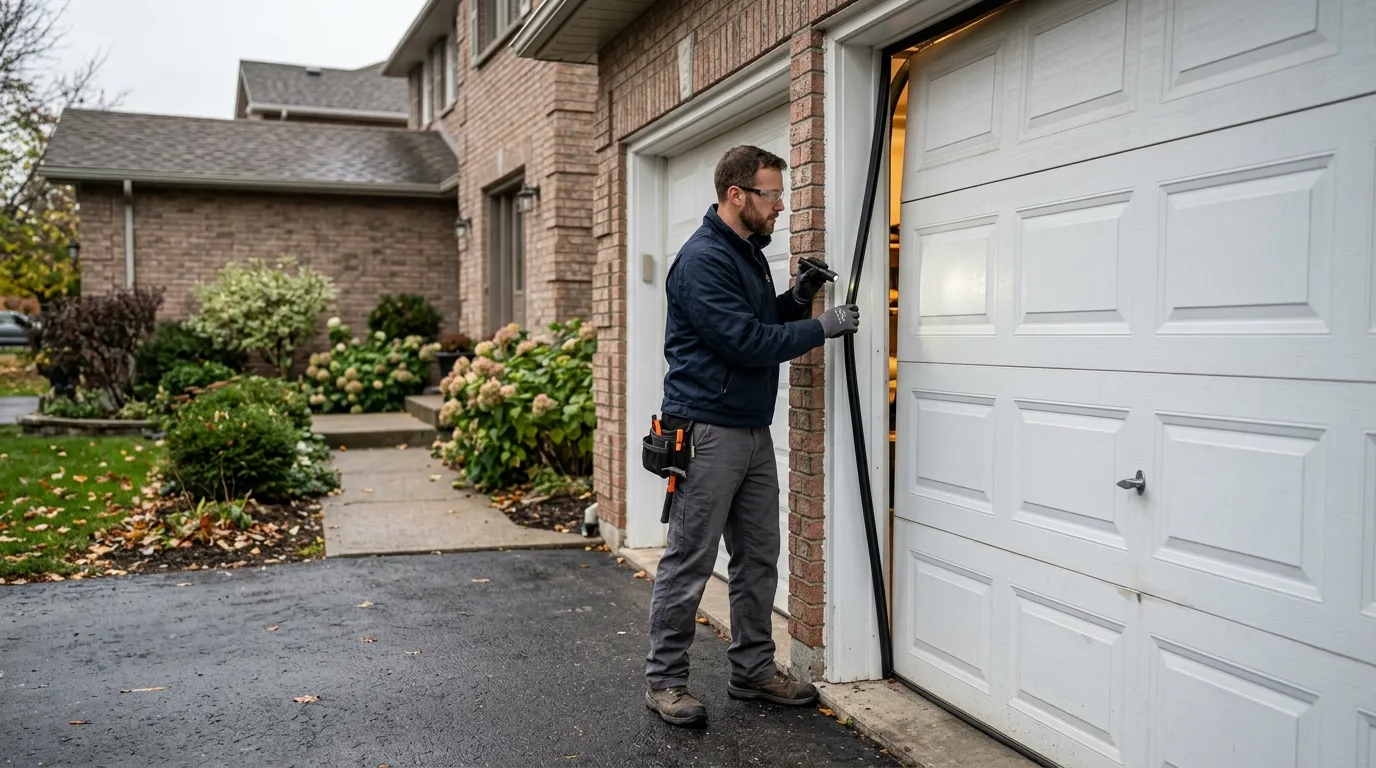
Springs, cables, tracks, rollers, and openers fixed by a tech who explains the problem before touching anything.
Learn more →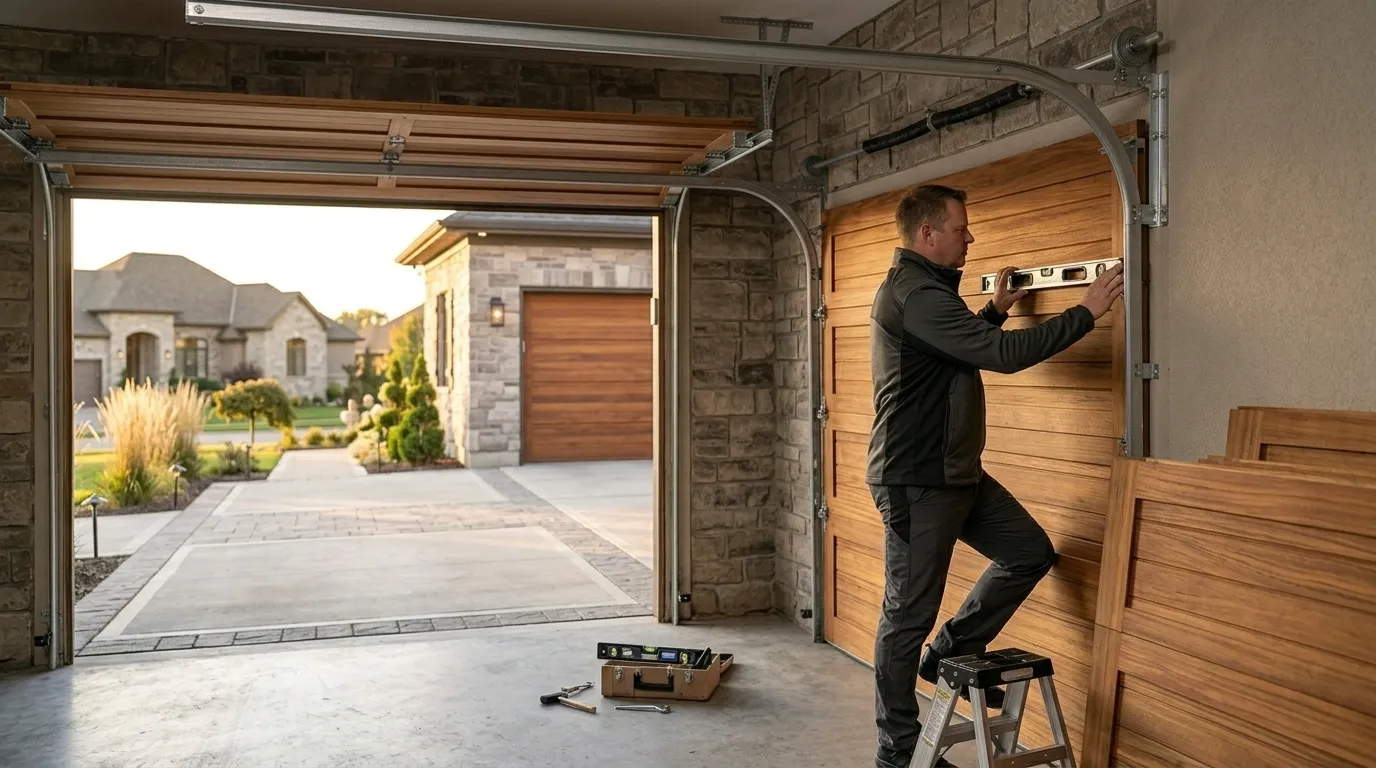
Garage Door Installation
New sectional doors sized and installed for the housing stock actually built in this area.
Learn more →
Garage Door Service
Tune-ups, lubrication, and safety checks that catch a small problem before it becomes a service call.
Learn more →Frequently Asked Questions
Will a new garage door fit my original 1960s opening without changes?
Often yes for width, but headroom is the usual sticking point. A lot of houses from that era were built with less clearance above the opening than new doors and openers expect. Depending on what we find, you might need a low-headroom track kit rather than a full frame rebuild, but it's worth checking before you order a door.
Does the coastal air out here actually affect garage door hardware?
Yes, more than heat does in this climate. Being a few miles from Marina del Rey and Playa Vista means enough marine moisture reaches inland to speed up rust on uncoated track brackets and hinges. It's usually a slow buildup over many years, not sudden failure, but it's a real factor when picking hardware grade.
Is it worth repairing an original door instead of replacing it?
Depends on what's wrong. If it's a spring, a roller, or a cable, repair almost always makes sense. If the track is bent, the frame's out of square, or corrosion has gotten into the coils, repair costs can climb close to replacement - at that point a new door built to current code is the better spend.
Do I need to bring anything up to code if I just swap the door?
Possibly. Current doors meet wind load and safety standards that didn't exist when most of this area's housing went up. A straight panel swap can sometimes mean the track or spring setup also needs to come up to that standard, so it's not always as simple as matching the old size.
Have a Door That Needs a Second Opinion?
Call and describe what it is doing - we will tell you what it likely is.