
Service
Garage Door Opener Installation Across Los Angeles
Opener installation and replacement across Los Angeles, tied to the area's 1960s-70s housing stock and mild climate. Serving Palms, Mar Vista, Century City, and 49 other named areas.
- Licensed & Insured
- Same-Area Service Calls
- Upfront Pricing
Booking a Visit
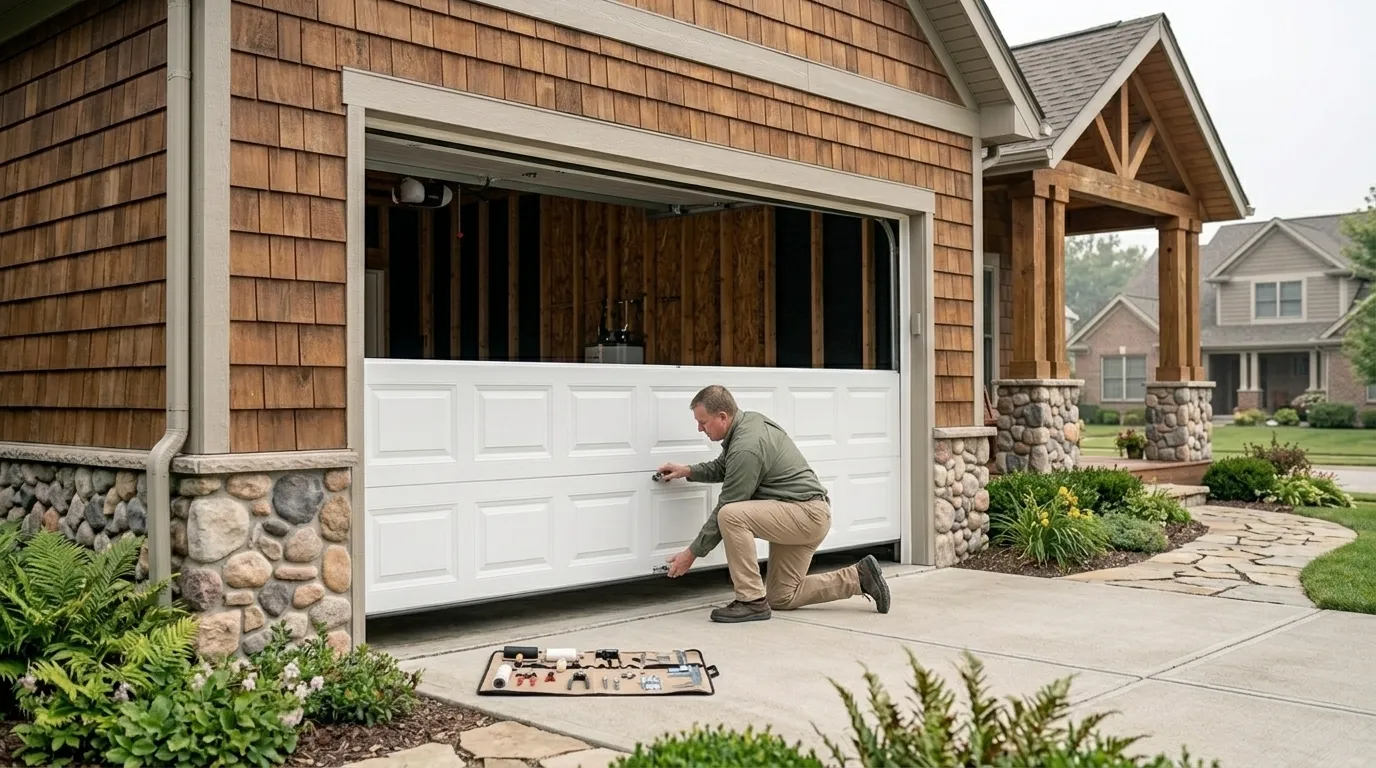
We cover the Los Angeles service area, which runs across 52 named neighborhoods from Palms and Cheviot Hills out to the edges near Torrance and Carson. Opener installation is a same-visit job in most cases: one trip to look at the door, the header, and the wiring, and one trip to put the new unit in and set the travel limits. If the bracket or header is rotted out from an old chain-drive unit, that sometimes means a second trip for a header repair before the opener goes up.
We book by phone, and we'll ask what area you're in before anything else, since travel time varies a lot between a Palms garage and one out near Carson. Start at / to reach us and get a visit on the schedule.
What Causes It Around Here
Housing across this service area went up mostly between 1943 and 2012, with the median build year at 1961, and most of the stock still standing dates to the 1960s and 70s across all 52 named areas. That matters for openers because a garage built in 1962 has likely had two or three openers in it since - chain-drive units from the 80s and 90s, then a jackshaft or belt-drive retrofit later on. The gears, capacitors, and logic boards in those older units just wear out; there's no dramatic failure event behind most of these calls.
The mild temperate climate here helps some - housings don't crack from freeze-thaw cycles and gears don't gum up with cold grease the way they would somewhere with real winters. So when an opener fails in this area, it's almost always mileage: years of cycles on aging gears, not weather damage. That's worth knowing before you assume something's broken beyond the opener itself - often the door and track are fine, and it's just the motor unit that's given out.
What It Costs
We don't post a flat number for opener installation because it depends on what you're replacing and what you're putting in. A straight swap onto existing brackets with a wall control you're keeping costs less than a full retrofit with a new rail, battery backup, and smart app control. Belt-drive units cost more up front than chain-drive but run quieter, which matters more in some garages than others depending on what's on the other side of that wall.
With median household income in this area at $86,072, we see plenty of owners spend the extra amount for a belt-drive and smart-control combo rather than replace like-for-like, but plenty of others just want the door working again for the least amount reasonably possible. We'll give you a real number after we see the door and the garage, not before. One honest limit: if your opener is original to a much older door with worn track or a spring near the end of its life, we'll tell you before we install anything new on top of failing hardware, since that's money you'd spend twice.
What You Are Seeing
The signs of a dying opener are usually the same regardless of which of the 52 areas you're in: the unit runs louder than it used to, grinding instead of humming; the remote works sometimes and not others; the door starts to close and reverses partway for no clear reason; or the motor runs but the door doesn't move because a gear inside has stripped. Across the service area's roughly 200,536 owner-occupied houses, these calls follow the housing stock - a unit installed when a 1960s or 70s house had its garage converted or updated tends to fail around the same age range as its neighbors' units.
If your opener is silent and dead with no hum at all, that's sometimes just a breaker or a bad wall switch, not the motor. Worth checking before you assume you need a new unit.
Jobs Like Yours
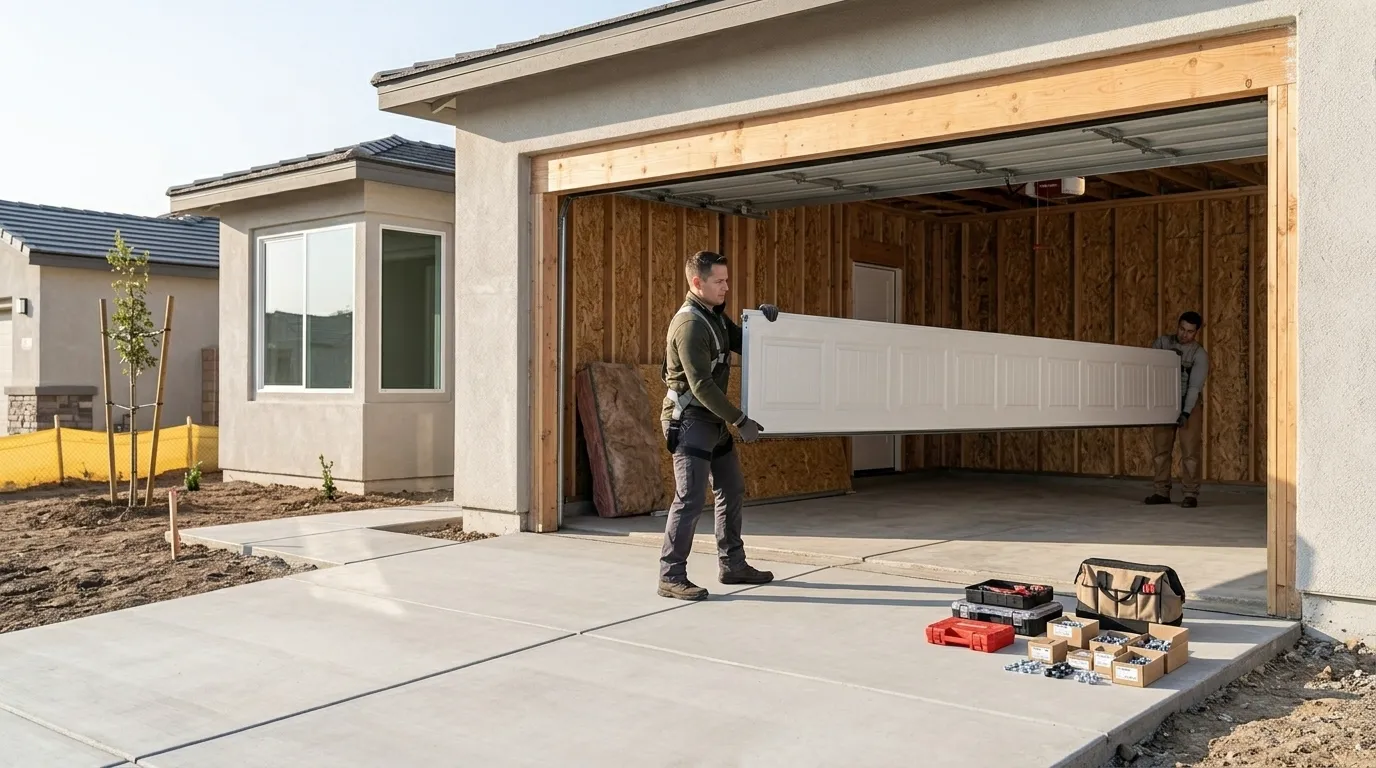
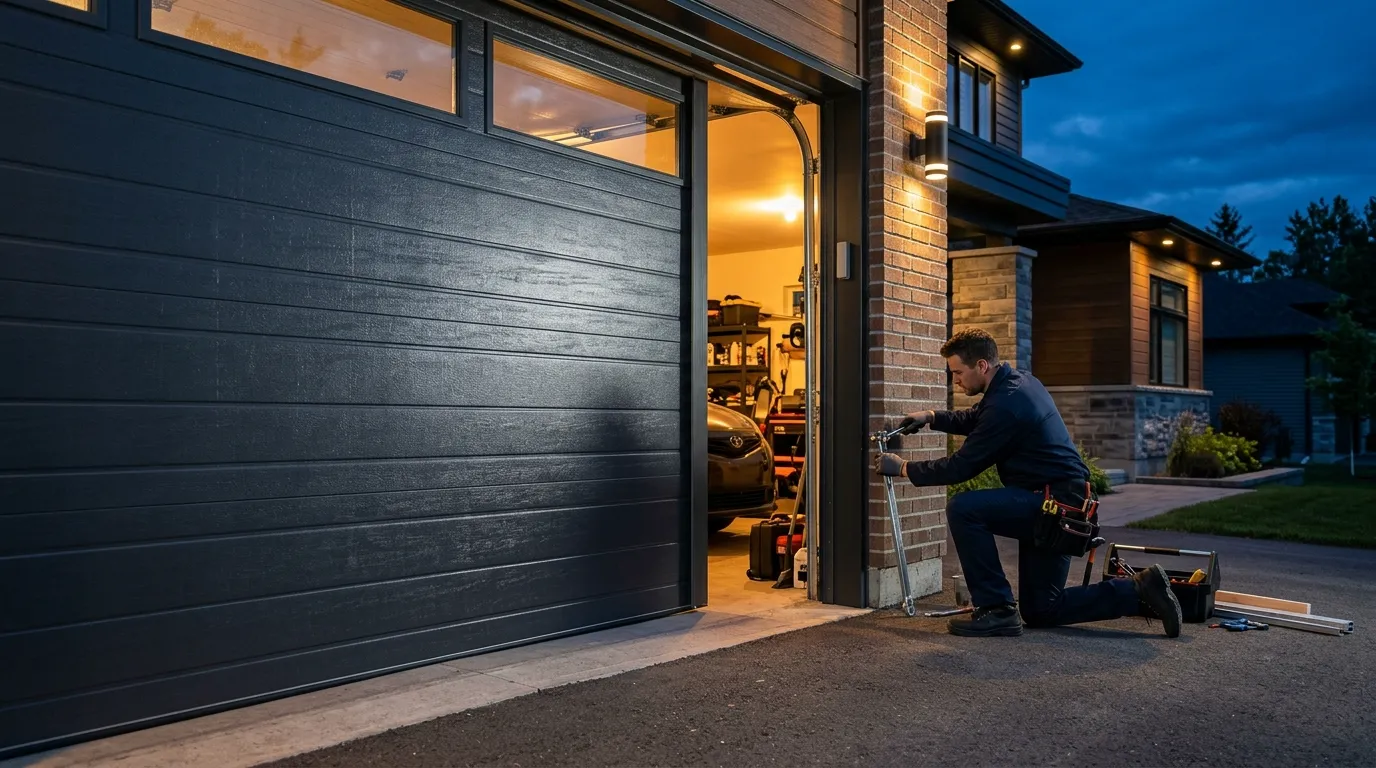
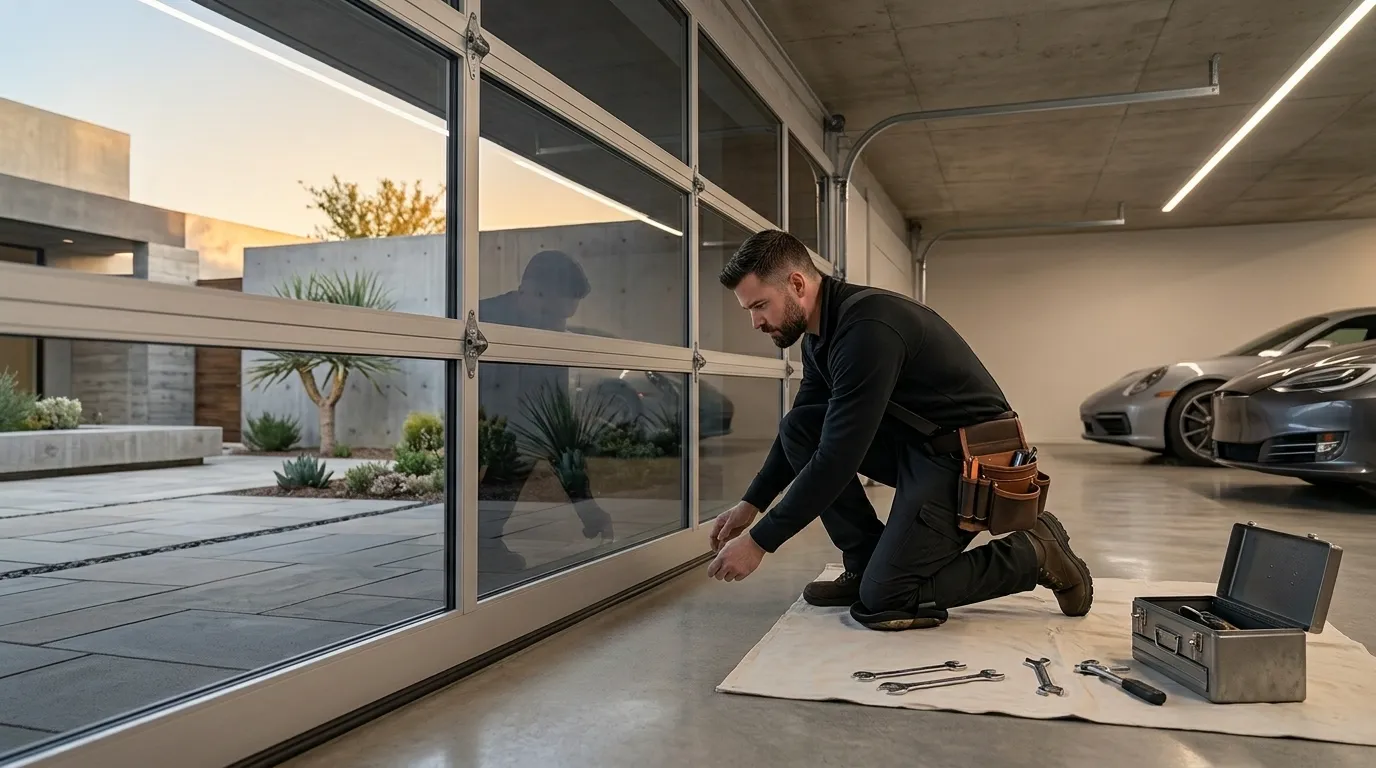
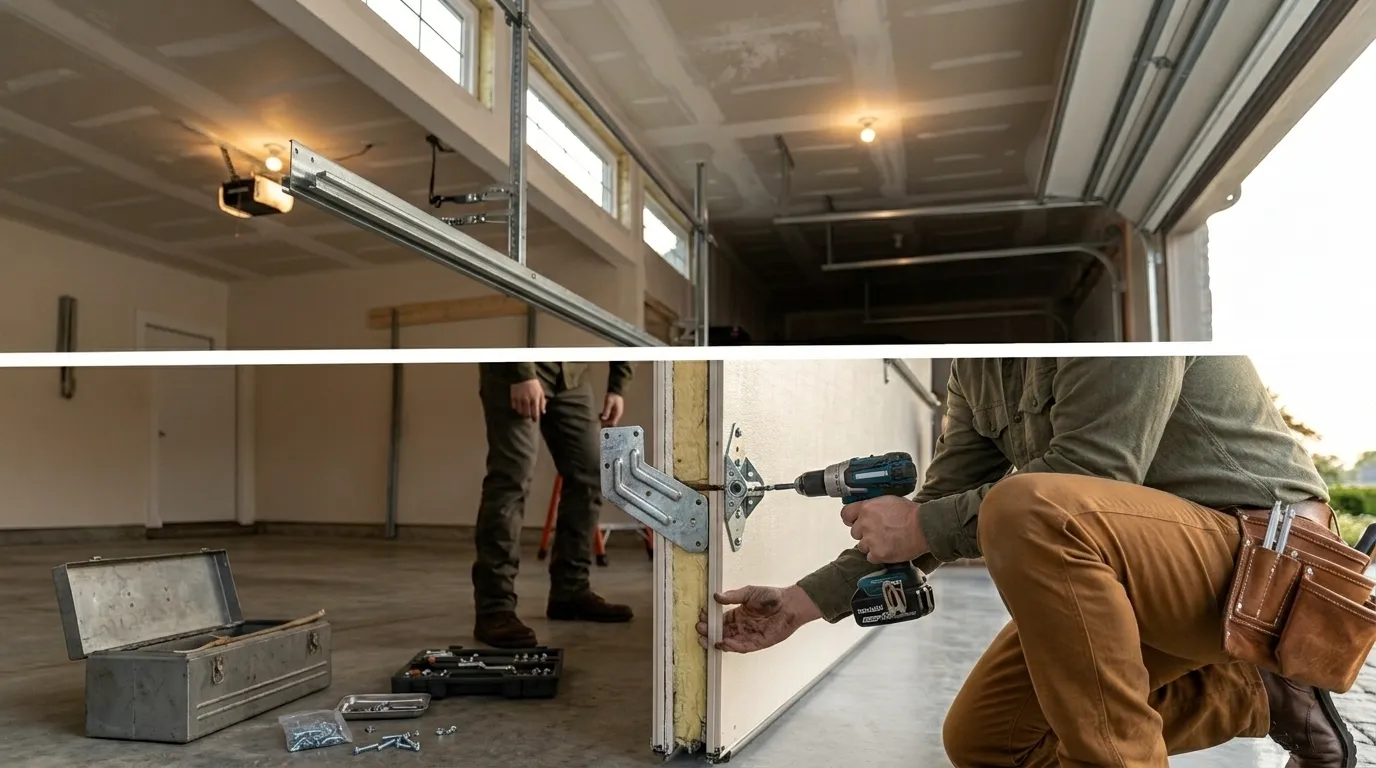
Recent work from this service line.
Talk to a Technician Before You Book
Describe what the door is doing and get a straight answer on what it likely needs.
Why Los Angeles Calls Us
What Happens When You Call
-
1
Call or Request a Quote
Tell us what the door is doing and roughly how old the house is - that alone points us toward the likely part before a truck leaves.
-
2
On-Site Diagnosis
A tech checks the spring, cables, tracks, and opener in person and tells you plainly what is actually wrong.
-
3
Straight Price, No Surprises
You get a number before any work starts. It covers parts and labor, nothing added after the fact.
-
4
Fixed the Same Visit
Most repairs are done in one trip. If a part needs sourcing, we tell you that upfront instead of guessing.
Frequently Asked Questions
How long does opener installation take in Los Angeles?
A straight swap onto existing brackets usually takes one visit. If your garage still has an old chain-drive unit from decades back and the header or bracket has degraded, we sometimes need a second visit to repair the mounting point before the new opener goes up.
Should I match my old opener type or switch to belt-drive?
That depends on what's on the other side of your garage wall and what you're used to. Belt-drive costs more but runs quieter. Chain-drive is cheaper and still reliable. We'll tell you which makes sense for your setup, not just sell you the pricier one.
Does the climate here affect how long an opener lasts?
Less than in colder regions. The mild temperate climate across this area doesn't crack housings or gum up gears with cold grease. Most opener failures we see here come down to years of cycles wearing out gears and boards, not weather damage.
My opener runs but the door won't move - is that the motor?
Often it's a stripped internal gear, especially in older chain-drive units common in this area's 1960s and 70s housing stock. Sometimes it's a disconnected trolley instead, which is a much smaller fix. We check before assuming you need a full replacement.
Need Garage Door Opener Installation Across Los Angeles?
Call now for straight answers on cost and timing.